Wood you look at that?: Inside India’s lichen and gymnosperm gardens
Source Entity
Latest News: Todays Latest News Headlines from India & World | Hindustan Times | Hindustan Times
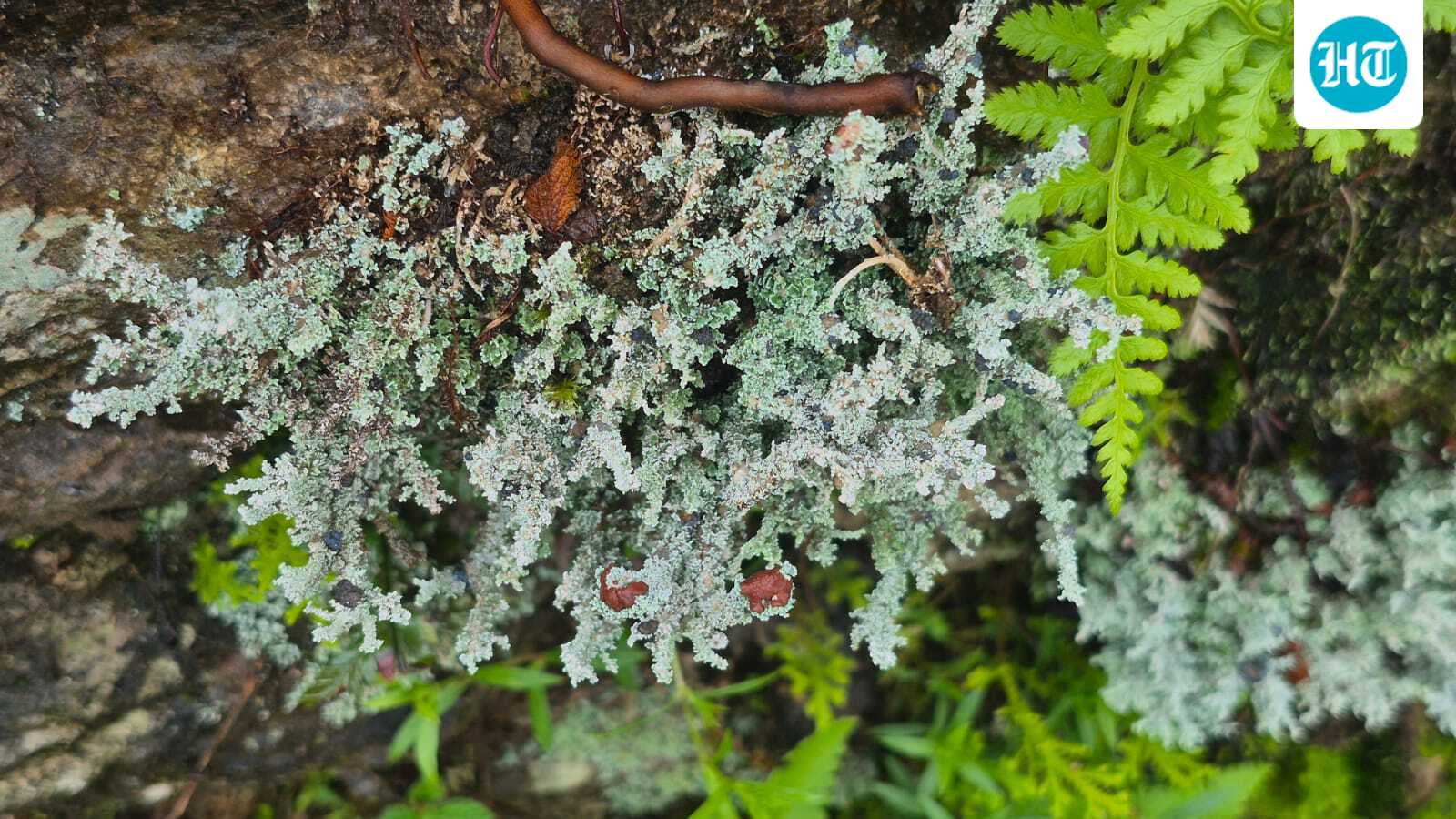
The Uttarakhand forest department has launched India's first dedicated gardens for lichen and gymnosperms, hosting 135 species. These initiatives aim to preserve ancient flora that are vital to Himalayan forest resilience and ecosystem health.
Pioneering Botanical Conservation in the Himalayas
In a landmark development for Indian botany, the Uttarakhand forest department has successfully established the nation's first dedicated gardens for lichen and gymnosperms. By curating a collection of 135 species across these two diverse groups, the initiative represents a significant leap in the ex-situ conservation of ancient plant life. These gardens serve as a living laboratory, offering researchers and the public alike a rare opportunity to study organisms that have survived for hundreds of millions of years.
The Ancient Origins of Lichen and Gymnosperms
To understand the significance of this project, one must look at the deep evolutionary timeline of these species. Lichen, a unique symbiotic organism formed by a fungus living alongside algae or cyanobacteria, holds a fossil record stretching back at least 400 million years. Similarly, gymnosperms—a group whose name translates to "naked seed"—predate the evolution of flowering plants by over 150 million years. These organisms reflect a prehistoric era of Earth’s history, providing a biological link to a time long before fruits and flowers dominated the landscape.
Ecological Significance in Mountain Ecosystems
Beyond their historical value, these species are cornerstones of the Himalayan forest ecosystem. Gymnosperms and lichens play critical roles in maintaining soil health, facilitating nutrient and water cycles, and anchoring the food chain. In the fragile mountain topography of Uttarakhand, these plants act as natural stabilizers, increasing the resilience of forests against environmental stressors. Their presence is a primary indicator of ecological health, making their preservation a strategic priority for regional forest management.
Implications for Biodiversity and Research
By consolidating 135 species into dedicated spaces, the Uttarakhand forest department is effectively creating a safeguard against the loss of specialized flora. The isolation and cultivation of these species allow for controlled study of how they adapt to changing climatic conditions. This effort is particularly relevant as global temperatures rise, threatening the high-altitude habitats where these ancient plant groups often thrive.
Future Trends in Conservation
This project sets a new precedent for botanical conservation in India, moving beyond general forest protection to the targeted preservation of specific evolutionary lineages. Future trends will likely see an increase in similar specialized gardens across other Indian states, as the success of this model highlights the necessity of protecting "primitive" flora. As these gardens mature, they will likely become hubs for educational outreach, helping to foster a deeper public understanding of the evolutionary history that sustains our modern forests.
Conclusion
The establishment of these gardens is more than a horticultural achievement; it is a commitment to preserving the biological foundations of our planet. By recognizing the intrinsic value of organisms that have survived for hundreds of millions of years, the Uttarakhand forest department has ensured that these essential components of the forest cycle remain a part of India's natural heritage for generations to come.
Verification Required?