3 Killed, 2 Injured As Car Falls Into Gorge In Himachal Pradesh
Source Entity
NDTV News Search Records Found 1000
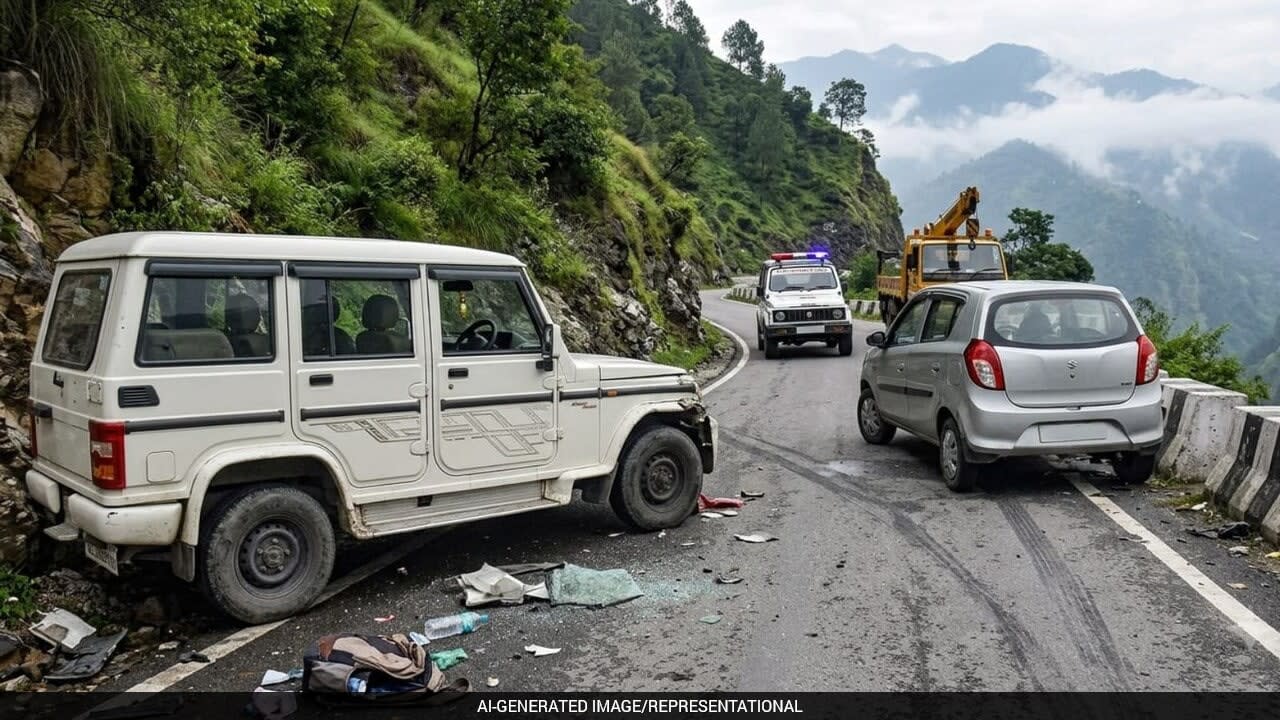
A passenger bus fell into a 100-meter ravine in Uttarakhand's Tehri district, resulting in six confirmed fatalities and twenty injuries. Emergency response teams, including the SDRF, are currently managing rescue and medical transport operations.
Tragedy in Tehri: A Deep Dive into the Uttarakhand Bus Accident
The Incident Overview
In a devastating turn of events, a passenger bus carrying approximately 30 to 35 individuals plunged into a ravine near Gular Bazar in the Tehri district of Uttarakhand. The vehicle plummeted nearly 100 meters below a bridge, leading to a complex rescue operation. As of the latest reports, six individuals have tragically lost their lives, while approximately 20 others have sustained injuries. The rapid intervention of the State Disaster Response Force (SDRF) from Byasi and Dhalwala was critical in mitigating further loss of life.
Immediate Emergency Response
Following the notification of the accident, local authorities mobilized swiftly. District Magistrate Nitika Khandelwal and Senior Superintendent of Police Shweta Choubey were dispatched to the site to oversee the coordination of rescue efforts. The primary focus of the operation involved extracting passengers from the wreckage and ensuring the immediate transfer of the 20 injured victims to nearby medical facilities via ambulance. The rugged terrain of the ravine necessitated specialized equipment and training, provided by the SDRF, to navigate the 100-meter drop.
Geographic and Infrastructure Challenges
Uttarakhand’s topography, characterized by steep mountain passes and narrow, winding roads, frequently presents significant challenges for vehicular transit. The Tehri district, known for its challenging mountainous landscape, requires high levels of caution from drivers. Accidents of this nature often highlight the inherent risks of navigating deep gorges and ravines, where even minor mechanical failures or human errors can lead to catastrophic consequences. The proximity of the accident to a bridge underscores the vulnerability of transit infrastructure in high-altitude regions.
Broader Implications for Road Safety
While this incident is a localized tragedy, it serves as a stark reminder of the ongoing road safety concerns in mountainous states. Authorities have initiated investigations to determine the precise cause of the crash. Such investigations are vital, not only for accountability but for identifying systemic infrastructure improvements—such as better guardrails, warning signage, or road widening—that could prevent future occurrences. The combination of high passenger volume and difficult terrain necessitates a continuous review of transport safety protocols.
Future Trends and Preventative Measures
Moving forward, the focus will likely shift from emergency response to forensic investigation and policy review. The state government and transit authorities face the persistent challenge of balancing the necessity of connectivity in remote districts with the physical limitations of the Himalayan environment. Future infrastructure planning in Uttarakhand must prioritize safety engineering to better withstand the unique stresses of the region's geography. Ultimately, the goal remains to ensure that the vital transport links that connect these communities do not come at the cost of human life.
Multiple Citing Sources
Verification Required?