The Vaibhav Sooryavanshi experiment enters a new phase: Can leadership make Indian cricket's wonderkid even better?
Source Entity
Latest News: Todays Latest News Headlines from India & World | Hindustan Times | Hindustan Times
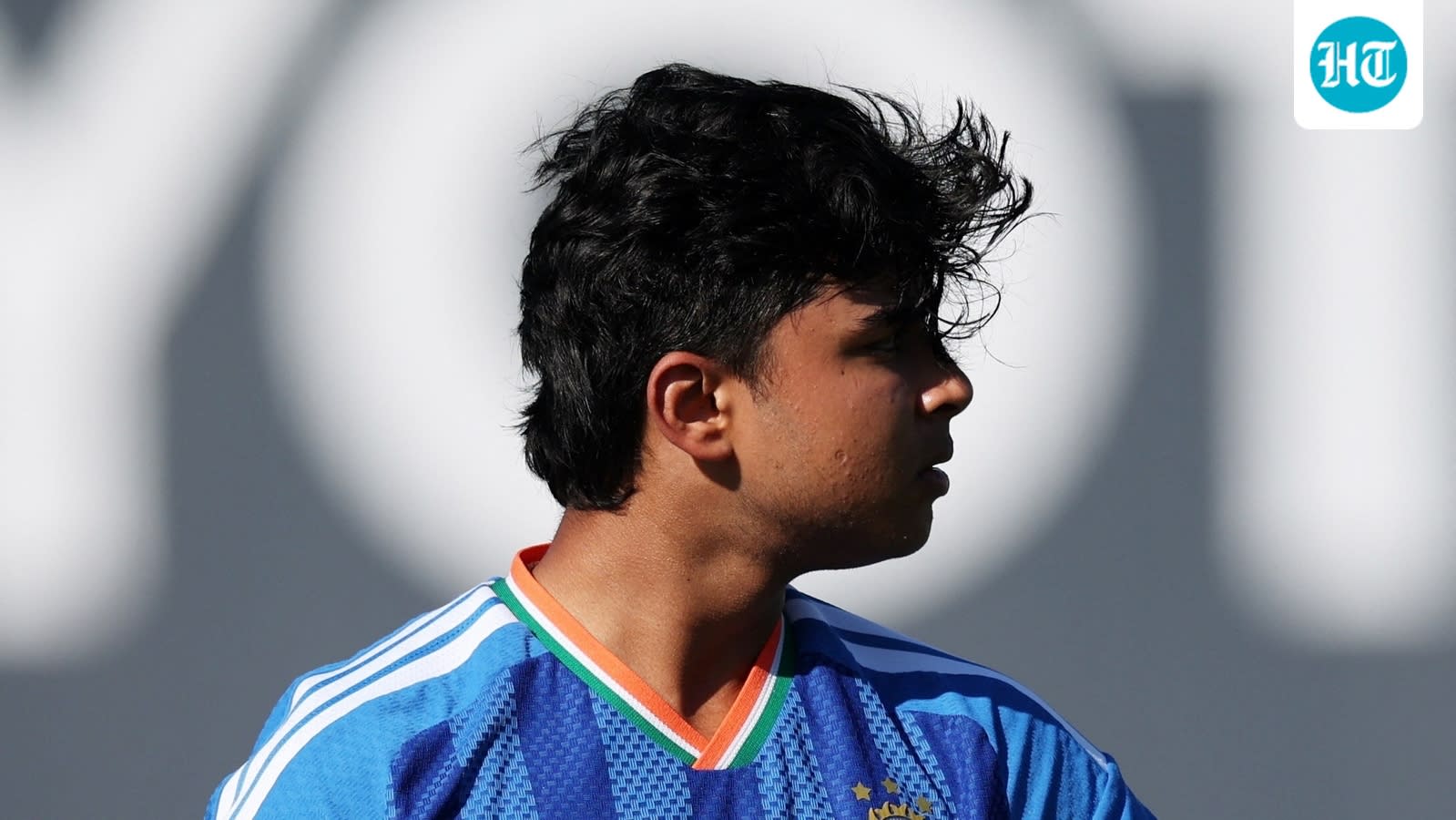
Fifteen-year-old Vaibhav Sooryavanshi has been appointed vice-captain of the East Zone squad for the Duleep Trophy. Selectors aim to accelerate his leadership development by pairing him with captain Ishan Kishan, despite his limited first-class experience.
The Rise of a Prodigy: Analyzing the Sooryavanshi Appointment
The Indian cricketing landscape is witnessing a bold experiment with the appointment of fifteen-year-old Vaibhav Sooryavanshi as the vice-captain of the East Zone squad for the upcoming Duleep Trophy. While conventional wisdom in domestic cricket often prioritizes seniority and tenure, the selectors have opted for a forward-looking approach, signaling a clear intent to fast-track the development of one of the country's most promising young talents. This decision represents a departure from traditional hierarchy, placing a teenager in a leadership position alongside seasoned international cricketers like Mohammed Shami and Mukesh Kumar.
Strategic Mentorship and Leadership Development
By appointing Ishan Kishan as the captain, the East Zone selectors have created a strategic safety net for Sooryavanshi. The presence of a captain with significant international experience allows the young prodigy to shadow a leader and understand the nuances of match management without being burdened by the primary responsibility of captaincy. According to selector Pravanjan Mullick, this move is a deliberate investment in Sooryavanshi's future, with the board openly acknowledging the potential for him to lead the national team in the years to come.
Breaking the Conventional Mold
Sooryavanshi’s rapid ascent is underscored by his unconventional path to the vice-captaincy. Having played only eight first-class matches, his selection is based on his strong IPL performances and prior leadership experience, rather than a lengthy domestic resume. This decision has sparked debate regarding whether such early exposure to responsibility will act as a catalyst for his growth or introduce unnecessary pressure. However, the selectors appear convinced that his temperament and technical prowess warrant this early immersion into leadership roles.
The Broader Implications for Indian Cricket
This appointment highlights a shift in how the Board of Control for Cricket in India (BCCI) and regional selectors identify and nurture future talent. By exposing young players to the leadership dynamics of senior domestic tournaments like the Duleep Trophy, the selectors are attempting to build a pipeline of "cricket-smart" players who are comfortable in high-pressure roles from a young age. This move reflects a broader trend of prioritizing potential and tactical intelligence over age-based hierarchies.
Evaluating the Risks and Rewards
While the upside of this experiment is the accelerated maturation of a potential future captain, the risks are equally apparent. Navigating a dressing room filled with senior players and international stars requires a level of maturity that is rarely expected of a fifteen-year-old. The success of this experiment will depend heavily on the environment provided by the team management and the support he receives from senior teammates like Abhimanyu Easwaran and Mohammed Shami. If successful, this could become a blueprint for grooming future leaders in Indian cricket.
Conclusion
The East Zone's decision to name Vaibhav Sooryavanshi as vice-captain is a bold, calculated risk that underscores the high esteem in which he is held. By prioritizing his long-term trajectory over established domestic norms, the selectors are making a clear statement about their faith in his capabilities. As the Duleep Trophy approaches, all eyes will be on how the teenager balances his personal performance with the demands of a leadership role, marking a significant milestone in his burgeoning career.
Verification Required?