Analysis: War For Votes Over Vande Mataram
Source Entity
NDTV News Search Records Found 1000
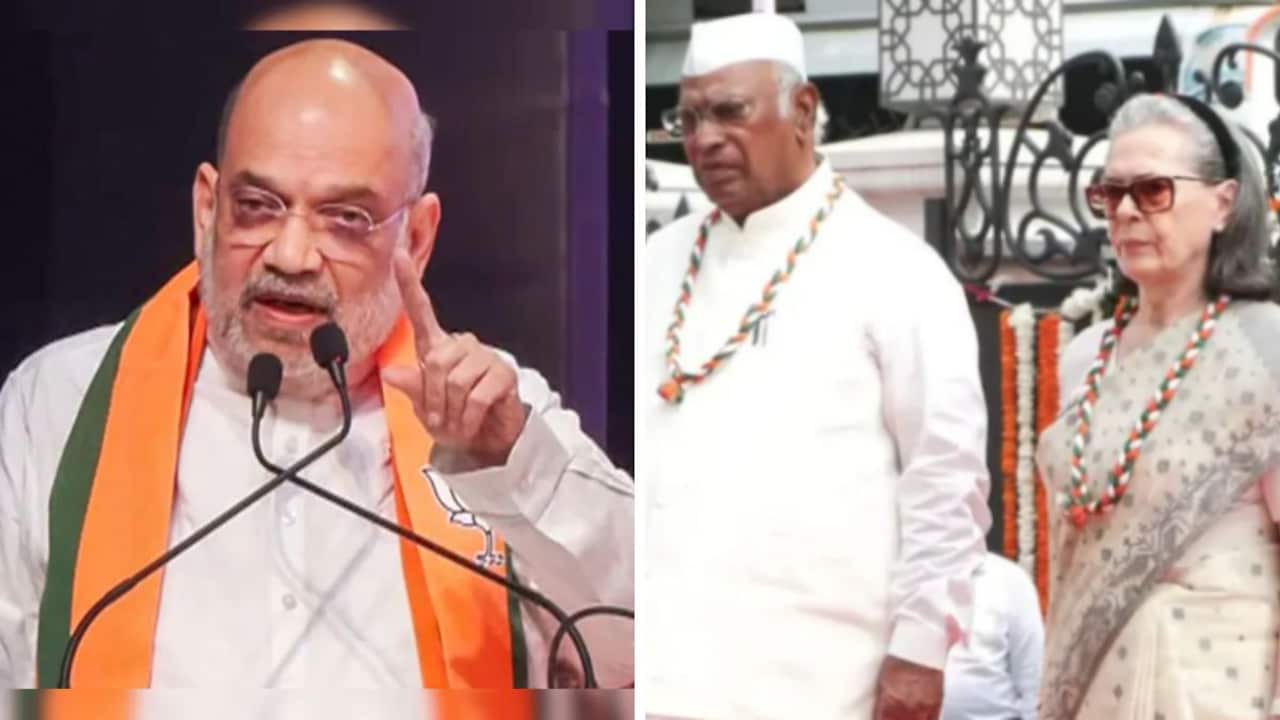
BJP leaders, including CM Pushkar Singh Dhami and Home Minister Amit Shah, have condemned the Congress Working Committee's decision to sing only the first two stanzas of Vande Mataram. The move has sparked internal debate within the Congress party regarding political optics and legal interpretations.
The Vande Mataram Controversy: A Clash of Ideologies
The recent decision by the Congress Working Committee (CWC) to limit the rendition of Vande Mataram to its first two stanzas has ignited a fierce political firestorm. This decision, which draws on historical precedents dating back to 1937, has been met with sharp rebukes from top Bharatiya Janata Party (BJP) leadership, who view the move as an affront to national sentiment and the historical sacrifices associated with India's struggle for independence.
The BJP’s Critique: Nationalism vs. Appeasement
Union Home Minister Amit Shah and Uttarakhand Chief Minister Pushkar Singh Dhami have framed the Congress's decision as a manifestation of "vote-bank appeasement." By characterizing the move as "anti-national," the BJP leadership is leveraging the symbolic weight of Vande Mataram, which they argue is not merely a song but a foundational expression of patriotism. According to the BJP, this policy represents a continuation of historical divisions that they claim the Congress has historically fostered for political gain.
Historical Context and Legal Interpretations
The roots of this controversy extend back to 1937, when the Congress party initially grappled with the implications of the full song. Today, the debate has moved into the legal arena. Abhishek Manu Singhvi, heading the Congress's legal wing, noted that he provided counsel regarding the law as it stands. This highlights a critical tension within the opposition: the struggle to balance legal interpretations with the intense, emotive power of national symbols that are central to the Indian political discourse.
Internal Dissent and Political Strategy
Within the Congress party, the decision has created palpable unease. Some members believe the leadership failed to handle the issue with sufficient nuance, effectively playing into the BJP's ideological strengths. This internal friction is underscored by the fact that several Congress-ruled states, including Himachal Pradesh, Karnataka, and Telangana, recently performed the full rendition of the song during Independence Day celebrations, creating a contradictory image for the party nationally.
Broader Implications for National Discourse
This episode underscores the persistent role of cultural nationalism in Indian electoral politics. For the BJP, the Vande Mataram issue serves as a tool to consolidate its ideological base by contrasting its stance against the perceived secular-liberal approach of the Congress. For the Congress, the incident illustrates the ongoing challenge of navigating cultural symbols while attempting to maintain a diverse coalition of voters.
Future Trends in Identity Politics
Moving forward, it is likely that such symbolic debates will continue to dominate the political landscape. As parties sharpen their narratives for upcoming electoral cycles, the usage of national anthems and songs will remain a flashpoint. The ability of the Congress to reconcile its internal legal and ideological perspectives will be a key determinant of whether this issue remains a peripheral concern or evolves into a significant electoral liability.
Multiple Citing Sources
Verification Required?