Bill criminalising insult to Vande Mataram introduced in House
Source Entity
Nikhil Ghanekar, Asad Rehman, Anonna Dutt
The government has introduced a bill to criminalize insults to the national song 'Vande Mataram' during a volatile Monsoon Session. While the bill seeks to provide statutory protection, historical data suggests challenges in enforcement and low conviction rates.
Legislative Push for National Honour
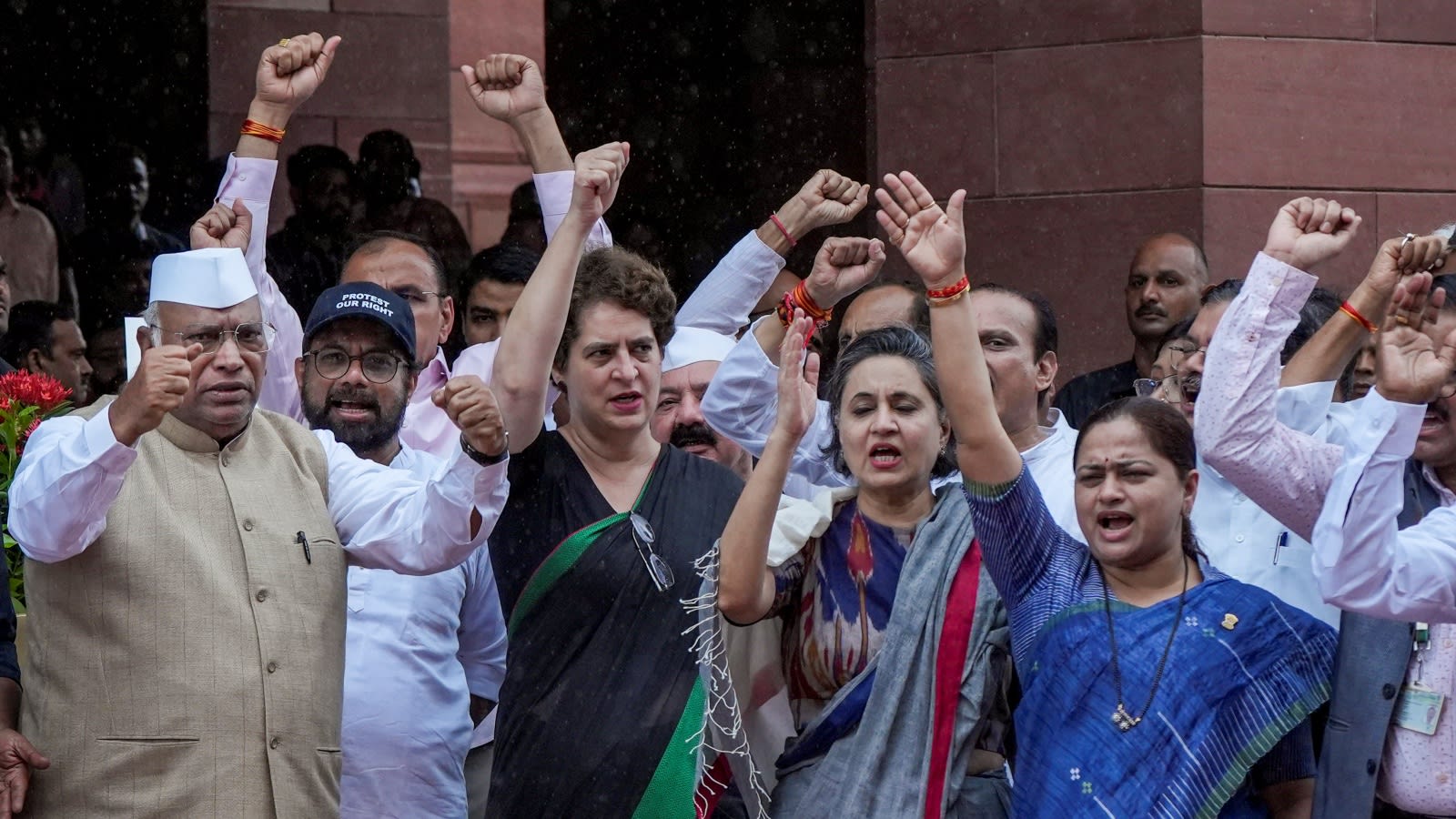
The Monsoon Session of the Indian Parliament has been marked by significant legislative action amidst a backdrop of intense political friction. Amidst the persistent demands from Opposition leaders, including Mallikarjun Kharge, Priyanka Gandhi, and Sagarika Ghose, for the resignation of Union Education Minister Dharmendra Pradhan over recent paper leak controversies, the government successfully introduced 'The Prevention of Insults to National Honour (Amendment) Bill, 2026' in the Rajya Sabha. This move represents a strategic effort to expand the scope of existing legislation regarding national symbols.
Expanding Statutory Protection
The proposed amendment seeks to update the Prevention of Insults to National Honour Act, 1971. Currently, the law provides specific protections against the desecration of the National Flag and the National Anthem, 'Jana Gana Mana'. By incorporating 'Vande Mataram' into this legal framework, the government aims to grant the national song equivalent statutory status. Under the new provisions, any act deemed an insult to the song would become a criminal offence, carrying a potential sentence of up to five years in prison.
The Context of Parliamentary Unrest
The introduction of this bill occurred during a period of legislative paralysis, as the first week of the Monsoon Session ended in a near-total washout. The Opposition’s focus on the education sector's integrity has created a highly charged atmosphere. The contrast between the government’s push for nationalist legislative reform and the Opposition's focus on governance failures highlights the deep ideological and political divide currently defining the parliamentary agenda.
Analysis of Enforcement and Historical Data
Despite the legislative intent to safeguard national symbols, an analysis of National Crime Records Bureau (NCRB) data reveals a complex reality. Since 2014, while there have been 1,102 arrests related to the Prevention of Insults to National Honour Act, only 60 convictions have been recorded. This discrepancy suggests that while the state is proactive in registration and arrest, the judicial process faces significant challenges in securing final judgments, leading to a mounting backlog of pending cases.
Broader Implications and Future Trends
Moving forward, the implementation of this amendment will likely be scrutinized not only for its impact on national discourse but also for its practical efficacy. Legal experts and civil society will likely watch to see if the expansion of the 1971 Act leads to a surge in litigation. As the government continues to emphasize the sanctity of national symbols, the challenge remains in balancing the legal protection of these sentiments with the administrative realities of the Indian criminal justice system, which currently struggles with low conviction rates for such offenses.
Conclusion
In summary, the introduction of the amendment to the 1971 Act serves as a focal point for the current parliamentary session, reflecting both the government’s nationalist policy objectives and the ongoing struggle for legislative space amidst intense political confrontation. While the bill aims to bolster the status of 'Vande Mataram', its long-term success will depend on how the judiciary interprets these new criminal provisions in an environment where enforcement of existing laws has historically proven difficult.