Varma cash probe report to be tabled in LS today
Source Entity
TNN
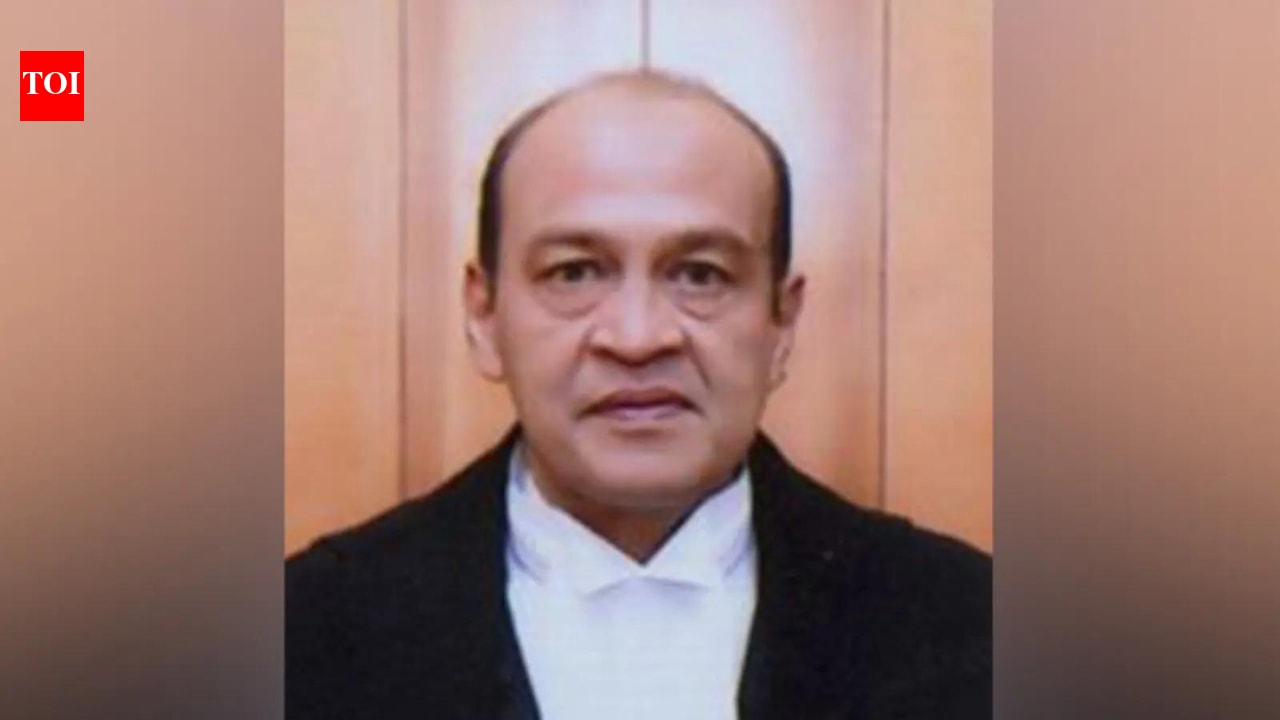
A formal inquiry report regarding financial irregularities involving Allahabad HC Judge Yashwant Varma is set to be tabled in the Lok Sabha. The investigation follows the discovery of unaccounted, partially-burnt cash at his residence during a March 2025 fire incident.
The Varma Inquiry: Accountability in the Judiciary
The Catalyst: A Fire and a Discovery
In March 2025, an unexpected fire incident at the outhouse of Allahabad High Court Judge Yashwant Varma’s residence led to the discovery of a large amount of unaccounted, partially-burnt cash. This event served as the primary trigger for a high-level investigation, thrusting the judiciary into a rare public spotlight regarding the personal financial conduct of its members. The presence of significant, unexplained currency in a residential outhouse immediately raised alarms about potential financial irregularities, prompting the initiation of a formal probe under the established legal framework.
The Legislative Process: Judges (Inquiry) Act
Following the discovery, an inquiry committee was constituted under the provisions of the Judges (Inquiry) Act. This Act is the critical legislative mechanism designed to maintain the integrity of the Indian judicial system by providing a structured pathway for investigating allegations of misbehavior or incapacity against judges of the High Courts and the Supreme Court. The tabling of this report in the Lok Sabha represents the culmination of a rigorous procedural process, ensuring that the findings are brought before the highest legislative body for transparency.
Parliamentary Transparency and Oversight
On Wednesday, the Secretary General of the Lok Sabha, Utpal Singh, is scheduled to table two comprehensive volumes of the committee's report. This inclusion in the Lok Sabha’s list of business underscores the gravity of the situation. By submitting not only the final findings but also the oral and documentary evidence recorded during the probe, the committee aims to provide a complete evidentiary record. This allows for parliamentary scrutiny, which is a cornerstone of democratic accountability, even when dealing with the traditionally autonomous judicial branch.
Broader Implications for Judicial Ethics
This development carries significant weight for the Indian legal system. The public nature of the allegations and the subsequent parliamentary inquiry highlight the evolving expectations regarding the accountability of public officials. When high-ranking judicial officers are subjected to such inquiries, it serves as a critical test for the institutional mechanisms designed to safeguard judicial independence while simultaneously ensuring that the judiciary is not above the law.
Future Trends and Judicial Integrity
Looking ahead, the tabling of this report in the Lok Sabha will likely set a precedent for how similar cases of alleged financial impropriety are handled in the future. The outcome of this inquiry will not only impact the career of the individual judge in question but will also influence public trust in the judicial system. As the report enters the public record, it will undoubtedly spark debate on the need for more robust internal oversight mechanisms within the judiciary to prevent similar controversies from compromising the institution's standing in the future.