Venezuela’s interim government and opposition to begin formal talks
Source Entity
Tiago Rogero South America correspondent
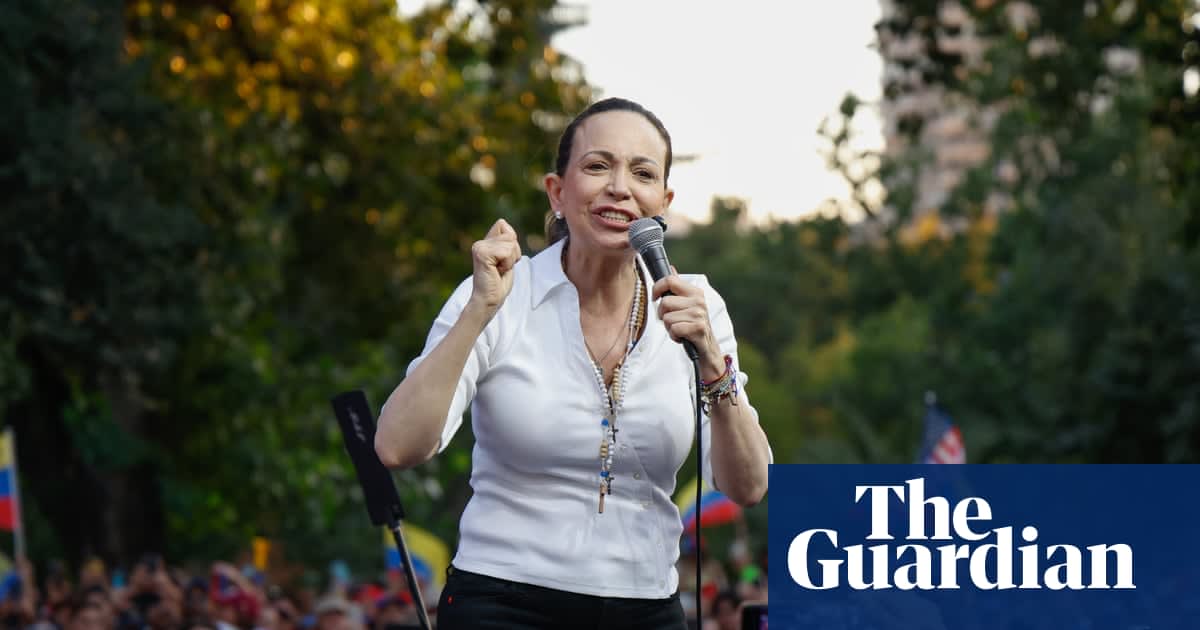
Venezuela's interim government and opposition have announced formal negotiations to strengthen democracy and facilitate a democratic transition. The talks, which are supported by the United States, come at a critical time as the nation recovers from devastating twin earthquakes that claimed over 4,700 lives. Notably, Nobel laureate María Corina Machado will not lead these negotiations.
A Pivotal Moment for Venezuelan Governance
The announcement that Venezuela’s interim government and the political opposition are entering formal negotiations marks a critical juncture in the nation's ongoing struggle for political stability. These talks, aimed at "strengthening democracy," represent a strategic attempt to resolve the long-standing deadlock over governance and electoral legitimacy. By initiating a formal dialogue, the opposing factions are signaling a potential willingness to move beyond rhetoric toward a structured transition, though the stakes remain incredibly high given the country's volatile history.
The Geopolitical Influence of the United States
Central to this diplomatic push is the explicit backing of the United States, which has framed its support around the goal of a "democratic transition." The U.S. has historically used a combination of sanctions and diplomatic pressure to influence the Venezuelan political landscape. In this instance, the American endorsement suggests that the talks are not merely local skirmishes but are part of a broader international effort to stabilize the region. The U.S. likely views a successful transition as a means to ensure regional security and restore economic predictability in a nation rich in resources but crippled by mismanagement.
The Humanitarian Catalyst: The Twin Earthquakes
Adding a layer of extreme urgency to these political talks is the recent humanitarian catastrophe caused by twin earthquakes. With more than 4,700 deaths and widespread destruction, the Venezuelan state is in a position of profound vulnerability. Historically, natural disasters can act as catalysts for political change; the failure of a government to provide adequate relief can lead to civil unrest, while the shared trauma of a disaster can sometimes force rivals to the negotiating table. The necessity of coordinating massive reconstruction efforts likely makes the current political fragmentation untenable, pushing the interim government and opposition toward a functional compromise.
The Strategic Absence of María Corina Machado
One of the most surprising elements of this development is that Nobel laureate María Corina Machado will not be leading the negotiations. Given her prominence and stature as a symbol of resistance, expectations were high that she would be the primary architect of the new electoral framework. Her absence from the lead role could be interpreted in several ways: it may be a tactical move to reduce friction with the interim government, or it may suggest a shift in the opposition's internal hierarchy. Regardless, her role remains influential, but the decision to appoint other negotiators may be an attempt to make the talks more pragmatic and less personality-driven.
Historical Context and Future Implications
Venezuela has spent years trapped in a cycle of contested elections and parallel governments. The transition from an interim administration to a fully recognized, democratically elected government is a path fraught with pitfalls. If these talks succeed, they could provide a roadmap for free and fair elections that are recognized both domestically and internationally. However, the road to a "democratic transition" is rarely linear. The primary challenge will be ensuring that the agreements reached in these formal talks are actually implemented on the ground, especially amidst the chaos of post-earthquake recovery.
Conclusion: A Fragile Path Forward
In summary, the formal talks between Venezuela's interim government and the opposition represent a high-stakes gamble on diplomacy. Driven by the pressures of a humanitarian crisis and supported by the geopolitical weight of the United States, the initiative seeks to replace instability with a democratic framework. While the exclusion of María Corina Machado from the leadership of the talks introduces an element of uncertainty, the overarching goal of national recovery—both political and physical—remains the primary driver. The success of these negotiations will ultimately determine whether Venezuela can emerge from its current ruins as a stable democracy.