How video game remakes tap the power of nostalgia
Source Entity
BBC News
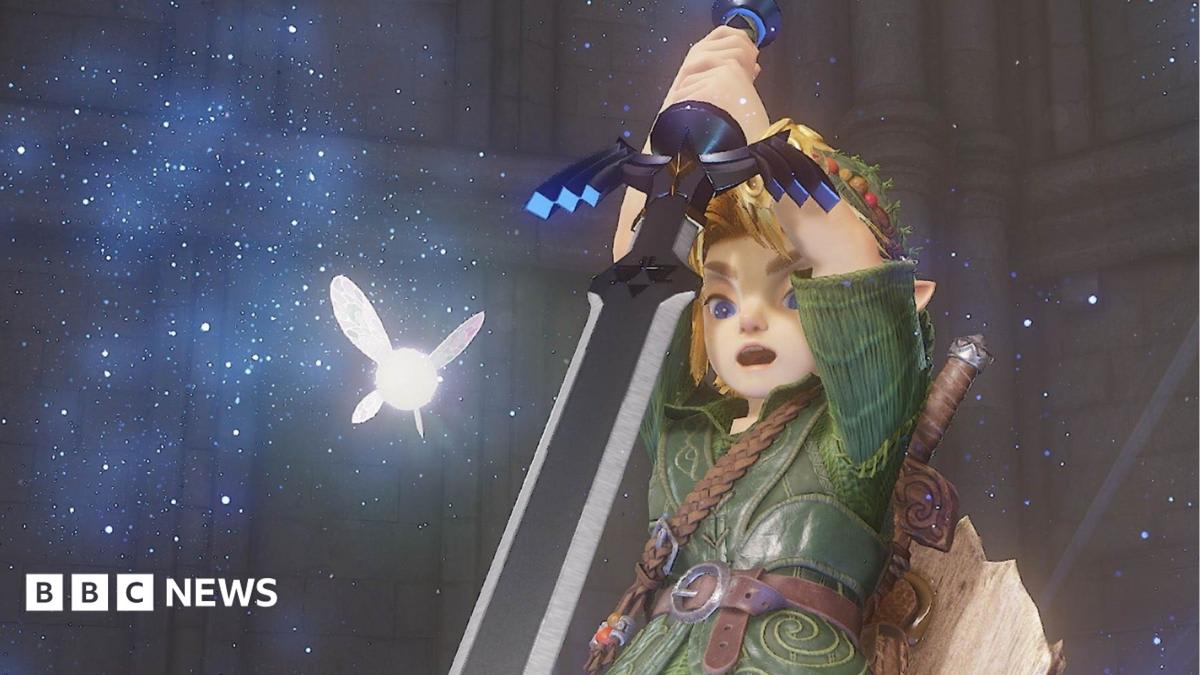
Video game remakes leverage the psychological power of nostalgia to bridge generational gaps while utilizing modern hardware to enhance classic titles. While these projects offer emotional resonance, developers face significant challenges in balancing modernization with the high expectations of protective fan bases.
The Resurgence of Classic Gaming: A Nostalgia-Driven Market
Video games occupy a unique space in digital media, serving as powerful vessels for nostalgia. As noted by experts like Rowan University esports instructor Doran, titles such as the 1998 classic Ocarina of Time possess a "magical" quality that resonates across decades. This emotional connection is the primary engine driving the industry's sustained interest in remaking iconic titles, allowing older players to revisit foundational experiences while simultaneously introducing these worlds to new generations.
The Technological Catalyst for Remakes
The persistence of franchises like Mario Kart, Final Fantasy, and Pac-Man is not merely a result of brand recognition but is intrinsically linked to the rapid advancement of computer hardware. As technology evolves, developers gain the ability to render more detailed graphics and build increasingly expansive game worlds. This intersection of nostalgia and technical capability allows developers to realize the original vision of older titles with a fidelity that was previously constrained by the limitations of 1990s and early 2000s hardware.
Generational Bridging and Cultural Legacy
Remakes serve a vital role in cultural preservation within the gaming industry. By updating these titles, older players—like those who grew up with the N64 era—are provided with a bridge to share their formative gaming experiences with younger family members. This shared experience fosters a multi-generational appreciation for gaming history, transforming individual childhood memories into enduring cultural touchstones that continue to evolve rather than fade into obscurity.
The Double-Edged Sword of Modernization
Despite the commercial success of remakes, the process is inherently risky. The gaming community is notoriously protective of its favorite titles, often holding deep-seated attachments to the original mechanics, aesthetic choices, and pacing of classic games. When developers alter these elements to meet modern standards, they risk alienating purists who view any change as a degradation of the "magical" quality that defined the original experience.
Future Trends and Industry Implications
Looking ahead, the industry will likely continue to lean on its back catalog as a primary content strategy. The balance between maintaining the core spirit of a game and implementing modern quality-of-life improvements will remain the central tension for developers. As hardware continues to improve, the expectation for remakes to not just look better, but to feel more immersive, will increase, forcing studios to navigate the delicate line between innovation and preservation.
Conclusion
In summary, the power of nostalgia is a potent tool that, when wielded correctly, creates a win-win scenario for both developers and players. By transforming the "magical" memories of the past into the high-fidelity experiences of the present, the video game industry ensures the longevity of its most celebrated intellectual properties while securing its relevance for future audiences.