'It's very scary': Vidya Malavade condemns Sonam Wangchuk's removal, backs students amid Jantar Mantar protests
Source Entity
Latest News: Today's Latest News Headlines from India & World | Hindustan Times | Hindustan Times
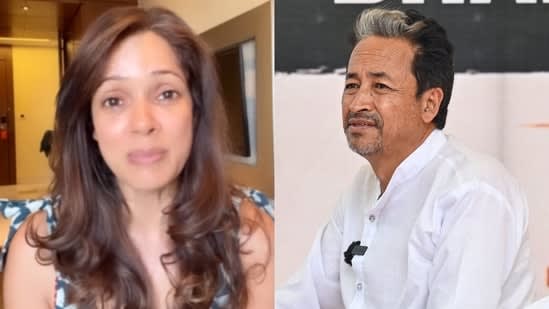
Actor Vidya Malavade has condemned the removal of activist Sonam Wangchuk from his hunger strike at Jantar Mantar, describing the incident as heart-breaking. She further urged the government to hold meaningful dialogues with students protesting NEET-UG examination irregularities.
Art and Activism: Vidya Malavade's Stand on Civil Liberties
In a significant intersection of the entertainment industry and social activism, actor Vidya Malavade, recognized for her roles in Chak De! India and Mismatched, has publicly voiced her support for education reformer Sonam Wangchuk. This intervention comes at a critical juncture as Wangchuk's indefinite hunger strike at Delhi's Jantar Mantar—a symbolic site for democratic protest in India—faced a sudden disruption. Malavade's reaction highlights a growing trend of public figures utilizing their social media reach to amplify the concerns of grassroots activists and students facing systemic challenges.
The Removal of Sonam Wangchuk and State Response
The core of the controversy lies in the reported removal of Sonam Wangchuk from the protest site and his subsequent transfer to Safdarjung Hospital. Vidya Malavade described this treatment as "scary" and "heart-breaking," reflecting a deep concern over the methods used to manage peaceful dissent. The transition from a voluntary hunger strike to a forced hospitalization often sparks intense debate regarding the balance between state-mandated health interventions and the individual's right to protest. By labeling the event as disturbing, Malavade brings attention to the psychological and physical toll such removals take on activists and their supporters.
Addressing the NEET-UG Examination Crisis
Beyond her support for Wangchuk, Malavade has expanded her advocacy to include the thousands of students protesting alleged irregularities in the NEET-UG examinations. The actor explicitly urged the government to engage in a "meaningful dialogue" with these students, asserting that they deserve justice. The NEET-UG controversy has become a flashpoint for frustration among India's youth, who view examination integrity as the sole gateway to their professional futures. Malavade's call for dialogue emphasizes that administrative silence or dismissiveness only exacerbates the sense of injustice felt by the student community.
The Role of Digital Advocacy
Malavade utilized Instagram to share a video expressing her concerns, demonstrating the power of digital platforms in modern political discourse. In an era where traditional news cycles can be fragmented, a celebrity's direct appeal to their followers can rapidly shift the public narrative. By framing the treatment of Wangchuk and the plight of NEET-UG students as a matter of basic justice, Malavade bridges the gap between the glamour of the film industry and the gritty reality of street protests, effectively urging her audience to look beyond the screen and consider the socio-political climate of the country.
Broader Implications for Democratic Dialogue
The convergence of these two issues—the treatment of a high-profile activist and the grievances of medical aspirants—points to a broader tension regarding how the state handles public dissatisfaction. The demand for "meaningful dialogue" is not merely a request for communication but a call for transparency and accountability in governance. When activists are removed and students feel unheard, it creates a perception of a widening gap between the governing bodies and the governed, making the role of neutral, influential voices like Malavade crucial in calling for a return to empathetic governance.
Conclusion: A Call for Justice and Transparency
Ultimately, Vidya Malavade's public stance serves as a reminder that the pursuit of justice in education and the right to peaceful protest are intertwined. Whether it is the removal of Sonam Wangchuk from Jantar Mantar or the irregularities plaguing the NEET-UG exams, the underlying theme is a demand for fairness and systemic integrity. As the situation evolves, the focus remains on whether the government will heed these calls for dialogue or continue a path of administrative enforcement, which may further alienate the youth and the activist community.
Verification Required?