‘Serious repercussions’: Vinod Kapri warned against speaking up over Pyre-Ramayana screen row
Source Entity
Shruti Kapoor
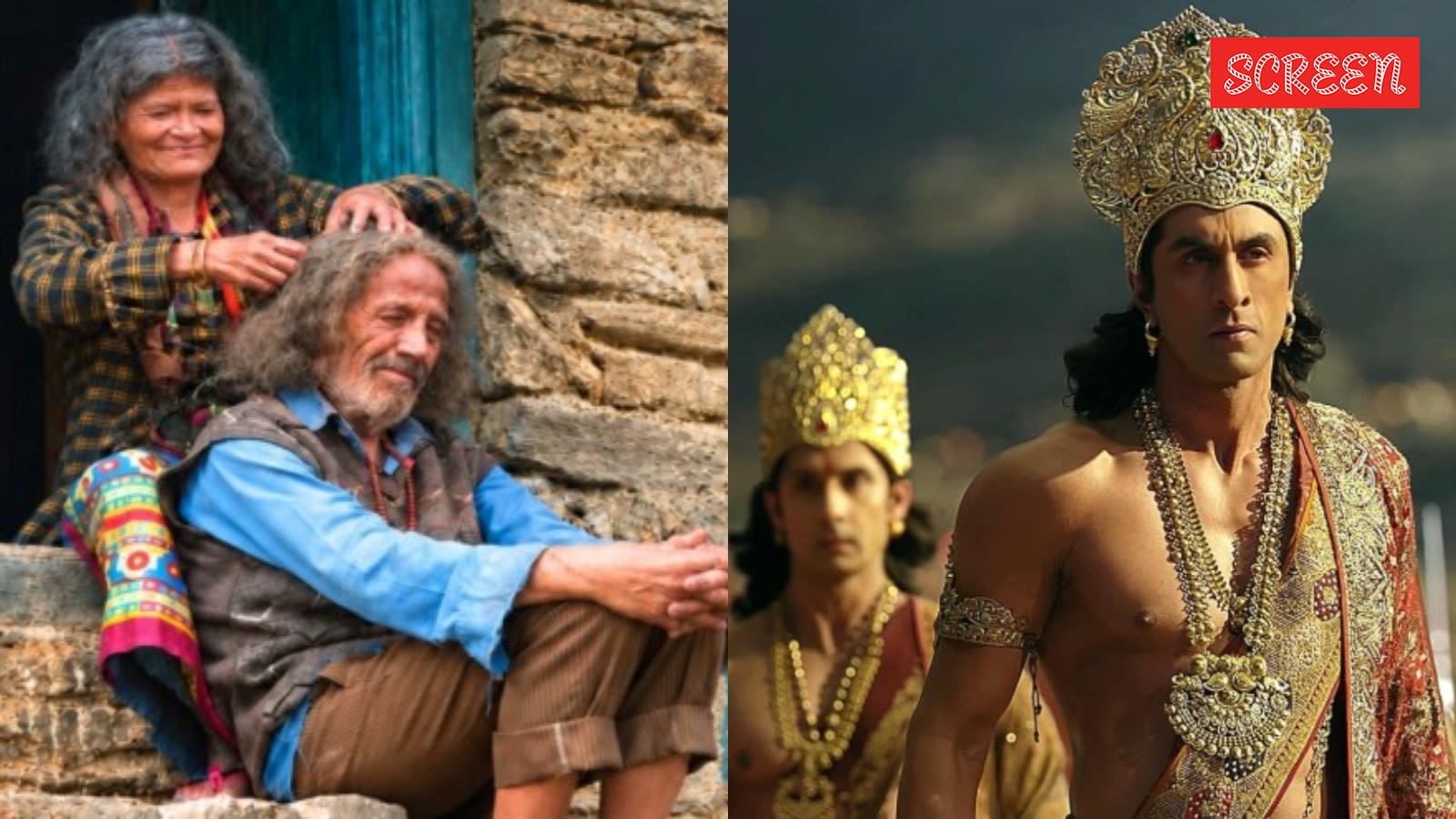
Filmmaker Vinod Kapri has publicly challenged the significant reduction of screenings for his film 'Pyre' following the release of the blockbuster 'Ramayana'. While audience support has helped restore some show counts, the controversy highlights ongoing concerns regarding theater screen allocation for independent cinema.
The Battle for Screen Space: Independent Cinema vs. Blockbusters
The recent controversy involving filmmaker Vinod Kapri and his film Pyre brings to light the perennial struggle faced by independent filmmakers in the Indian exhibition sector. Following the November 5 release of the high-profile Ranbir Kapoor-starrer Ramayana, Kapri reported a drastic reduction in his film's presence, with screen counts plummeting from over 400 to fewer than 100. This incident underscores the systemic vulnerability of smaller, independent projects when competing against major studio tentpoles for limited theatrical real estate.
The Economics of Screen Allocation
In the modern landscape of Indian cinema, screen allocation is often driven by massive pre-release buzz and the perceived commercial viability of star-led vehicles. When a project as significant as Ramayana hits theaters, multiplex chains often prioritize it to maximize occupancy and revenue. For an independent film like Pyre, this shift can be catastrophic. Kapri’s public outcry regarding the 75 percent reduction in shows highlights the lack of transparency in how theaters allocate time slots, leaving independent directors feeling sidelined by major distribution networks.
Audience Advocacy as a Catalyst for Change
Interestingly, the narrative shifted when Kapri took his grievance to the public sphere. By questioning the screen allocation, the filmmaker mobilized support that resulted in the restoration of over 200 shows starting November 13. This suggests that while market forces prioritize blockbusters, audience advocacy remains a potent tool for independent filmmakers. Kapri noted that filmmakers are ultimately at the mercy of theater footfall, but the collective voice of the audience can force distributors to re-evaluate their programming strategies.
The 'Ranbir Kapoor Problem' and Character Immersion
Parallel to the distribution controversy is the critical reception of Ramayana. Critics have noted that Ranbir Kapoor’s transition into the role of Lord Rama serves as a testament to his acting range. Despite initial skepticism surrounding his casting—largely due to his previous portrayals of flawed, complex characters in films like Animal and Rockstar—audiences have responded positively to his ability to vanish into the persona of Maryada Purushottam Rama. This success, however, creates a double-edged sword: the immense cultural weight of such a role ensures high footfall, which inevitably crowds out smaller films.
Regional Disparities and Lingering Issues
Despite the recent restoration of shows, the situation remains incomplete. Kapri highlighted that Pyre still faces a complete absence of screenings in Pithoragarh, the very region where the film originated. This regional exclusion points to a broader issue: even when national distribution is rectified, local nuances and community-specific reach are often neglected by centralized distribution models. The struggle in Pithoragarh serves as a reminder that the 'success' of independent films is often fragmented and geographically uneven.
Future Implications for Indian Cinema
The tension between Pyre and Ramayana is reflective of a wider trend in the film industry where the 'middle ground' of cinema is shrinking. As major studios consolidate control over exhibition, the survival of independent voices will likely depend on a combination of digital distribution, direct audience engagement, and stricter regulatory oversight regarding fair trade practices in cinema exhibition. Moving forward, the industry must find a balance that allows for cultural blockbusters to thrive without stifling the diversity of independent storytelling.