Can no longer accept 'wrong policies': Ex-Rajasthan Minister Vishvendra Singh quits Congress
Source Entity
India Latest News: Top National Headlines Today & Breaking News | The Hindu
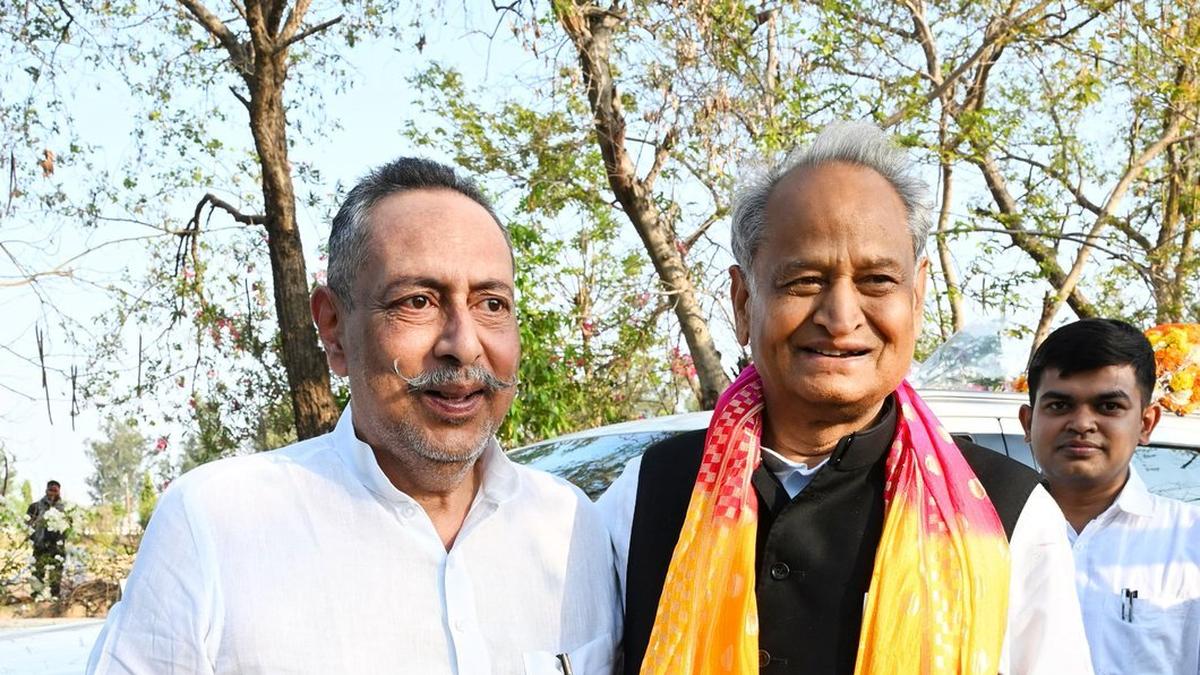
Former Rajasthan minister Vishvendra Singh has resigned from the Congress party, citing internal issues and dissatisfaction with local leadership. He accused party officials of sidelining workers, while state president Govind Singh Dotasra dismissed the claims as BJP-led propaganda.
The Resignation of Vishvendra Singh: A Crisis of Internal Cohesion
Former Rajasthan Cabinet Minister Vishvendra Singh, a prominent figure from the erstwhile Bharatpur royal family, has formally announced his resignation from the Indian National Congress. This development follows a period of mounting tension within the party's state unit, specifically surfacing after the recent urban local body elections. Singh’s departure is framed by his assertion that he can no longer operate within a framework of "wrong policies" and a perceived lack of respect for long-standing party workers.
Roots of the Conflict
The primary catalyst for this public fallout appears to be the management of the recent urban local body elections in Bharatpur and Deeg. Singh has leveled explicit accusations against the state unit president, Govind Singh Dotasra, alleging that the leadership structure has systematically sidelined "actual party workers" in favor of other interests. This grievance suggests a deeper disconnect between the grassroots organizational needs and the strategic decisions made by the state party leadership, a friction point that often precedes significant political realignment.
The Clash of Narratives
Vishvendra Singh’s departure is accompanied by a strong rhetorical stance, stating it is "better to die with self-respect than suffocation." By invoking his "inner voice" and his faith in his "revered Giriraj Maharaj," Singh seeks to frame his exit as a moral imperative rather than a mere political calculation. Conversely, the party leadership, through Govind Singh Dotasra, has attempted to categorize these complaints as "propaganda" orchestrated by the BJP. This binary narrative—internal disillusionment versus external political sabotage—is a common feature in modern Indian political infighting, reflecting the struggle to maintain party unity during electoral setbacks.
Historical Context and Political Weight
As a member of the Bharatpur royal family, Vishvendra Singh brings significant regional influence to the table. His resignation is not merely a personnel change but a potential indicator of shifting loyalties in the Bharatpur region. In the context of Rajasthan's volatile political climate, where the Congress has historically faced challenges in balancing the influence of veteran leaders with the state executive's directives, Singh’s exit highlights the fragility of internal party coalitions when election results fail to meet expectations.
Broader Implications for Rajasthan Congress
The dismissal of these concerns as "BJP toolkit" propaganda by the state president potentially risks alienating other disgruntled cadres who may share Singh’s sentiments regarding local governance. If the party continues to frame internal dissent as external interference, it may find it increasingly difficult to reconcile with key regional stakeholders. The failure to address the core complaints regarding the sidelining of local workers could lead to further erosion of the party’s base in the Bharatpur and Deeg districts.
Future Trends and Outlook
Moving forward, the focus will shift to whether the Congress party can successfully bridge the gap between its leadership and its regional heavyweights, or if this resignation signals the beginning of a larger exodus. Should other leaders echo Singh’s concerns about "petty and so-called leaders" within the organization, the party's ability to maintain a unified front in future electoral cycles will be severely tested. The long-term impact on the regional power dynamic remains uncertain, but the event underscores the critical importance of internal party management in maintaining electoral viability.
Verification Required?