VW Group plans more ‘rugged vehicles’ for US amid sweeping restructure
Source Entity
Yahoo Finance
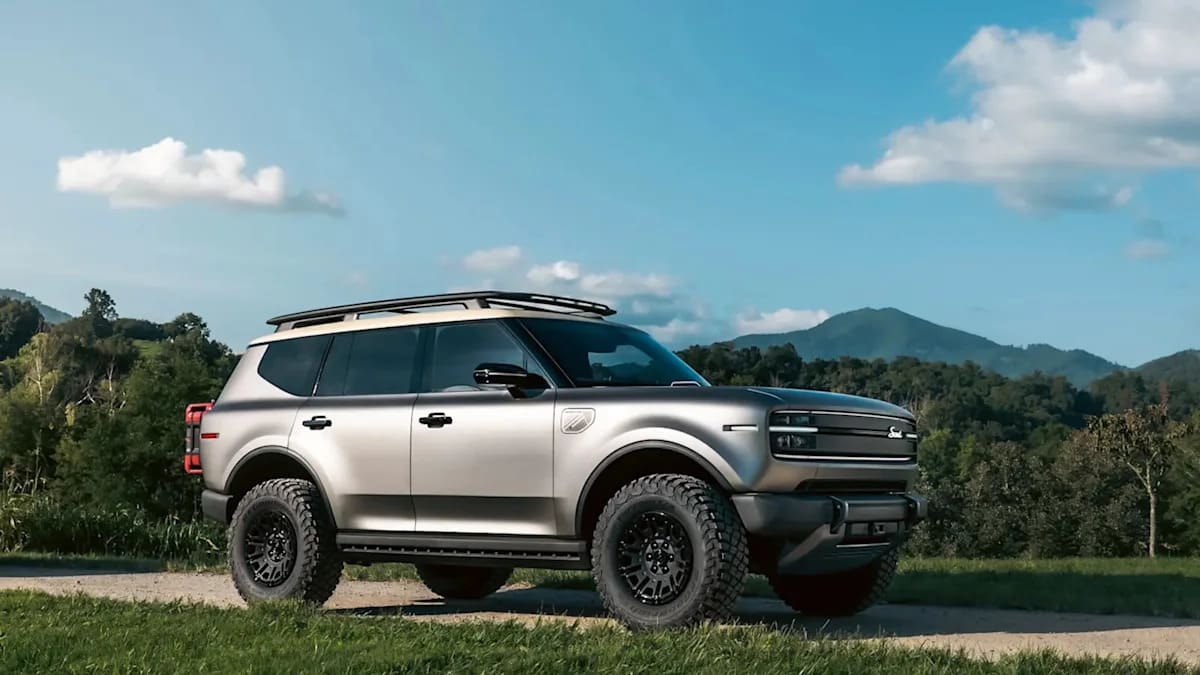
Volkswagen Group is undergoing a massive strategic restructuring to reduce vehicle model counts by 50% by 2035. This initiative aims to increase economies of scale while signaling a pivot toward developing rugged vehicles specifically for the North American market.
Volkswagen Group’s Strategic Overhaul: A Shift Toward Efficiency and Ruggedization
Volkswagen Group has officially announced a sweeping strategic restructuring aimed at fundamentally reshaping its global vehicle portfolio. By concentrating its investment on a smaller, more focused range of models, the automotive giant intends to achieve higher production volumes for individual vehicles. This move is designed to streamline operations, reduce overhead costs, and leverage significant economies of scale that have previously been diluted by a sprawling, overly complex product lineup.
Rationalizing the Portfolio
At the core of this transition is an aggressive plan to reduce the number of models across its ten-strong brand portfolio by approximately 50% by the year 2035. This is not merely a reduction in quantity but a strategic effort to slash product complexity by 75%. By simplifying the manufacturing process and design requirements, Volkswagen aims to foster greater synchronization across its various brands, particularly in the sharing of core technologies such as electronic architectures, software platforms, and driver-assistance systems.
Technological Synergy and Integration
Greater platform sharing is expected to be a primary driver of efficiency in this new era. By standardizing components and software across the Group’s diverse brand ecosystem, Volkswagen can accelerate development cycles and lower the cost of entry for advanced technologies. This integration is vital for competing in a modern automotive market where software-defined vehicles and autonomous safety features are becoming the primary differentiators for consumer preference.
The Pivot to Rugged Vehicles
Perhaps the most significant departure from its current trajectory is the explicit mention of developing specialized, rugged vehicle models. This strategy is being tailored specifically for the North American market, where consumer demand for off-road-capable, durable, and adventure-oriented vehicles has seen consistent growth. By pivoting resources toward this segment, Volkswagen is signaling its intent to capture a larger share of the U.S. market, which has historically been dominated by domestic manufacturers with long-standing reputations for rugged utility.
Future Implications and Market Trends
This restructuring represents a fundamental rethink of how a global conglomerate manages its assets in a high-cost environment. By moving away from hyper-segmentation and toward a more focused, high-volume approach, Volkswagen is positioning itself to be more agile in the face of intense global competition and the ongoing transition to electrification. The success of this plan will likely hinge on the company’s ability to maintain brand identity while utilizing shared modular platforms.
Conclusion
Ultimately, Volkswagen’s strategy is a calculated risk aimed at long-term sustainability. By cutting the 'fat' from its product line and focusing on high-growth segments like rugged, North American-focused vehicles, the company is attempting to align its massive scale with the agility of a leaner manufacturer. If executed correctly, this transition could define the next decade of success for the Volkswagen Group, ensuring its relevance in an evolving global automotive landscape.