Heatwave reveals lost archaeological sites across Wales
Source Entity
BBC News
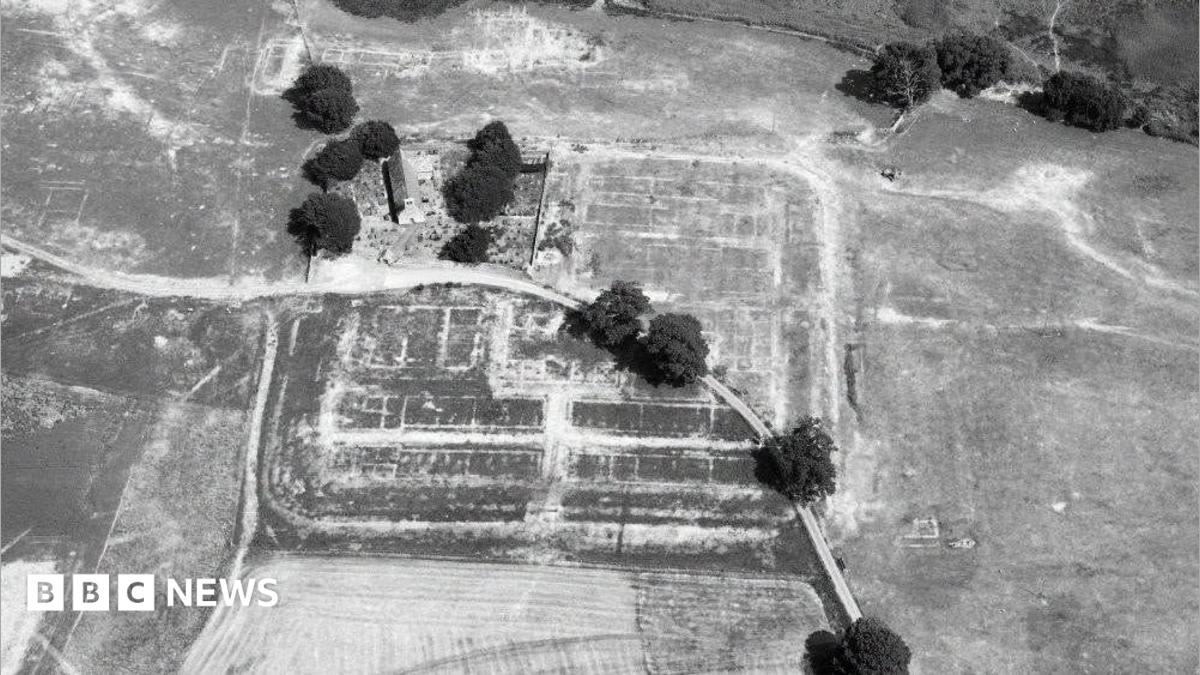
Prolonged drought conditions in Wales have exposed long-hidden archaeological sites, including Roman structures and WWI trenches. The Royal Commission confirms these features are now visible from the air due to unique crop and grass markings.
Unveiling the Past: How Drought Reveals Welsh History
A recent period of extreme weather in Wales has acted as an unlikely catalyst for historical discovery. As temperatures soared and rainfall plummeted—reaching only 5% of the expected average for July—the resulting drought has transformed the Welsh landscape. While the lack of water has posed challenges for agriculture and local ecosystems, it has simultaneously performed a unique service for historians by revealing archaeological sites that have been obscured for decades.
The Science of Crop Marks
Archaeologists often rely on the phenomenon of "crop marks" to identify subsurface remains. When structures like stone walls or defensive trenches are buried beneath the soil, they affect the growth of the vegetation above. In periods of extreme dryness, the grass covering these buried features often withers faster than the surrounding vegetation, creating distinct outlines that are visible from the air. The Royal Commission on the Ancient and Historical Monuments of Wales (RCAHMW) notes that these patterns have brought to light features that have not been observed in over twenty or thirty years.
A Window into Roman and Modern History
Among the sites currently being identified are remnants of Roman buildings and practice trenches dating back to World War One. The Roman presence in Wales, historically characterized by forts and road networks, remains a subject of intense study. Similarly, the WWI trenches provide a physical link to the mobilization efforts of the early 20th century. By mapping these newly visible sites, researchers can better understand the historical density of human activity in the region, filling gaps in the archaeological record that were previously inaccessible.
Climate Patterns and Archaeological Preservation
This phenomenon highlights the intersection of modern climate change and historical preservation. The series of back-to-back heatwaves, coupled with a notably dry spring from April to June, has created the perfect environmental conditions for these discoveries. While these weather patterns are often viewed through the lens of environmental crisis, they offer a rare, fleeting opportunity for experts to document historical landscapes before they are once again hidden by more temperate weather cycles.
Future Implications for Heritage Management
The ability to identify these sites from the air allows the RCAHMW to update their records and implement better protection strategies. As climate change continues to alter weather patterns globally, archaeologists may find themselves relying more heavily on these extreme weather events to conduct non-invasive surveys. This proactive approach ensures that even as the climate shifts, our understanding of the cultural heritage buried beneath the soil remains intact and continues to grow.
Conclusion
The current heatwave in Wales serves as a poignant reminder that history is never truly gone; it is merely waiting for the right conditions to reappear. By leveraging the very weather events that challenge modern infrastructure, researchers are successfully bridging the gap between the ancient past and the present. The discovery of these Roman structures and WWI trenches stands as a testament to the enduring nature of our collective history.