Walmart to finally start accepting Apple Pay and Google Pay
Source Entity
Sarah Perez
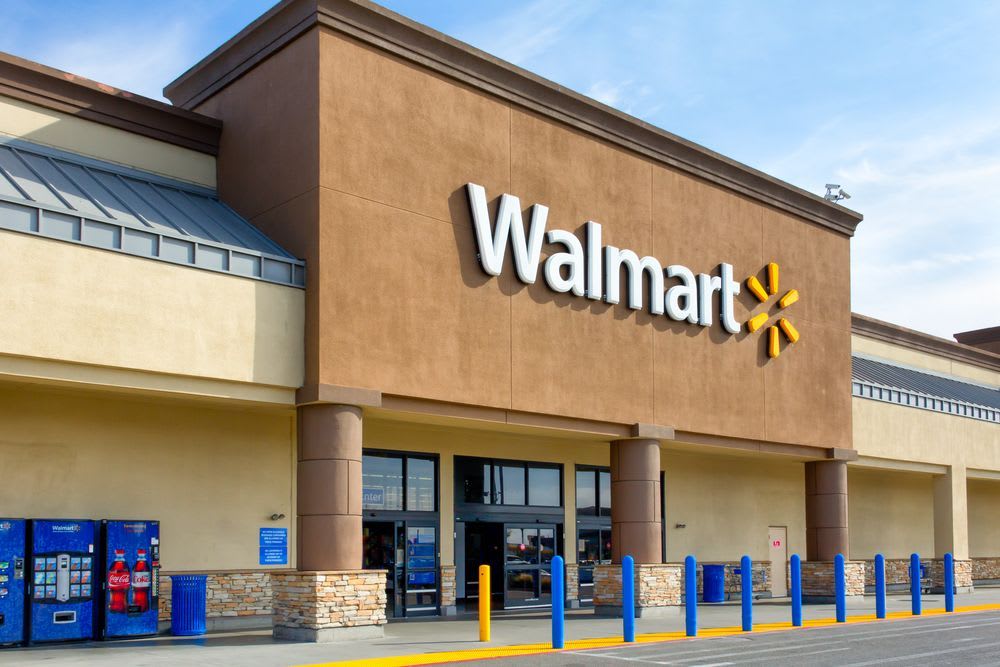
Walmart has announced it will finally accept Apple Pay and Google Pay at its stores and Sam's Club locations. The rollout begins August 24, with full implementation across all stores and fuel stations expected by mid-2027.
A Paradigm Shift in Retail Payments
In a landmark decision that marks the end of a long-standing resistance, Walmart has officially confirmed that it will begin accepting Apple Pay and Google Pay at its retail stores and Sam’s Club locations. For years, the retail behemoth stood as a prominent holdout against the ubiquity of tap-to-pay technology, choosing instead to double down on its proprietary solutions. This strategic pivot signals a significant concession to consumer demand and a recognition of the evolving landscape of digital commerce.
The Historical Context of Resistance
Walmart’s previous stance was rooted in a desire to control the consumer data ecosystem and avoid the fees associated with third-party payment processors. The company famously attempted to challenge Apple Pay’s dominance by backing the short-lived 'CurrentC' mobile payment service and subsequently launching 'Walmart Pay' in 2016, which utilized QR code technology. By maintaining this closed loop, Walmart sought to drive traffic to its own app and keep shoppers within its digital ecosystem, a strategy that often frustrated customers accustomed to the convenience of contactless payments.
The Rollout Roadmap
According to the official announcement, the transition to tap-to-pay will be phased. Starting August 24, select Walmart and Sam’s Club locations will begin testing the new payment method. The company intends to scale this capability to all its U.S. stores by the end of 2026. Recognizing the complexity of its infrastructure, Walmart has extended the timeline for its fuel stations, aiming for a complete rollout at those facilities by the middle of 2027.
Market Reaction and Financial Context
Interestingly, the news of this long-awaited integration arrived amidst a period of volatility for Walmart’s stock. Despite reporting earnings that beat analyst estimates and raising its full-year guidance, Walmart shares experienced a sharp 9% decline, dropping from $114.30 to $103.84. This marks the fourth consecutive earnings day where the stock has trended downward. Financial analysts suggest that while the shift to Apple Pay and Google Pay is a win for consumer convenience, investors remain focused on broader macroeconomic headwinds and the company's long-term outlook.
Broader Implications for Retail
By finally adopting industry-standard contactless payments, Walmart is acknowledging that the convenience of NFC-based (Near Field Communication) technology has become a baseline expectation for the modern shopper. This move effectively ends the 'payment wars' era, where major retailers attempted to force consumers into specific, proprietary payment apps. As Walmart integrates these services, it is likely to see an increase in checkout efficiency, potentially reducing friction for customers at the point of sale.
Looking Toward the Future
As the retail giant moves toward full implementation by 2027, the focus will shift to how this integration impacts the adoption of its own 'Walmart Pay' and 'Scan-and-Go' services. While the move to Apple Pay and Google Pay may cannibalize some usage of proprietary tools, it positions the company to better compete in a market where seamless, frictionless transactions are critical to customer loyalty. The success of this transition will depend on the stability of the rollout and whether the retailer can balance its own app ecosystem with the universal demand for tap-to-pay.