2 Stocks That Former CEO Warren Buffett Purchased for Berkshire Hathaway's Portfolio Now Earn Over $1.44 Billion in Annual Dividends
Source Entity
Yahoo Finance
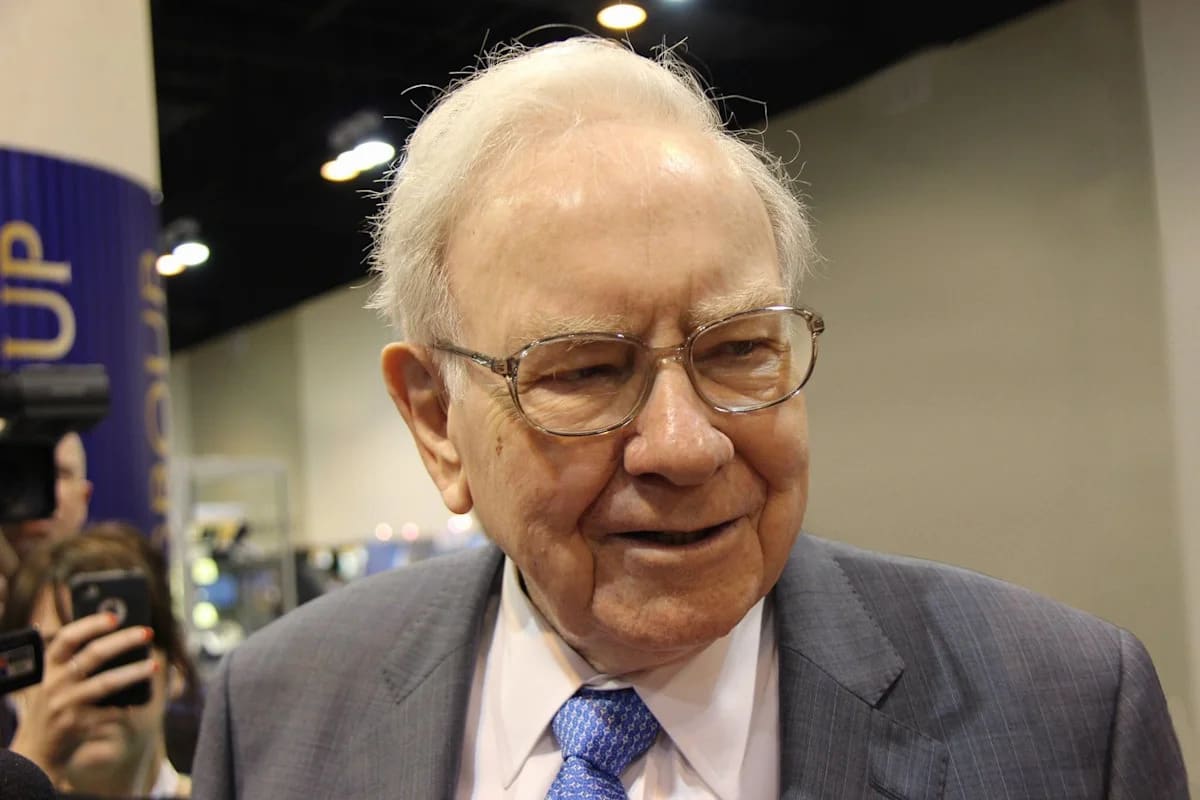
Warren Buffett's transition from CEO to executive chair marks a new chapter for Berkshire Hathaway, which maintains a massive $363 billion equity portfolio. The conglomerate's strategy remains anchored in high-conviction, long-term holdings like Apple, American Express, and Alphabet, which drive significant dividend income.
The Legacy of Warren Buffett at Berkshire Hathaway
Warren Buffett’s recent transition from CEO to executive chair of Berkshire Hathaway marks a significant milestone in corporate history. Despite stepping down from the daily operational helm at the end of last year, Buffett remains deeply embedded in the company's strategic direction. His influence continues to guide a massive equity portfolio currently valued at approximately $363 billion, ensuring that the foundational investment philosophies he championed endure for future generations of shareholders.
The Power of Concentrated Portfolios
A defining characteristic of Berkshire Hathaway’s investment strategy under Buffett’s leadership is the high level of concentration in a few select, high-conviction assets. Currently, over 50% of the conglomerate’s equity holdings are concentrated in just three companies: Apple, American Express, and Alphabet. These organizations are categorized as strong, compounding businesses characterized by "wide moats," a term Buffett famously uses to describe the sustainable competitive advantages that protect a company's market share and profitability from rivals.
Dividend Income and Long-Term Value
The effectiveness of this strategy is evidenced by the substantial passive income generated by the portfolio. Specifically, two of the long-standing stakes initiated under Buffett’s guidance now generate over $1.44 billion in annual dividends. This stream of income highlights the efficacy of the "buy and hold" philosophy, which prioritizes the acquisition of cash-flow-positive assets that can remain in the portfolio for decades rather than seeking short-term speculative gains.
Berkshire vs. The S&P 500
Investors frequently debate whether Berkshire Hathaway serves as a superior investment vehicle compared to traditional S&P 500 index funds, such as the Vanguard S&P 500 ETF or the SPDR S&P 500 ETF Trust. While index funds offer simplicity and statistical likelihood of outperforming most individual stock pickers, Berkshire Hathaway’s unique structure provides a distinct alternative. The conglomerate's long-term, market-beating track record has historically provided a compelling argument for those seeking to outperform broader market benchmarks through active, disciplined management.
Strategic Implications for Future Investors
As Berkshire Hathaway evolves, the central question for market participants is whether the conglomerate can continue to replicate its historical success without Buffett at the helm. The current portfolio is built on a foundation of reliability and institutional strength. Investors looking at the current landscape are forced to weigh the simplicity of passive index investing against the potential for outsized returns offered by Berkshire's concentrated, expert-managed selection of "best-in-class" corporations.
Conclusion
In summary, while the leadership structure at Berkshire Hathaway has changed, the core tenets of its investment thesis remain intact. By prioritizing businesses with durable advantages and maintaining a long-term horizon, the company continues to command significant influence over the financial markets. Whether one chooses to mirror Berkshire's concentrated approach or opt for the broader diversification of an S&P 500 fund, the legacy of Buffett’s strategy remains a cornerstone of modern investment analysis.