Wayanad monsoon crisis: rainfall deficit hits 37% amid El Niño impact
Source Entity
India Latest News: Top National Headlines Today & Breaking News | The Hindu
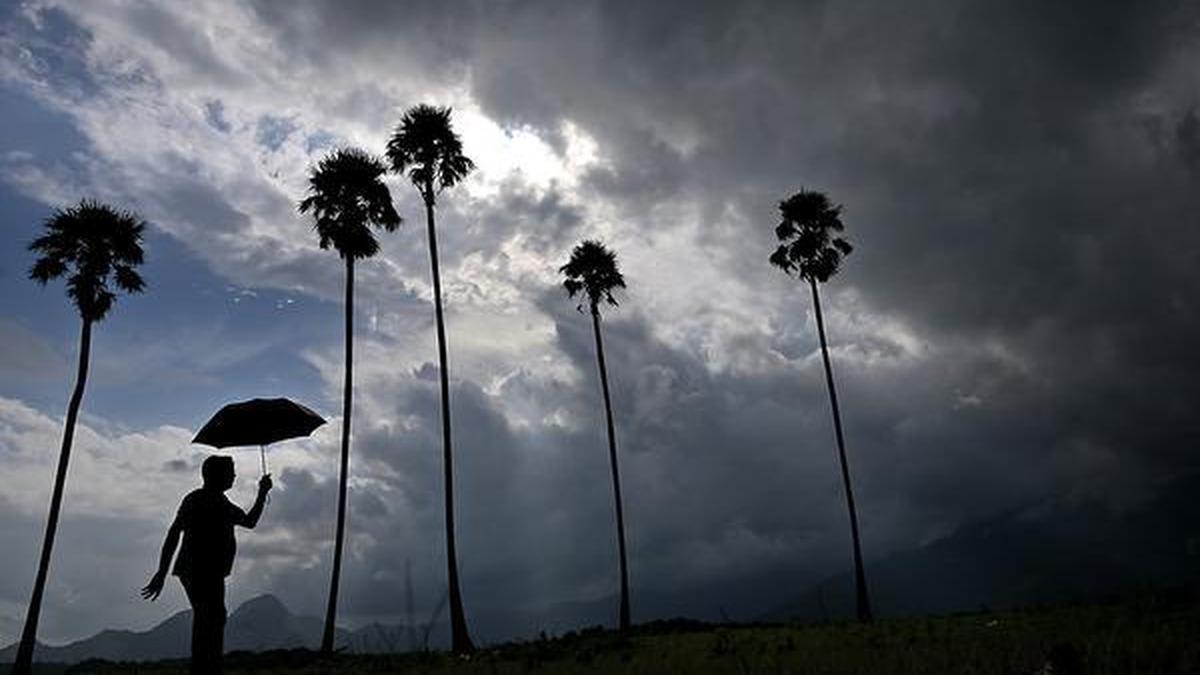
Wayanad is facing a severe 37% rainfall deficit for the Southwest Monsoon season, with only 1,391 mm recorded against a 2,200 mm average. Experts link this shortfall to global climate change and the persistent influence of the El Niño phenomenon.
The Rainfall Crisis in Wayanad: A Deep Dive
The Climate Context
The Wayanad district, typically a region defined by its lush landscapes and consistent monsoon cycles, is currently grappling with an alarming 37% deficit in its Southwest Monsoon rainfall. Data released by the Kalpetta-based Hume Centre for Ecology and Wildlife Biology confirms that between June 1 and August 31, 2026, the region received only 1,391 mm of rain. This figure stands in stark contrast to the historical seasonal average of 2,200 mm reported by the India Meteorological Department (IMD).
The Role of El Niño and Global Patterns
This significant shortfall is largely attributed to the lingering effects of the El Niño phenomenon, a climate pattern known for disrupting standard precipitation cycles across the globe. By altering atmospheric pressure and oceanic temperatures, El Niño has stifled the intensity of the moisture-laden winds that usually drench the Western Ghats. When coupled with the broader, destabilizing impacts of global climate change, these natural variations are becoming more frequent and severe, complicating agricultural planning and water resource management for the district.
Analyzing the Seasonal Trend
While the monsoon season spans several months, the distribution of rainfall in 2026 has been highly irregular. June and July were characterized by particularly sparse precipitation, creating a moisture deficit that proved difficult to overcome. Although August saw a marginal improvement in shower frequency, the total volume remained drastically below the necessary threshold to compensate for the earlier dry spells. This highlights a trend toward 'erratic monsoons,' where localized heavy bursts fail to aggregate into the steady, sustaining rains required by the ecosystem.
Implications for Ecology and Agriculture
Wayanad’s economy and biodiversity are heavily dependent on the predictability of the monsoon. A 37% deficit creates immediate stress on local agriculture, specifically impacting plantation crops and food security. Furthermore, the Hume Centre’s findings underscore a long-term ecological concern: the potential for soil moisture depletion and the subsequent strain on local water tables. Without consistent recharge, the district faces heightened risks of drought-like conditions in the post-monsoon months.
Future Outlook and Mitigation
The persistent nature of this deficit—even after recent attempts at recovery—suggests that regional authorities must pivot toward more resilient water management strategies. As climate models indicate that extreme weather events will likely become the 'new normal,' the focus must shift from reactive measures to proactive climate adaptation. This includes improving rain-harvesting infrastructure and diversifying crop patterns to withstand the increasing volatility of the Indian Monsoon.
Conclusion
In summary, the 2026 monsoon data for Wayanad serves as a critical indicator of shifting environmental baselines. With a 37% rainfall deficit, the district is not merely facing a seasonal anomaly but is confronting the real-world consequences of global climate instability. Addressing these challenges will require a combination of rigorous scientific monitoring and robust, localized policy interventions to ensure the sustainability of the region's natural resources.
Verification Required?