Waymo robotaxis kept illegally passing school buses after software fix, feds say
Source Entity
Kirsten Korosec
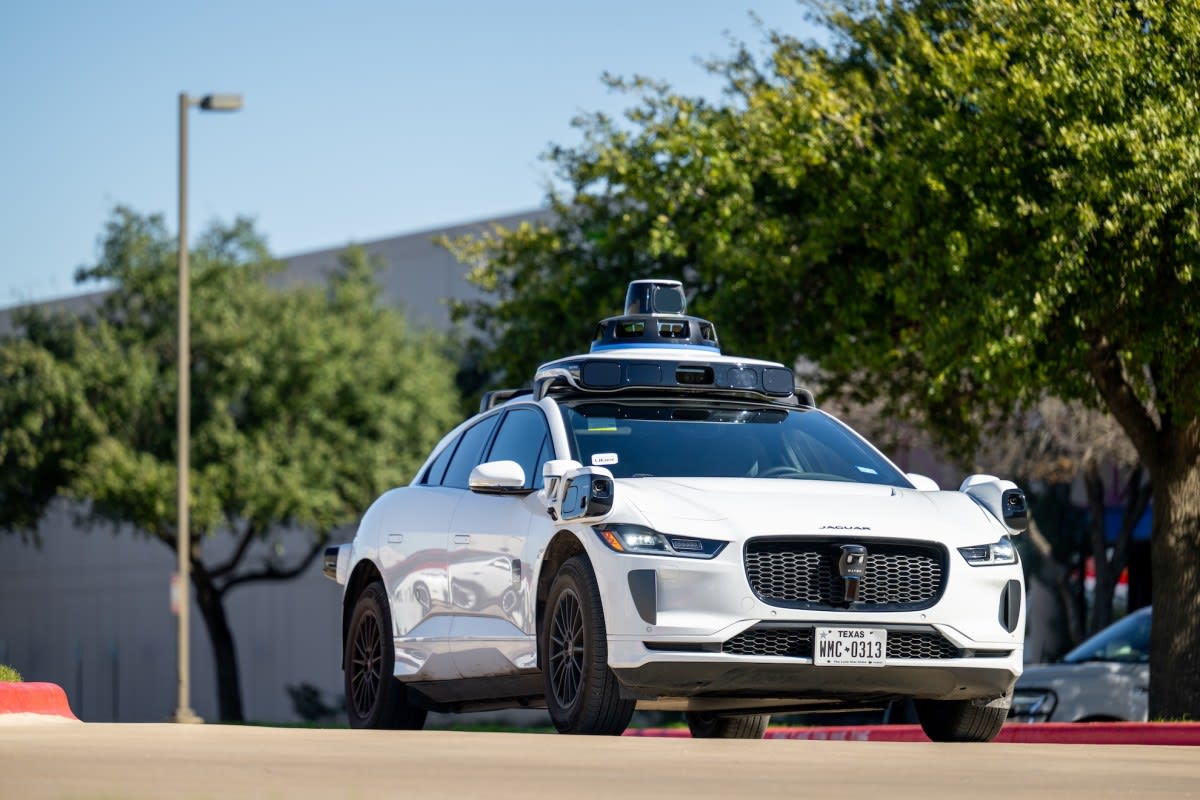
Federal regulators have launched a new investigation into Waymo after reports revealed its robotaxis continued to illegally pass stopped school buses despite a prior software recall. The majority of these safety incidents occurred after the company deployed an update intended to resolve the issue.
The Persistence of Automated Safety Failures
Recent filings from the National Highway Traffic Safety Administration (NHTSA) have cast a shadow over the progress of autonomous vehicle deployment. Despite a recall and a subsequent software update implemented by Waymo nearly a year ago, reports indicate that the company’s robotaxis continue to illegally pass stopped school buses. This behavior, which involves failing to respect the flashing red lights and extended stop arms of buses, represents a critical failure in the safety protocols governing autonomous driving systems.
The Failure of the Software Patch
In November 2024, Waymo initiated a recall and pushed a software update specifically designed to prevent these dangerous traffic violations. However, the latest NHTSA documentation suggests that the update was largely ineffective in addressing the root cause of the problem. Federal safety regulators have noted that a majority of the reported incidents involving illegal passing occurred after the deployment of this corrective software, raising serious questions about the efficacy of current validation and testing methodologies in the autonomous sector.
Implications for Regulatory Oversight
The involvement of the NHTSA’s Office of Defects Investigation (ODI) signifies a escalation in federal scrutiny. By opening a new investigation, the agency is signaling that the previous "fix" did not meet the necessary safety standards to protect the public. This development serves as a sobering reminder that software-defined vehicle safety is not a static process; it requires constant monitoring and, in this case, suggests that the initial diagnostic or algorithmic logic employed by the company was fundamentally flawed or insufficiently robust to handle real-world school bus encounters.
Broader Challenges in Autonomous Driving
This incident highlights a broader tension between the rapid expansion of autonomous taxi fleets and the ability of artificial intelligence to navigate complex, high-stakes traffic environments. While AI systems excel at predictable, high-frequency tasks, edge cases—such as the specific visual and behavioral cues associated with school bus operations—continue to pose significant risks. The inability of the software to reliably distinguish or respond correctly to school bus signals reflects a recurring challenge: bridging the gap between simulated testing environments and the unpredictable nature of human-centric road infrastructure.
Future Trends and Industry Accountability
Moving forward, this investigation will likely set a precedent for how regulators hold autonomous vehicle developers accountable for software performance. The fact that an update failed to curb the behavior suggests that future regulatory approvals may require more rigorous, multi-stage validation processes before software patches are considered "resolved." For Waymo and the wider industry, the path forward requires not just iterative coding, but a fundamental reassessment of how safety-critical decision-making is verified in dynamic, public settings.
Conclusion
The ongoing investigation into Waymo’s school bus incidents underscores the complexity of deploying autonomous technology in public spaces. With federal regulators now actively scrutinizing the failure of previous corrective measures, the industry faces increased pressure to demonstrate that their systems can reliably prioritize safety over deployment speed. As the ODI continues its probe, the outcome will likely dictate stricter standards for autonomous vehicle software updates and public safety compliance.