Waymo confirms it will split with Uber in January 2028
Source Entity
Sean O'Kane
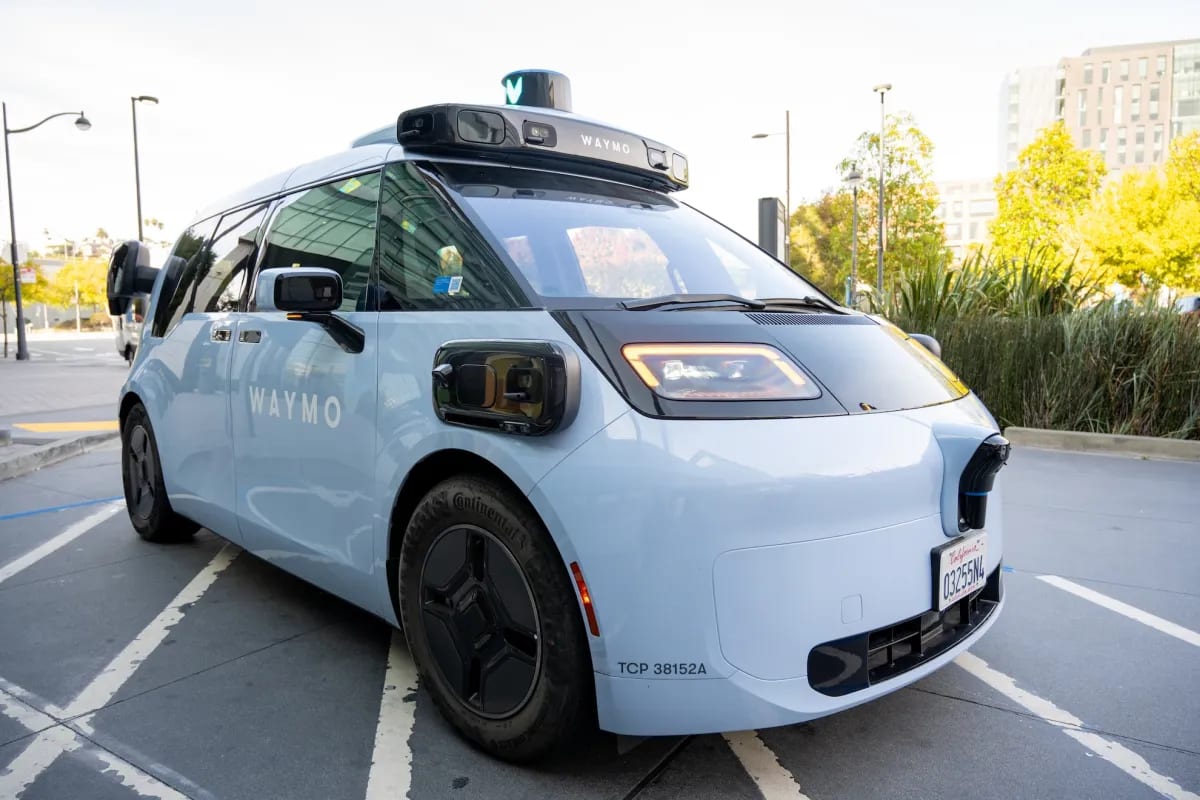
Waymo will end its partnership with Uber in Austin and Atlanta by January 2028 to transition to its own dedicated ride-hailing app. This strategic shift aims to provide a more consistent brand experience for robotaxi users.
The Strategic Decoupling of Waymo and Uber
Waymo, the autonomous driving subsidiary of Alphabet, has officially confirmed that it will terminate its partnership with Uber in the Austin and Atlanta markets by January 2028. This decision, announced by co-CEO Tekedra Mawakana, marks a significant pivot in the company’s distribution strategy. By moving away from the Uber platform, Waymo intends to consolidate its operations under its own proprietary smartphone application, mirroring the model it successfully employs in other major urban service areas.
The Rationale Behind the Split
The initial alliance between Waymo and Uber was predicated on the need for rapid scale and access to Uber’s massive user base. However, Mawakana noted that the integration has resulted in a fragmented experience for consumers. Because Uber’s platform aggregates various transit options, riders often experience uncertainty regarding whether their incoming vehicle will be an autonomous Waymo robotaxi or a traditional human-driven vehicle. This inconsistency has prompted Waymo to prioritize brand clarity and user expectation management.
Market Dynamics and Competitive Positioning
As the January 2028 deadline approaches, the move signals a shift toward direct competition. Uber continues to maintain a diversified network of autonomous vehicle partners, meaning it will likely replace Waymo’s capacity with other providers in those regions. For Waymo, the transition is a calculated risk; while they lose the immediate scale of the Uber network, they gain total control over the customer interface, data collection, and the end-to-end user experience, which is critical for building long-term brand loyalty.
Historical Context of AV Partnerships
The history of autonomous vehicle deployment has been characterized by tentative collaborations between tech developers and ride-hail platforms. Initially, companies like Waymo viewed ride-hail giants as essential conduits to reach the general public. As the technology has matured, however, the industry is increasingly moving toward a 'walled garden' approach. By owning the full stack—from the vehicle software to the consumer-facing app—Waymo is positioning itself to capture higher margins and ensure that the robotaxi experience remains distinct from standard ride-sharing.
Future Trends in Autonomous Mobility
Looking toward 2028 and beyond, the industry is likely to see further bifurcations between platform-agnostic service providers and vertically integrated operators. Waymo’s move suggests that as robotaxi technology becomes more reliable and widespread, the need for third-party distribution platforms diminishes. This trend will force ride-hail companies to either develop their own proprietary autonomous fleets or continue to act as aggregators for smaller, less established AV firms.
Conclusion
The decision to split with Uber is a hallmark of Waymo’s evolution from a research-driven project into a mature, independent consumer service. By reclaiming its direct relationship with passengers in Austin and Atlanta, Waymo is betting that the quality and reliability of its dedicated app will outweigh the reach provided by the Uber ecosystem. This transition will serve as a bellwether for the autonomous industry, highlighting the tension between the desire for rapid market penetration and the necessity of maintaining a premium, controlled user experience.