Waymo reportedly mulling a breakup with Uber
Source Entity
Sean O'Kane
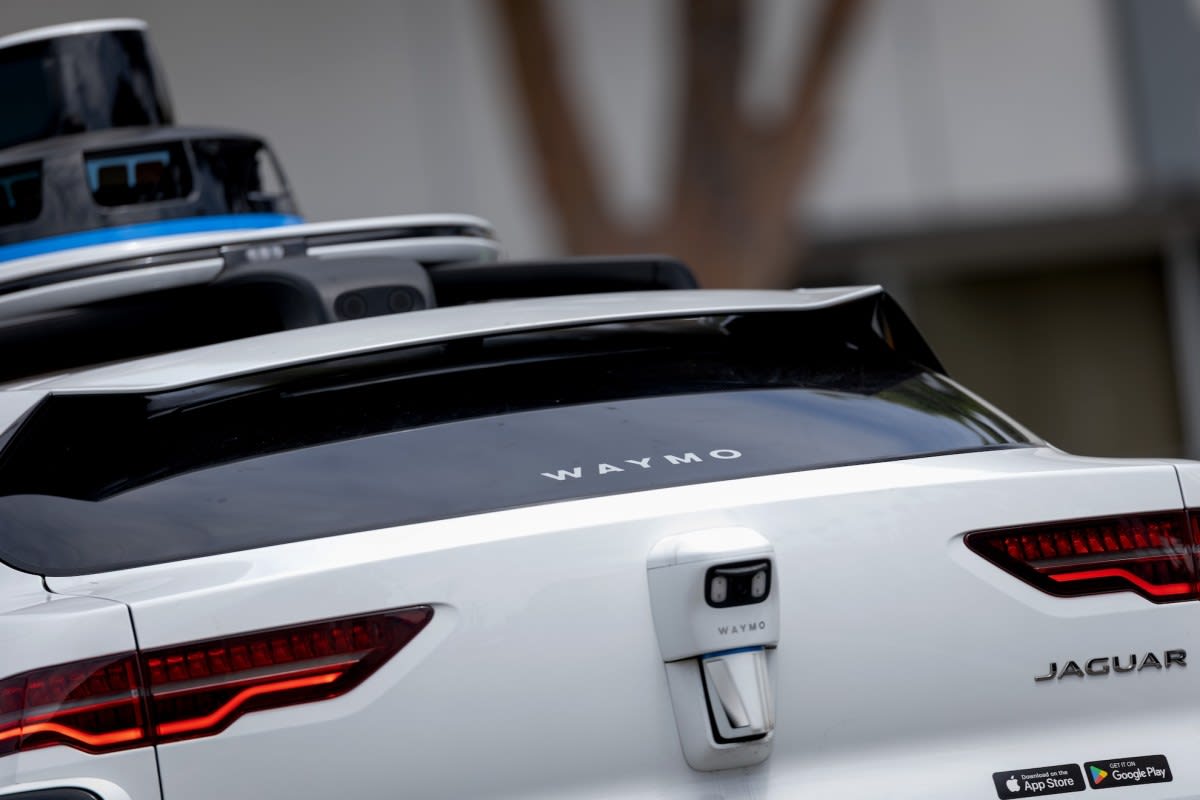
Waymo plans to launch its own ride-hailing app in Austin and Atlanta by January 2028, effectively ending its current exclusivity arrangement with Uber. While the partnership remains in effect until May 2028, the move signals Waymo's shift toward a direct-to-consumer model.
The Shifting Landscape of Autonomous Mobility
Recent reports indicate a significant strategic pivot for Waymo, the Alphabet-owned autonomous vehicle leader, as it moves to decouple its operations from the Uber platform in key U.S. markets. By January 2028, Waymo intends to introduce its own proprietary application for robotaxi services in Austin and Atlanta, operating alongside its existing presence on the Uber network. This development marks a transition from a collaborative, platform-dependent strategy to a more independent, direct-to-consumer model.
The Mechanics of the Transition
The current partnership, which has facilitated driverless ride-hailing in Austin and Atlanta for the past three years, is governed by a contract scheduled to conclude in May 2028. While Waymo will continue to utilize Uber’s massive user base in the interim, the decision to launch a standalone application four months prior to the contract's expiration highlights a clear intent to capture the full value chain of the passenger experience. This mirrors a similar separation that already occurred in the Phoenix market earlier this year.
Strategic Implications for Autonomous Fleets
For Waymo, the move reflects a growing confidence in its brand equity and fleet management capabilities. By bypassing third-party aggregators, the company can exert greater control over user data, pricing, and the end-to-end customer journey. This autonomy is crucial for scaling operations in complex urban environments, where specialized interfaces and direct communication channels with riders can significantly enhance safety and service reliability.
The Evolving Uber-Waymo Dynamic
Uber’s role in the autonomous vehicle ecosystem has been complex, characterized by both strategic partnerships and underlying competitive tension. While the integration of Waymo’s fleet into the Uber app provided a rapid path to market penetration, the long-term sustainability of such arrangements is often challenged by the desire for platform sovereignty. The 'breakup' in these cities is symptomatic of the broader industry trend where technology developers seek to become the primary interface for the consumer.
Future Trends and Market Outlook
Looking toward 2028, the autonomous ride-hailing market is likely to become increasingly fragmented. As Waymo successfully demonstrates its ability to attract riders without exclusive partnerships, other players in the AV space may follow suit, prioritizing their own applications to establish direct relationships with passengers. This shift will likely compel ride-hailing giants like Uber to rethink their value proposition, moving from a primary conduit for transport to a more diversified marketplace of autonomous and human-driven mobility options.
Conclusion
The decision by Waymo to move toward a standalone application in Austin and Atlanta represents a defining moment in the maturation of the robotaxi industry. While the contractual obligations remain until May 2028, the strategic trajectory is clear: the era of exclusive, platform-dependent deployment is giving way to a more competitive, independent model. As Waymo scales its own app, the industry will be watching closely to see how effectively the company can maintain service quality and consumer adoption without the infrastructure of traditional ride-hailing incumbents.
Multiple Citing Sources