West Asia conflict drags on amid global economic and energy uncertainty
Source Entity
Latest News: Todays Latest News Headlines from India & World | Hindustan Times | Hindustan Times
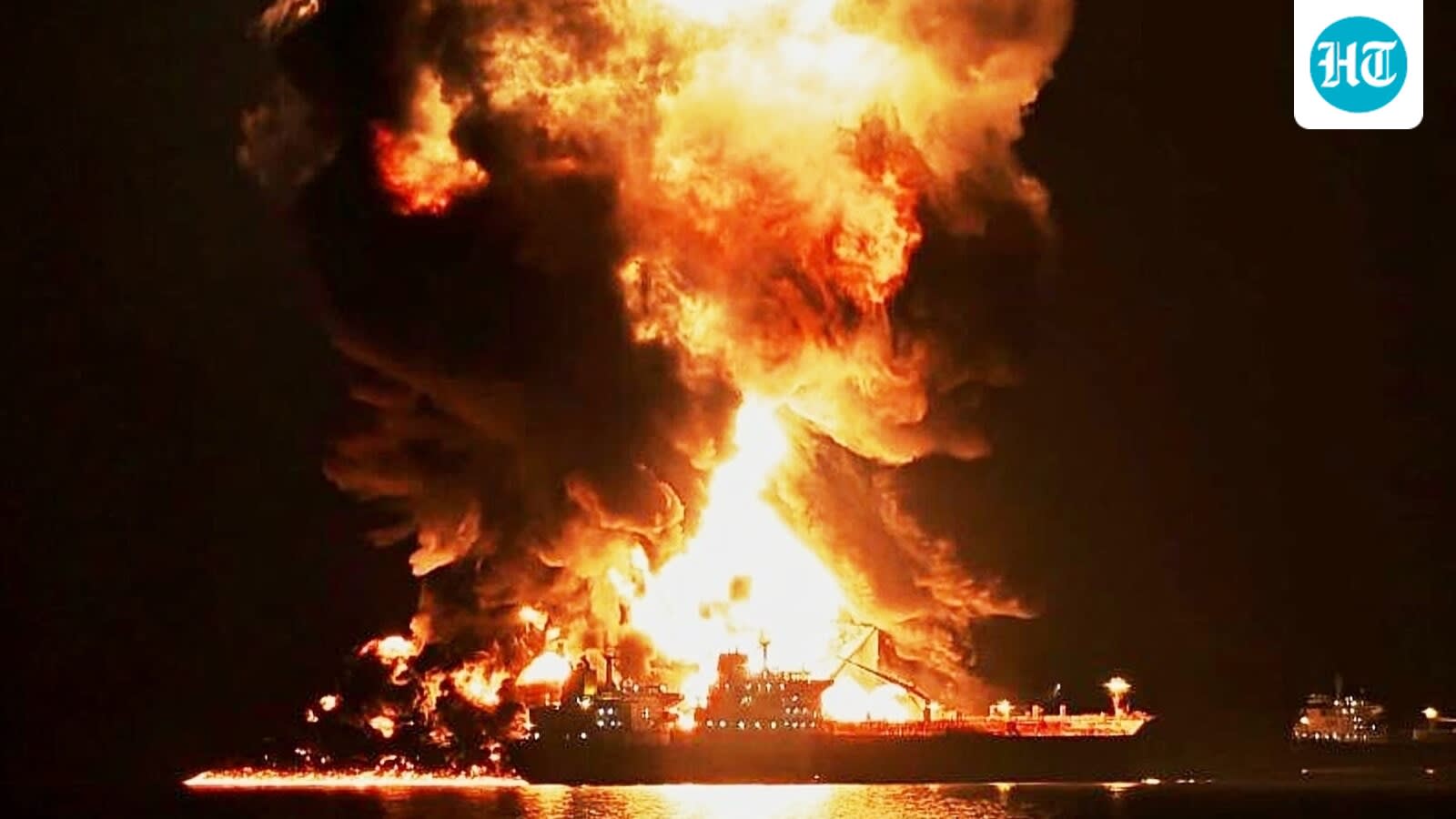
Ongoing regional conflict in West Asia is threatening the economic stability of Gulf nations as Iranian-backed forces target critical infrastructure. Despite defensive support from the US and Israel, frequent strikes on ports and oil facilities continue to disrupt regional energy and trade ambitions.
The Escalating Crisis: West Asia's Infrastructure Under Siege
The geopolitical landscape of West Asia is currently defined by a persistent and destructive shadow war that threatens to undermine the ambitious economic transformations of Gulf nations. Recent reports indicate that Iran and its network of proxies have executed a coordinated campaign targeting the modernizing ambitions of countries like Saudi Arabia and the United Arab Emirates. This systematic aggression is not merely a military skirmish but a strategic attempt to destabilize the economic foundations upon which these nations are building their future.
The Scope of the Strategic Offensive
According to findings, the intensity of these operations is significant, with no fewer than 135 infrastructure targets struck within the last seven months. Of particular concern is the Fujairah port, located strategically beyond the Strait of Hormuz, which has suffered 19 separate attacks. These strikes represent a direct assault on the maritime corridors essential for global energy security, signaling a shift in tactics from localized border friction to high-impact economic warfare against critical logistics hubs.
The Failure of Defensive Deterrence
Despite the deployment of advanced US and Israeli intelligence assets and missile interceptor technology, the regional defense architecture has struggled to provide a complete shield. Iranian-aligned Houthi forces continue to strike Saudi infrastructure, including airports, oil pipelines, and refineries, often with a perceived sense of impunity. This persistent vulnerability suggests that current defensive measures are inadequate against the sheer volume and varied nature of the asymmetric threats posed by these proxy groups.
Economic Implications for the Gulf
The ongoing conflict poses an existential threat to the 'West Asia economic boom.' By targeting the UAE, Saudi Arabia, Bahrain, Kuwait, and Jordan, the Iranian Revolutionary Guards Corps (IRGC) and the Quds force are effectively raising the risk premium for international investors and trade partners. The continuous threat of sabotage creates an environment of uncertainty that discourages the foreign direct investment necessary for these nations to pivot away from oil-dependent economies toward more diversified, tourism- and technology-driven models.
Historical Context and Future Trends
Historically, the Strait of Hormuz has served as the world’s most vital oil chokepoint. The current trend of targeting infrastructure beyond this bottleneck—specifically at Fujairah—indicates an Iranian strategy to expand the theater of conflict, forcing Gulf states to spread their defensive resources thin. Moving forward, unless a diplomatic breakthrough occurs or a more robust regional security framework is established, the persistent threat of fire and sabotage at oil terminals will likely continue to exert upward pressure on global energy prices and volatility in regional trade.
Conclusion: A Fragile Future
Ultimately, the conflict in West Asia has evolved into a war of attrition. While global powers attempt to contain the fallout through sanctions and military support, the reality on the ground remains precarious. The ongoing damage to ports and energy infrastructure serves as a stark reminder that the region's economic aspirations remain hostage to the broader geopolitical struggle, requiring a long-term solution that addresses both the security vacuum and the underlying political tensions between regional actors.
Verification Required?