Over 37 lakh appeals pending after Bengal SIR: EC tells Supreme Court
Source Entity
ROHITASHWA RANJAN
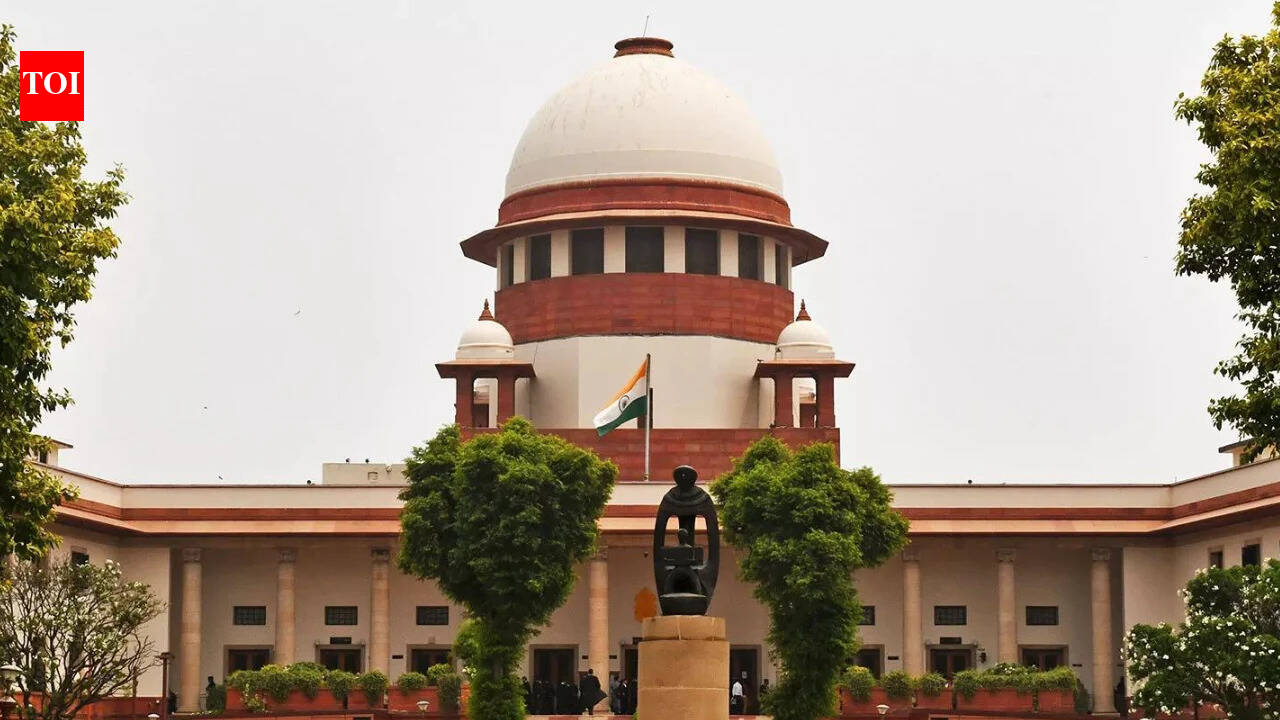
The Election Commission has reported to the Supreme Court that over 37 lakh appeals regarding West Bengal voter roll revisions remain unresolved. With municipal elections approaching, the massive backlog in appellate tribunals has left the electoral status of millions in limbo.
The Crisis of Electoral Integrity in West Bengal
The democratic process in West Bengal faces a significant administrative hurdle as the Election Commission of India (EC) reports that over 37 lakh appeals remain pending following the Special Intensive Revision (SIR) of electoral rolls. Out of a staggering 38,20,683 total appeals filed—stemming from both the inclusion and exclusion of voters—only 1,02,231 have been resolved. This backlog, surfacing over six months after the Supreme Court mandated the formation of 19 Appellate Tribunals, highlights a critical bottleneck in the state's electoral machinery.
Administrative Backlog and Judicial Oversight
The current situation arises from a Supreme Court-ordered review of voter rolls, intended to ensure accuracy and fairness. However, the sheer volume of appeals across 24 districts has overwhelmed the designated tribunals. Despite the judiciary's intervention to expedite the process, the statistics provided in the EC's recent affidavit indicate that the administrative infrastructure is struggling to keep pace with the high volume of contested claims, leaving the vast majority of appellants without a resolution.
Transparency Concerns and Missing Data
A point of contention highlighted by the petition from West Bengal Congress leader Prasenjit Bose is the lack of granular data provided by the Election Commission. While the EC confirmed the total number of pending appeals, it failed to provide a specific break-up of how many appeals were filed by the 27.16 lakh electors who were deleted from the rolls versus those filed by the poll panel against new inclusions. This omission complicates the ability of stakeholders to analyze the nature of the deletions and the potential disenfranchisement of voters.
Implications for Upcoming Municipal Elections
With municipal elections looming on the horizon, the timing of this administrative paralysis is particularly concerning. The electoral roll serves as the foundational document for any democratic exercise; when millions of voters are left in a state of 'limbo' regarding their voting rights, the legitimacy of the upcoming polls may be called into question. The inability of the tribunals to clear the backlog in time for these elections could effectively disenfranchise a significant portion of the electorate.
Broader Challenges in Electoral Revision
The West Bengal SIR exercise underscores the broader challenges of maintaining accurate electoral rolls in a state with a large and mobile population. The tension between the necessity of 'intensive' revisions to clean up rolls and the risk of mass deletions has become a recurring theme in state politics. The current situation serves as a stark reminder of the need for more robust, transparent, and efficient mechanisms for grievance redressal during the electoral revision process.
Future Trends and Judicial Expectations
Moving forward, it is likely that the Supreme Court will demand greater accountability and a more detailed roadmap from the Election Commission to resolve the remaining 37,184,52 pending cases. Given the public discourse and the political sensitivity surrounding these rolls, the judiciary is expected to maintain strict oversight. The resolution of these appeals will not only be a test of the EC’s administrative efficiency but also a critical factor in ensuring that the upcoming municipal elections are perceived as free, fair, and inclusive.
Multiple Citing Sources