Multiple fires destroy homes and cause devastation in West Midlands
Source Entity
BBC News
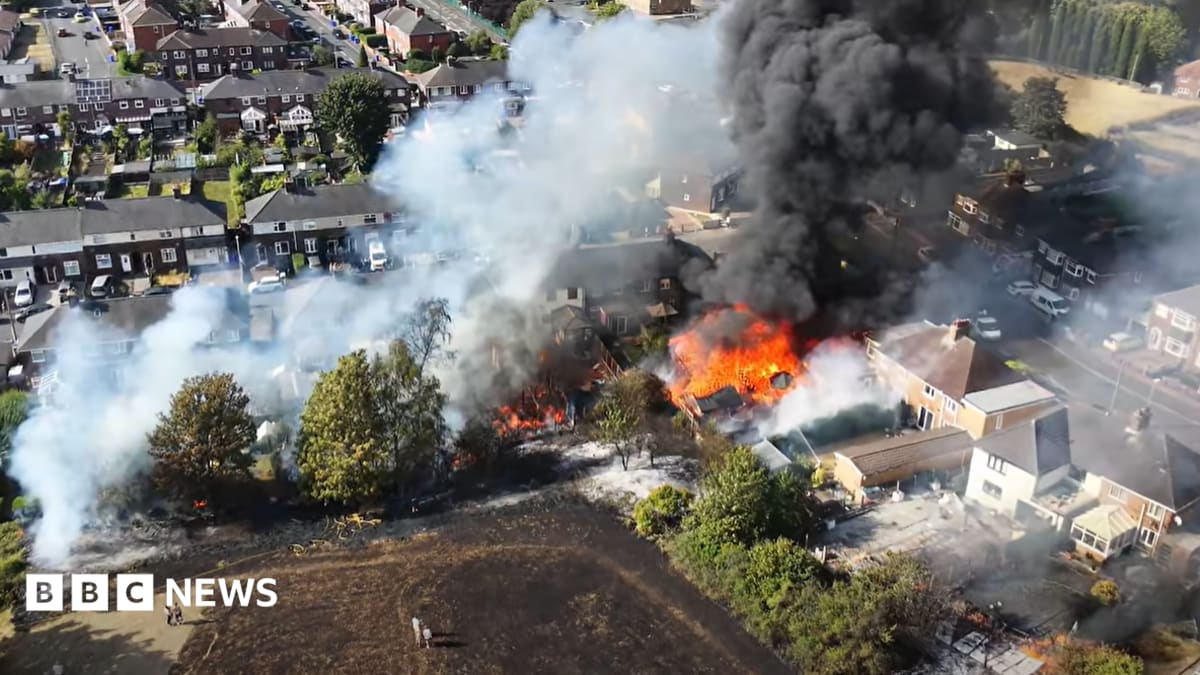
The West Midlands faced a historic fire emergency as record-breaking UK temperatures fueled multiple devastating blazes. The incident resulted in destroyed homes, numerous injuries, and an unprecedented surge in emergency service demand.
A Historic Emergency: The West Midlands Fire Crisis
The West Midlands recently endured one of the most significant fire incidents in the region's history, as a combination of extreme weather and widespread blazes left a trail of destruction. As the United Kingdom hit its hottest day of the year, the resulting tinderbox conditions led to a surge in fire activity that pushed emergency services to their absolute limits. The regional fire chief, Simon Tuhill, described the situation as one of extreme demand, with thousands of 999 calls flooding communication centers simultaneously.
The Scale of Destruction
The impact of these fires was both rapid and widespread. In Stourbridge, a massive blaze ignited near the local golf course, spreading aggressively through dry woodland and grass. The intensity of the fire was such that approximately 100 firefighters were required to contain the perimeter, yet the fire still managed to claim six homes. This pattern of destruction repeated across the region, with additional reports of four homes lost in Stoke-on-Trent and further incidents in Castle Vale, Birmingham, and Warwickshire, where a major incident was officially declared.
Human Toll and Emergency Response
Beyond the physical destruction of property, the human cost was significant. Emergency responders, who were already stretched thin by the volume of calls, faced dangerous conditions on the front lines. Tragically, a child and three firefighters required hospitalization, while a woman in Castle Vale sustained serious injuries. These casualties underscore the volatile nature of fighting wildfires in residential areas where rapid evacuation is often hindered by the speed at which dry vegetation fires move.
Environmental and Climate Context
This event serves as a stark example of how extreme heatwaves directly correlate with spikes in fire-related emergencies in the UK. The environmental conditions—specifically the combination of record-breaking heat and prolonged dry spells—transformed typical landscapes into high-risk fuel sources. As these fires spread through residential areas, they highlighted the vulnerability of infrastructure not traditionally built to withstand the rapid-fire spread seen in arid, high-heat scenarios.
Future Implications for Emergency Management
Looking ahead, the sheer volume of 999 calls recorded during this event suggests a need for re-evaluating regional disaster response protocols. The classification of the event as a 'major incident' indicates that the strain on resources was beyond standard operational capacity. Moving forward, authorities will likely focus on enhancing inter-agency coordination and wildfire mitigation strategies, particularly as climate data suggests that such extreme heat events may become more frequent in the coming years.
Multiple Citing Sources