This is what happens to the body after stopping fertility treatment
Source Entity
The Indian Express
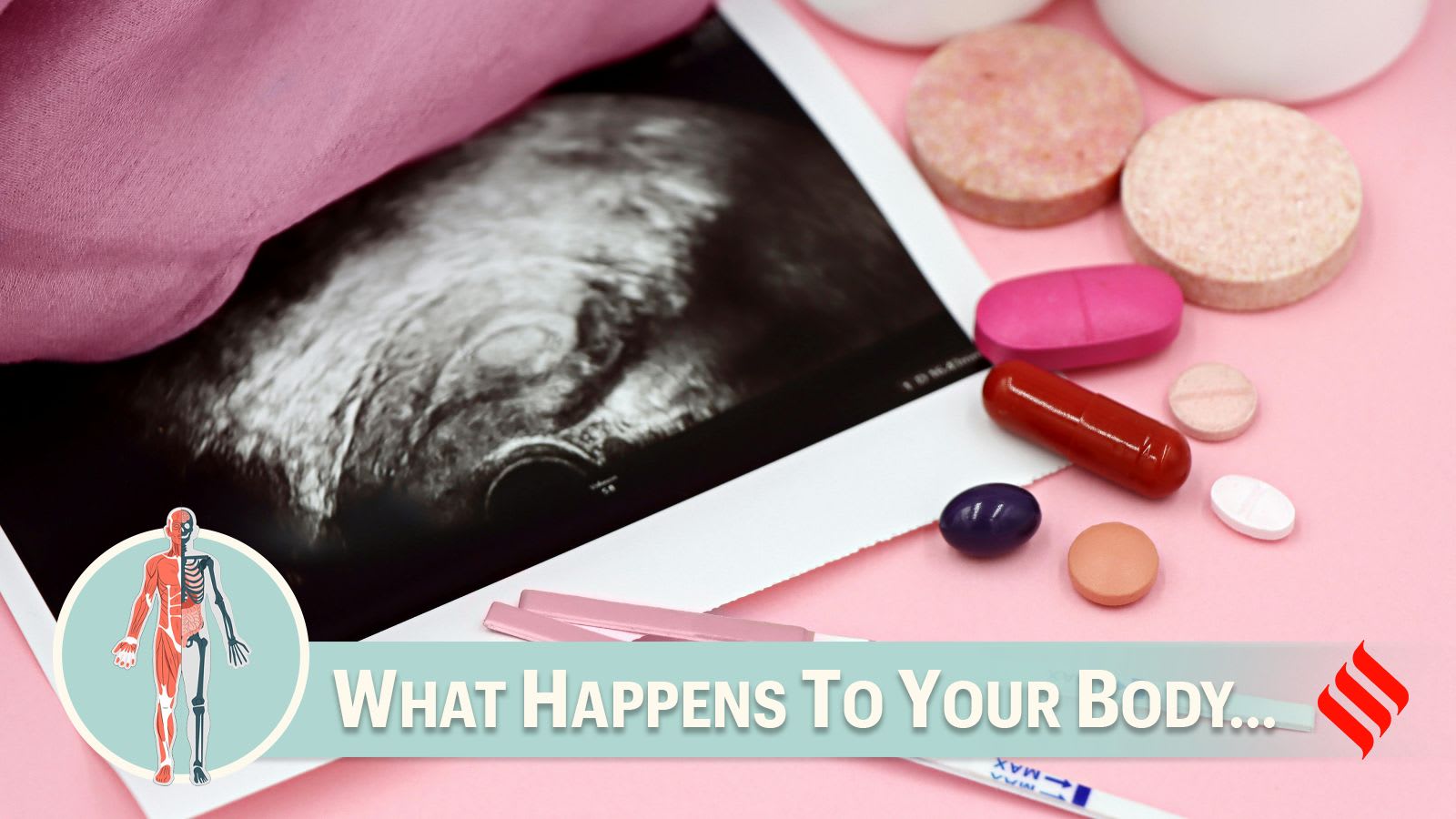
Stopping fertility treatment triggers a transition period as the body recalibrates its natural hormonal balance. Individuals may experience varied physical and emotional symptoms as reproductive cycles return to their pre-treatment patterns.
The Physiological Transition Following Fertility Treatment
Fertility treatments, ranging from hormonal medications and injections to complex monitoring and invasive procedures, are designed to temporarily override the body’s natural reproductive rhythm. These interventions create a controlled environment to stimulate ovulation or prepare the uterine lining, effectively placing the endocrine system in a state of managed flux. When these treatments conclude—whether due to the end of a cycle, an unsuccessful pregnancy attempt, or a personal decision to pause—the body faces an immediate transition period as it works to recalibrate its baseline hormonal levels.
The Variability of Recovery
It is critical to understand that there is no singular 'norm' for how a body reacts to the cessation of fertility treatments. Because every individual enters these protocols with a unique reproductive profile, the timeline for returning to a natural cycle varies significantly. Factors such as the intensity of the treatment, the specific medications used, and the underlying reproductive health of the patient all play a role in how quickly the endocrine system resumes its autonomous function. Consequently, patients should anticipate a period of adjustment rather than an immediate return to pre-treatment normalcy.
Hormonal and Physical Fluctuations
As exogenous hormones are withdrawn, the body must adjust to the shifting concentrations of estrogen and progesterone. This physiological shift often manifests through tangible changes in menstrual cycles and ovulation timing. Many individuals report noticeable fluctuations in their period regularity in the months following treatment. Furthermore, because reproductive hormones are deeply linked to neurochemistry, it is common to experience changes in mood or emotional stability during this window of hormonal stabilization.
Navigating Physical Symptoms
Beyond the menstrual cycle, patients may notice physical symptoms such as bloating, breast tenderness, or changes in energy levels as the body processes the final effects of the treatment. These symptoms are generally reflective of the body’s attempt to achieve homeostasis. While these sensations can be unsettling, they are often a natural component of the systemic recalibration process. It is important for individuals to monitor their symptoms and remain in contact with their clinical teams if they encounter severe or unexpected physical distress.
Long-Term Outlook and Future Trends
Looking ahead, the medical community continues to emphasize that the 'settling' period is highly individual. While some individuals return to their natural reproductive patterns within one or two cycles, others may require several months for their systems to fully stabilize. As medical protocols evolve, the focus is increasingly shifting toward providing patients with more comprehensive post-treatment support. Understanding that the body requires time to reset is a vital part of the reproductive health journey, allowing individuals to approach future decisions with clarity and a better understanding of their own biological needs.