What is the FDIC, and how does it work?
Source Entity
Yahoo Finance
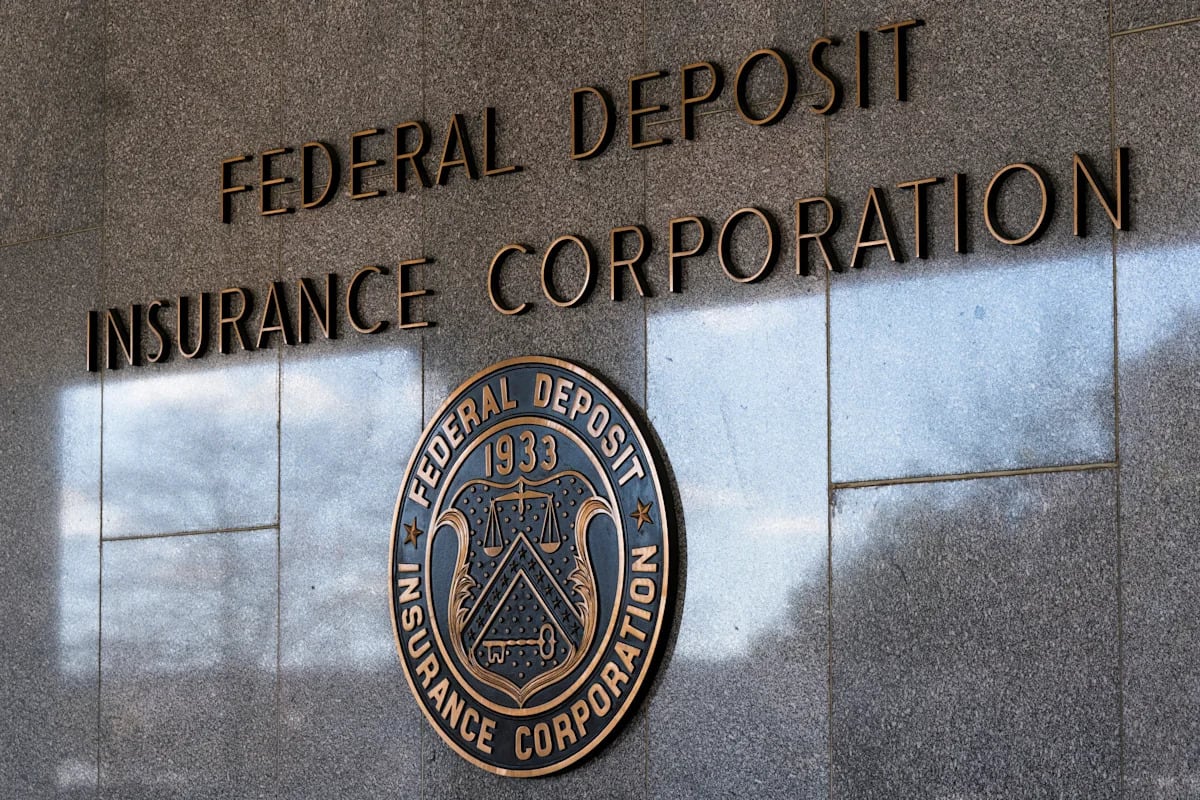
The Federal Deposit Insurance Corporation (FDIC) is a U.S. government agency that protects bank depositors. It provides insurance of up to $250,000 per person, per ownership category, ensuring financial stability and public trust.
Understanding the Role of the FDIC in Modern Banking
For most American consumers, the "Member FDIC" sign displayed in bank lobbies or on digital banking platforms serves as a silent guarantor of financial security. The Federal Deposit Insurance Corporation (FDIC) is an independent federal agency tasked with maintaining stability and public confidence in the nation's financial system. By providing insurance on deposits, the agency prevents the catastrophic loss of personal savings, effectively acting as a bedrock for consumer banking.
Historical Origins: The Lessons of 1929
The creation of the FDIC in 1933 was a direct legislative response to the systemic collapse caused by the 1929 stock market crash. During that era, the absence of deposit insurance led to widespread panic, resulting in infamous "bank runs" where depositors rushed to withdraw their funds simultaneously. The financial contagion was so severe that approximately 9,000 banks failed, leading to $7 billion in lost deposits and the total erasure of life savings for millions of citizens. This period of turmoil necessitated the intervention of President Franklin D. Roosevelt, who championed the establishment of the FDIC to restore faith in the banking sector.
Core Mechanics of Deposit Protection
At its core, the FDIC functions as a safety net. If an institution insured by the FDIC fails, the agency steps in to repay depositors up to a statutory limit of $250,000 per person, per ownership category, at each insured bank. This mechanism is designed not only to compensate individuals but to stabilize the broader economy by preventing fear-driven withdrawals. Because the insurance applies to each ownership category—such as single accounts, joint accounts, or retirement accounts—individuals can often insure amounts exceeding the base limit depending on how their funds are structured.
Broadening the Scope: Online and Traditional Banks
In the modern era, the FDIC’s mandate has evolved alongside the shift toward digital finance. Today, almost all banks, including modern online-only institutions, are required to carry this insurance. This ensures that regardless of whether a customer interacts with a physical branch or an app-based interface, their deposited funds remain protected by the federal government. This continuity of coverage is essential for maintaining a level playing field in the competitive fintech landscape.
The Economic Implications of Stability
The existence of the FDIC fundamentally changes the relationship between banks and their customers. By mitigating the risk of loss, the agency encourages citizens to keep their capital within the banking system, which in turn provides banks with the liquidity necessary to issue loans and stimulate economic growth. Without this federal backing, the modern credit system would likely be far more fragile, as the risk of bank insolvency would discourage both individual saving and institutional lending.
Conclusion: A Foundation of Trust
The FDIC stands as one of the most successful interventions in American economic history. By transforming the volatile banking environment of the early 20th century into a regulated, stable system, it has protected generations of savers. As the financial sector continues to innovate, the fundamental promise of the FDIC—that deposits are safe up to $250,000—remains a vital component of the nation's economic infrastructure.