WhatsApp rolls out security updates with more info on unknown callers, stronger 2FA
Source Entity
The Indian Express
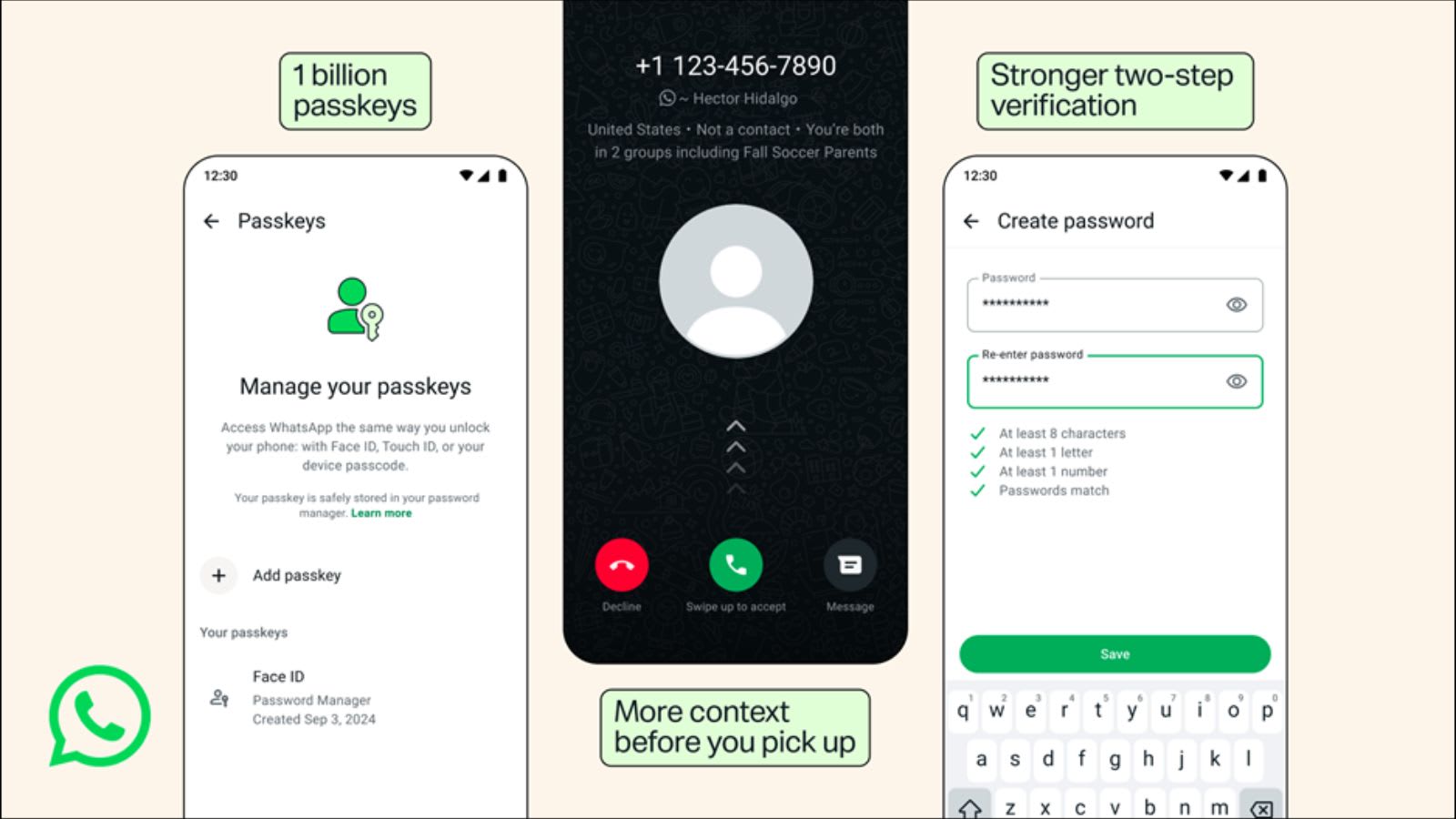
WhatsApp has introduced significant security upgrades, including alphanumeric 2FA passwords, expanded passkey support across devices, and enhanced context for unknown calls. These updates aim to bolster user privacy and prevent account hijacking by scammers.
Strengthening Digital Defenses: WhatsApp's Latest Security Overhaul
WhatsApp, the Meta-owned messaging giant, has officially rolled out a suite of security enhancements designed to fortify user privacy and combat the rising tide of digital fraud. In an era where communication platforms are increasingly targeted by sophisticated bad actors, these updates focus on two critical vectors: account authentication and call privacy. By introducing more granular controls, the platform aims to provide users with the tools necessary to verify the legitimacy of incoming contacts before engagement.
Evolving Account Authentication: Beyond the PIN
One of the most significant changes involves the evolution of two-step verification (2FA). Previously reliant on a standard six-digit PIN, WhatsApp is now allowing users to transition to alphanumeric passwords. This change is vital in mitigating the success of social engineering attacks; while a simple numeric PIN can be guessed or intercepted via phishing, an alphanumeric string significantly increases the entropy required for a brute-force attack, thereby reducing the likelihood of successful account hijacking even if an OTP is compromised.
Expanding Passkey Utility
Building upon the initial rollout of passkeys in 2024, WhatsApp has expanded its support to accommodate users who operate across multiple devices, including both Android and iOS ecosystems. By allowing multiple passkeys, the platform facilitates a more seamless authentication experience that leverages biometric data—such as fingerprint scans, Face ID, or device-specific screen lock codes. This shift moves the industry away from traditional, easily phished passwords toward device-bound cryptographic keys, which are fundamentally more secure.
Addressing the Unknown Caller Phenomenon
Beyond account security, WhatsApp is addressing the user experience regarding unsolicited communication. The platform is now providing additional context for calls originating from unknown numbers. This feature is a direct response to the global increase in spam and scam-related voice activity. By providing users with more information before they decide to answer, WhatsApp empowers individuals to make informed decisions, effectively reducing the surface area for potential voice-based phishing attempts.
Broader Implications for Global Privacy
These updates are not merely incremental; they reflect the broader trend of tech giants prioritizing 'security by design.' As Meta continues to integrate its messaging infrastructure, these features serve as a protective layer against the increasing sophistication of cyber-criminals who exploit human psychology and technical vulnerabilities. For the average user, these tools represent a necessary evolution in maintaining digital hygiene in a landscape where account theft can have severe personal and financial consequences.
Future Trends in Secure Communication
Looking ahead, it is clear that the future of secure messaging lies in the total removal of legacy credentials. As the industry moves toward a passwordless future, we can expect platforms like WhatsApp to continue refining biometric integration and contextual data analysis. Future iterations will likely focus on predictive threat detection, where AI-driven models identify potential scams in real-time, providing users with even greater protection as the digital threat landscape continues to shift.