A Hindu-Muslim friendship amid the 1946 riots: A graphic novel’s lost dream
Source Entity
Madhurita Goswami
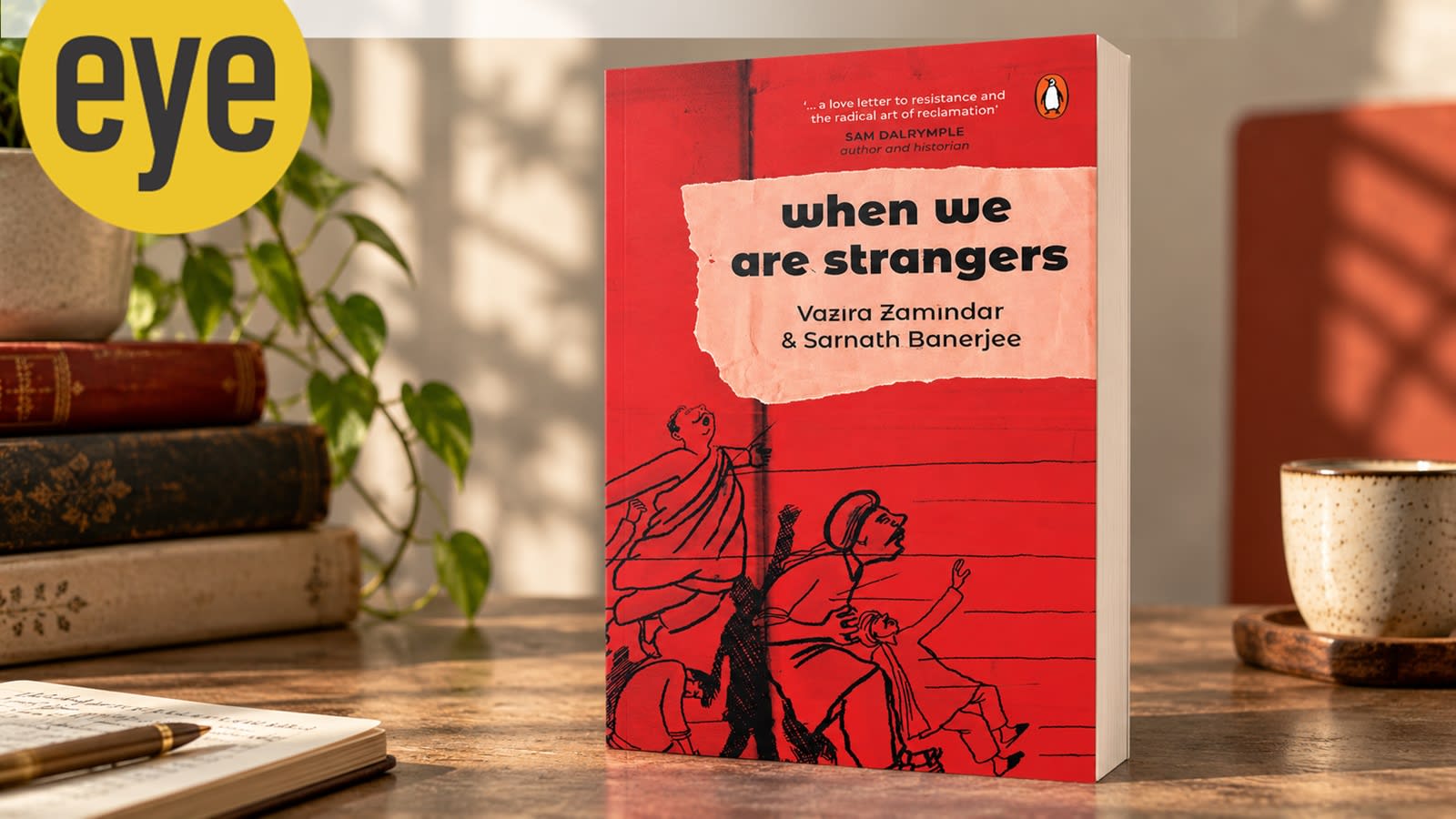
The graphic novel 'When We are Strangers' explores themes of non-violence and unity through the eyes of two young protagonists during the 1946 Calcutta riots. It highlights the philosophies of Mahatma Gandhi and Khan Abdul Ghaffar Khan amidst a backdrop of colonial resistance.
A Visual Narrative of Resilience and Resistance
The graphic novel When We are Strangers offers a poignant examination of the 1946 Calcutta riots, a period defined by intense communal strife and the crumbling foundations of colonial rule. By centering its narrative on an unusual friendship, the work seeks to humanize a historical epoch often reduced to geopolitical statistics. The story begins with a daring act of subversion: stealing back from the colonial rulers what had been systematically extracted, framing the struggle for independence not just as a political movement, but as a reclamation of dignity.
Philosophical Foundations: Gandhi and Bacha Khan
At the heart of the narrative lie the figures of Mahatma Gandhi and Khan Abdul Ghaffar Khan, also known as Bacha Khan. The novel foregrounds their shared commitment to non-violence and a 'living faith in God.' Bacha Khan’s role as the leader of the Khudai Khidmatgar movement—a non-violent resistance organization among the Pathans—serves as a crucial thematic pillar. By weaving these historical giants into the fictionalized lives of the protagonists, the book effectively bridges the gap between high-level political philosophy and the lived realities of those caught in the crossfire of communal violence.
The Human Element: Sita and Mahmud
While the historical figures provide the ideological framework, the story’s emotional weight is carried by Sita, a devotee of Gandhian principles, and Mahmud, a student at Khan’s Azad School. Their interaction serves as a microcosm of the potential for unity during a time of extreme polarization. Through their eyes, the reader experiences the tension between the idealistic vision of a non-violent India and the harsh, chaotic reality of the 1946 riots. Their journey represents the 'lost dream' of communal harmony that the title alludes to, emphasizing that friendship in times of hatred is, in itself, a revolutionary act.
Aesthetic Choices and Narrative Simplicity
In terms of artistic execution, the novel adopts a monotone palette and a minimalist visual style. While some modern readers accustomed to the maximalist aesthetics of Manga, Marvel, or DC comics might find this approach understated, the simplicity is a deliberate choice. It allows the focus to remain squarely on the dialogue, the internal conflict of the characters, and the stark contrast between the physical presence of the lead figures—comparing Gandhi’s slight build to Khan’s imposing stature. This visual restraint mirrors the austerity of the non-violent struggle they preached.
Historical Significance and Future Trends
As a graphic novel, When We are Strangers contributes to an emerging trend of using the medium to explore complex South Asian historical narratives. By moving away from purely academic accounts, it makes the nuances of the pre-independence era accessible to a new generation. The work suggests that visual storytelling is an essential tool for preserving the memory of the 1946 riots, ensuring that the lessons of non-violence and inter-community solidarity are not lost to time. It stands as a testament to the idea that even in the most fractured periods of history, individual bonds of humanity remain the most enduring, if often forgotten, narrative.