White House moves to block $810 million in funding through pocket rescission
Source Entity
US Top News and Analysis
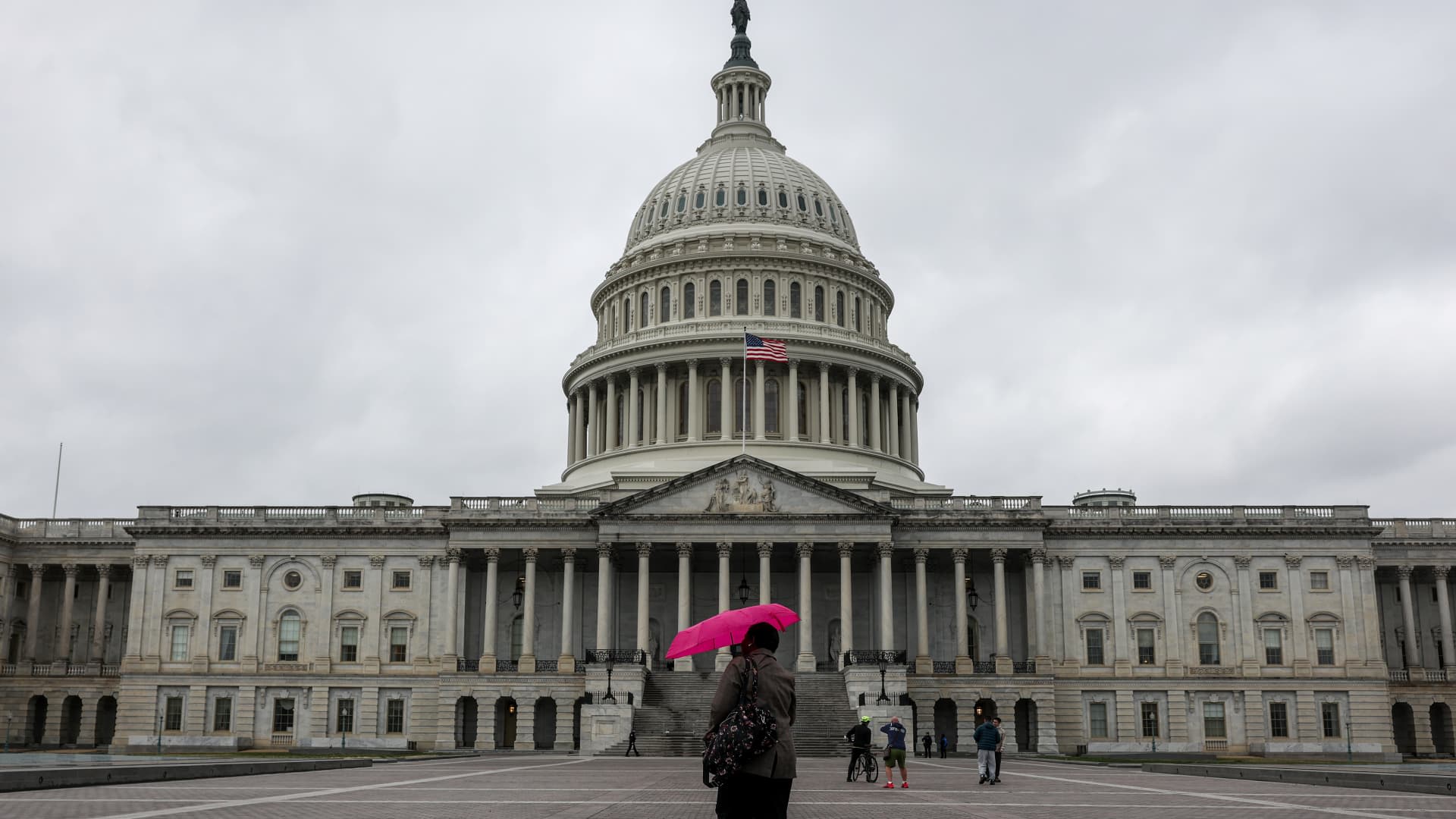
The White House is utilizing a pocket rescission to block $810 million in appropriated funds just before the fiscal year concludes. This maneuver, which limits congressional oversight, has sparked significant criticism from lawmakers citing historical precedents.
The Resurgence of the Pocket Rescission
The White House has initiated a strategic fiscal maneuver by moving to block $810 million in congressionally appropriated funding. This action, taken just days before the conclusion of the fiscal year, utilizes the controversial mechanism known as a "pocket rescission." By acting with such proximity to the fiscal deadline, the administration effectively curtails the legislature's ability to respond, creating a significant point of tension between the executive and legislative branches of the U.S. government.
Understanding the Impoundment Control Act
At the heart of this legal and political dispute is the Impoundment Control Act (ICA). The White House has explicitly cited the ICA as the legal foundation for its current actions. Historically, the ICA was enacted to prevent presidents from unilaterally withholding funds that Congress had already earmarked for specific projects. However, the current administration’s interpretation suggests that the executive branch maintains the authority to claw back funds under specific conditions, leading to a direct clash with traditional interpretations of congressional spending power.
Historical Context and Precedent
The current action is not an isolated incident but rather part of a broader trend of executive assertion over budgetary matters. Only a year ago, the Trump administration utilized a similar tactic to block $4.9 billion in foreign aid. That event was particularly notable as it represented the first time in approximately five decades that a president had attempted to invoke such authority. By repeating this maneuver, the administration is signaling a shift in the balance of power, challenging the long-standing norms that have governed federal spending for the last half-century.
The Mechanics of the Maneuver
The "pocket rescission" is inherently designed to exploit the timeline of the federal budget cycle. Under standard procedures, Congress is afforded a 45-day window to consider presidential requests to rescind funding. When a request is submitted at the very end of the fiscal year, the funds risk expiring before that 45-day period can be fully realized by the legislative body. This effectively bypasses the deliberative process, allowing the executive to exert control over the purse strings in a way that critics argue undermines the constitutional authority of Congress.
Broader Political Implications
The move has drawn immediate and sharp criticism from lawmakers who view this as an overreach of executive authority. The tension highlights a deepening divide regarding the extent to which the executive branch can influence fiscal policy without explicit legislative approval. As the fiscal year closes, the debate over whether the White House is upholding the letter of the law or violating the spirit of the Impoundment Control Act is likely to intensify, potentially leading to future legal challenges or renewed efforts in Congress to tighten oversight on rescission authorities.
Future Trends in Fiscal Oversight
Looking ahead, this maneuver sets a precedent that could permanently alter the relationship between the White House and Congress regarding budget execution. If the use of pocket rescissions becomes a recurring tool of the executive branch, it may force Congress to reform its budgetary procedures to ensure that its appropriations cannot be easily sidelined. The outcome of this $810 million block will likely serve as a benchmark for how future administrations approach the limits of their fiscal authority, shaping the landscape of federal spending for years to come.