Why flights are so expensive and will likely stay that way
Source Entity
US Top News and Analysis
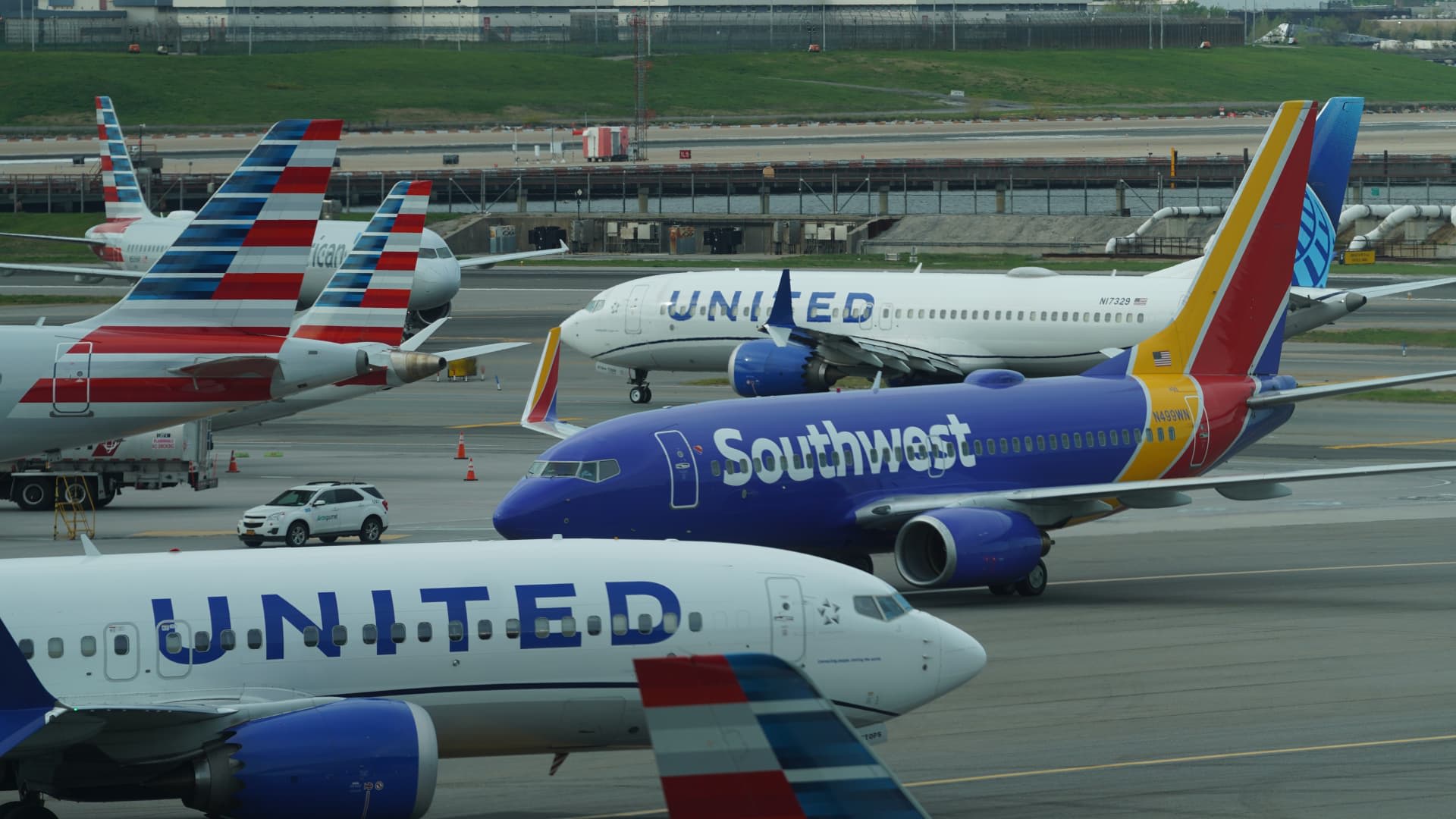
Airfare costs have surged by 26.5% due to rising fuel expenses and sustained consumer demand. Airlines expect these high prices to persist throughout the year as travelers continue to prioritize booking despite the increased costs.
The Persistence of High Airfare: An Economic Overview
Recent federal data indicates a significant shift in the aviation industry, with U.S. airfare prices in June rising by 26.5% compared to the previous year. This dramatic increase is not merely a transient fluctuation but appears to be a structural change in how airlines are managing their operational budgets. At the center of this trend is the volatility of global fuel prices, which have forced carriers to absorb billions of dollars in additional costs, costs that are subsequently passed directly to the consumer.
The Impact of Soaring Fuel Costs
Fuel remains one of the largest and most volatile variable expenses for any airline. With carriers paying billions more this year than in previous periods, the pressure on profit margins is immense. Historically, airlines have often struggled to pass these costs fully onto passengers due to fierce competition; however, the current economic climate has allowed for a unique shift in pricing power. By limiting capacity and managing supply, airlines are successfully offsetting their rising fuel overheads.
Consumer Resilience and Pricing Power
Perhaps the most surprising element of this current aviation cycle is the resilience of consumer demand. Despite the sharp increase in ticket prices, airline executives have reported to Wall Street analysts that booking volumes remain robust. This phenomenon is exemplified by travelers like Marjorie Aran, who noted paying significantly higher prices for domestic flights yet opted to proceed with their travel plans. This behavior indicates that for many, air travel has moved from a discretionary luxury to a non-negotiable expense.
Strategic Shifts in Airline Management
Airline leadership is now operating under the assumption that they can maintain this pricing power for the remainder of the year. By observing that customers continue to book regardless of price hikes, carriers have gained the confidence to move away from the aggressive discount models that defined the pre-pandemic era. This represents a long-term strategic pivot where airlines prioritize yield management over market share volume.
Future Trends and Market Outlook
As we look toward the remainder of the year, the outlook for travelers is one of sustained high prices. The airline industry’s ability to maintain these levels suggests that the 'bargain flight' era may be entering a period of dormancy. Unless there is a significant cooling in fuel costs or a drastic change in consumer spending habits, passengers should anticipate that current fare levels will become the new baseline for domestic and international travel.