Wisconsin, Michigan primaries expose limits of polls and prediction markets
Source Entity
US Top News and Analysis
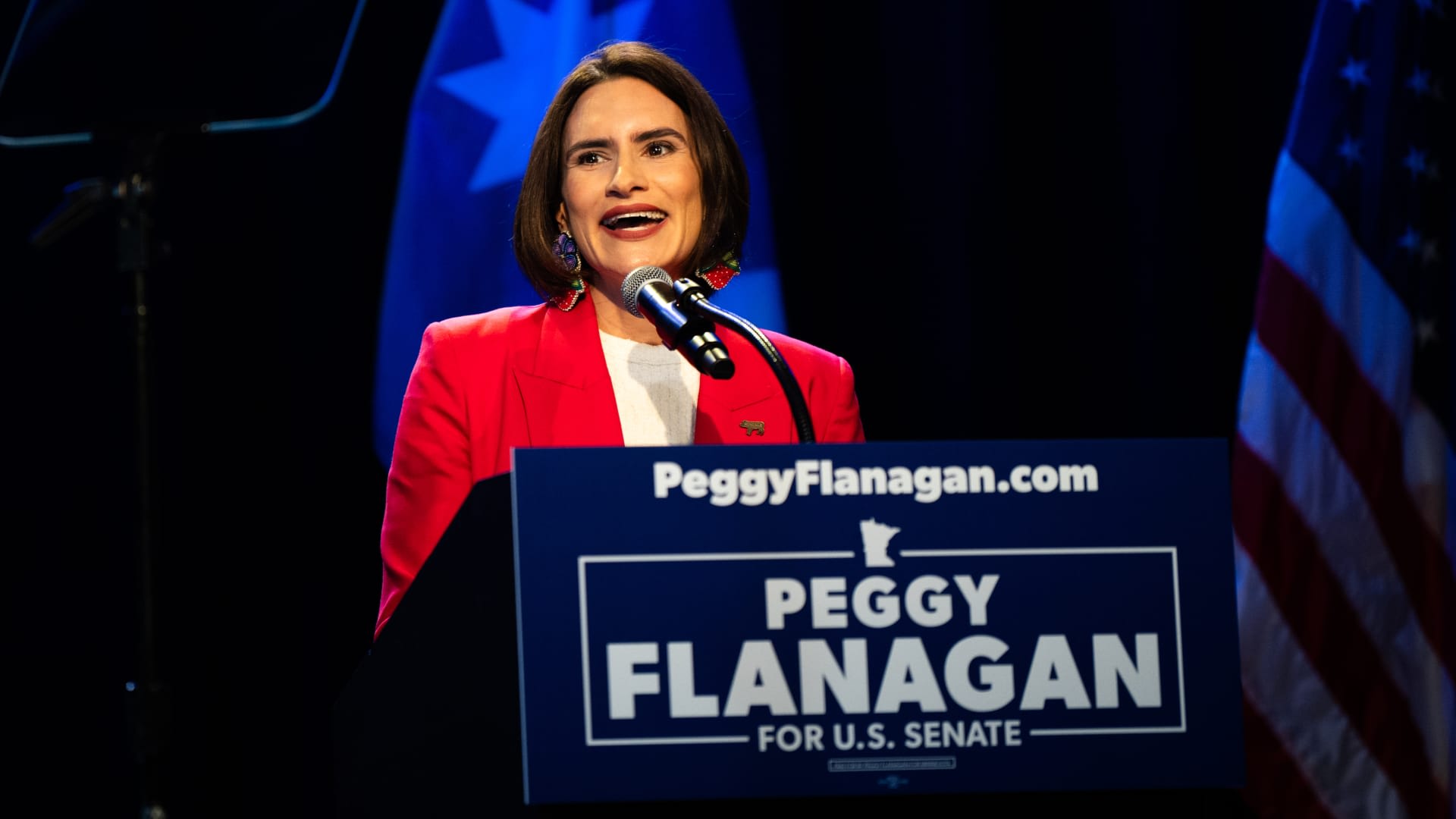
Recent primary results in Wisconsin and Michigan have diverged significantly from polling and prediction market expectations. Analysts suggest that late-campaign volatility and concerns over candidate electability are driving these unpredictable outcomes.
The Erosion of Predictive Accuracy in Modern Primaries
Recent primary election results in Wisconsin and Michigan have sent shockwaves through the political establishment, highlighting a persistent and growing disconnect between traditional polling data, prediction markets, and the actual behavior of the electorate. For the second time in just over a week, these tools failed to accurately forecast the outcomes of Democratic U.S. Senate primaries, signaling that the mechanics of voter mobilization and late-stage decision-making are becoming increasingly opaque to conventional analysts.
The Role of Late-Campaign Volatility
Expert observers, including Kyle Kondik of Sabato’s Crystal Ball, point to the inherent instability of modern primary races as a primary driver of this failure. The rapid pace of news cycles and the influence of social media mean that voters often finalize their decisions in the closing days of a campaign. This "crazy race" environment makes it difficult for pollsters to capture a static snapshot of voter sentiment, as the electorate remains highly fluid until they arrive at the ballot box.
Strategic Cascades and Electability Concerns
One of the most compelling explanations for the recent upsets involves a "contagion effect" between neighboring states. Kondik suggests that the victory of progressive candidate Abdul El-Sayed in the Michigan Senate primary triggered widespread handwringing among Democratic strategists regarding the electability of more left-leaning nominees. This national discourse appears to have created a reactionary shift toward more moderate candidates in Wisconsin, such as Crowley, as voters prioritized perceived general election viability over ideological alignment.
The Risk Profile of Candidates
During the campaign, candidates like Hong found their national profiles expanding, yet this increased visibility was a double-edged sword. Analysts noted that her media appearances failed to alleviate concerns that she would be a "risky nominee" for the Democratic Party. This demonstrates that in the modern primary era, a high media profile does not necessarily translate into electoral success; rather, it can sometimes amplify concerns about a candidate’s weaknesses or their potential to alienate swing voters in a general election.
The Future of Predictive Analytics
As prediction markets and polls continue to miss the mark, the political industry faces a reckoning. The reliance on these metrics for campaign strategy and media narratives is being challenged by a reality where voters are increasingly motivated by late-breaking news and strategic considerations regarding electability. Moving forward, political analysts will likely need to shift their focus toward understanding the psychological triggers that cause late-stage voter swings rather than relying on static polling models.
Conclusion
The events in Wisconsin and Michigan serve as a potent reminder that the American electoral landscape is undergoing a fundamental shift. When prediction tools fail consistently, it suggests that the traditional models of voter behavior are no longer capturing the full complexity of the modern democratic process. Until these models can account for the rapid, volatile shifts in sentiment driven by debates over electability and national profile, uncertainty will remain a defining feature of primary season.