Sophie Cunningham supporters rally outside Liberty-Fever game with 'Save Women's Sports' signs
Source Entity
Latest News: Todays Latest News Headlines from India & World | Hindustan Times | Hindustan Times
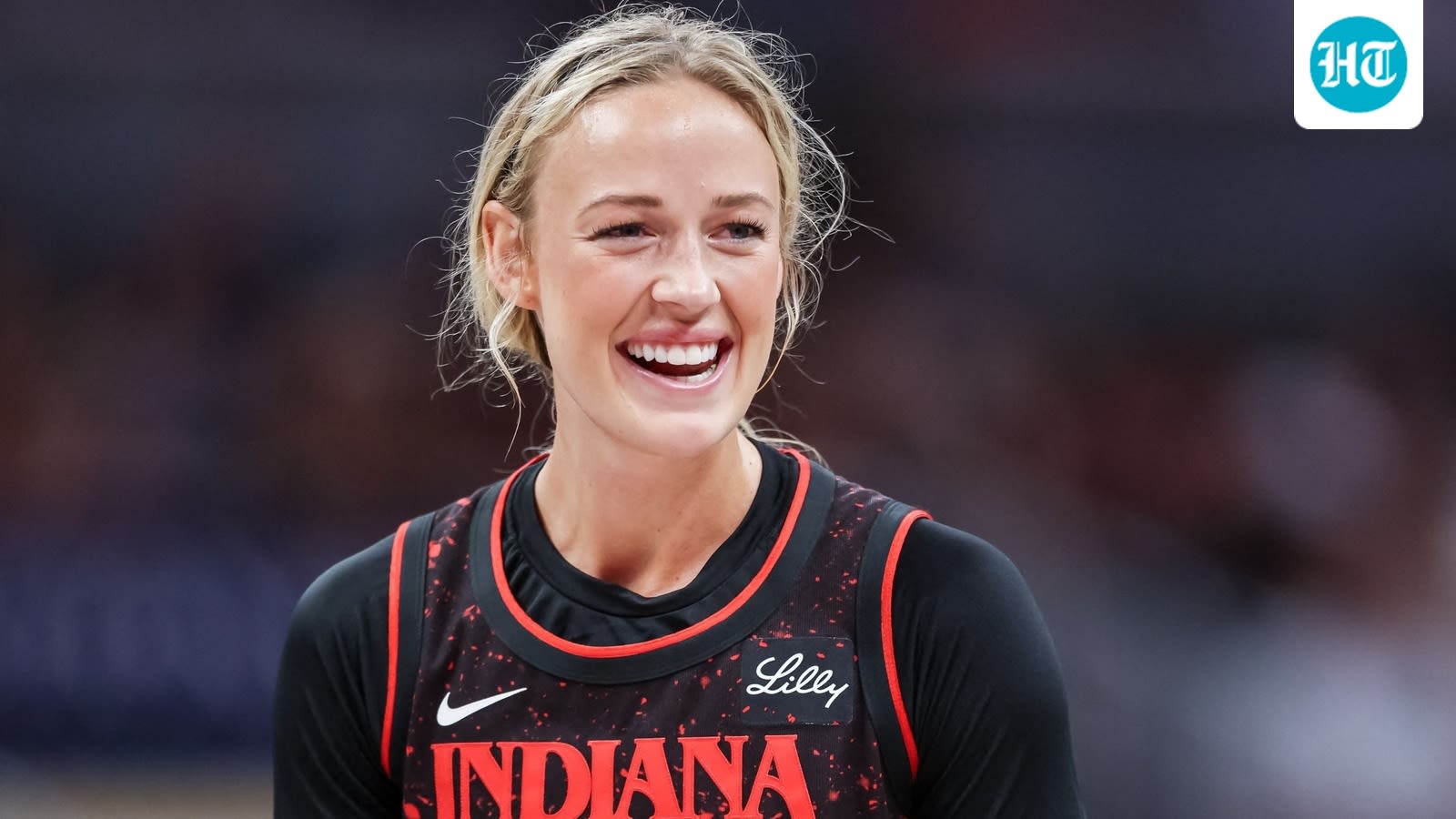
WNBA star Breanna Stewart advocates for arenas to remain safe spaces amidst rising tensions. This follows public protests and debates surrounding Sophie Cunningham’s recent comments on transgender participation in women's sports.
The Intersection of Athletics and Social Discourse
The WNBA has recently found itself at the center of a complex intersection between high-stakes professional athletics and broader cultural debates regarding transgender participation in women’s sports. The recent matchup between the New York Liberty and the Indiana Fever served as a flashpoint for these tensions, highlighting how personal viewpoints expressed by players can quickly manifest as public demonstrations outside of arena venues.
The Catalyst: Sophie Cunningham’s Commentary
The current discourse was reignited by Indiana Fever guard Sophie Cunningham, whose public remarks regarding transgender inclusion in sports prompted a polarized response. While Cunningham has faced significant criticism on social media platforms, she has simultaneously drawn vocal support from segments of the fan base. This dynamic culminated in a physical presence outside the arena, where supporters gathered with 'Save Women's Sports' signage, signaling that the debate has moved firmly from the digital realm into the physical arena of live professional sports.
Breanna Stewart’s Call for Inclusivity
In response to the escalating tension, New York Liberty star Breanna Stewart has publicly advocated for WNBA arenas to remain 'safe spaces' for all fans. Stewart’s intervention underscores the challenge faced by professional leagues in maintaining a neutral, welcoming environment when the personal political stances of players become focal points for external protest groups. Her emphasis on safety reflects a desire to preserve the integrity of the game while navigating the increasingly blurred lines between athlete advocacy and fan experience.
Historical Context and Institutional Challenges
This incident is not isolated but rather part of a growing trend where professional sports leagues are forced to manage intense ideological conflicts. Historically, the WNBA has positioned itself as a league deeply engaged in social justice; however, the question of transgender participation presents a unique challenge that tests the limits of that inclusive mission. Leagues must now balance the freedom of expression for their athletes with the practical necessity of providing a secure and non-hostile environment for a diverse fan base.
Broader Implications and Future Trends
As these debates continue to gain momentum, the WNBA and other organizations will likely face increased pressure to clarify their policies and communication strategies. The presence of organized protests at game venues suggests that public interest in this issue will continue to impact the day-to-day operations of teams. Moving forward, the industry may see a shift toward more formalized protocols regarding fan conduct and player expression to ensure that the primary focus remains on the competitive athletic product while still respecting the underlying social values of the league’s community.
Conclusion
The situation involving the Liberty and the Fever highlights the evolving landscape of modern sports, where the stadium serves as both a field of play and a stage for societal debate. As players like Breanna Stewart advocate for safety and inclusivity, the league remains tasked with navigating these turbulent waters. The ability of the WNBA to manage these conflicting interests will likely set a precedent for how other professional organizations handle high-profile social controversies in the future.
Multiple Citing Sources
Verification Required?