Woman beaten to death with stone after objecting to man moving her off road
Source Entity
Sakshi Chand
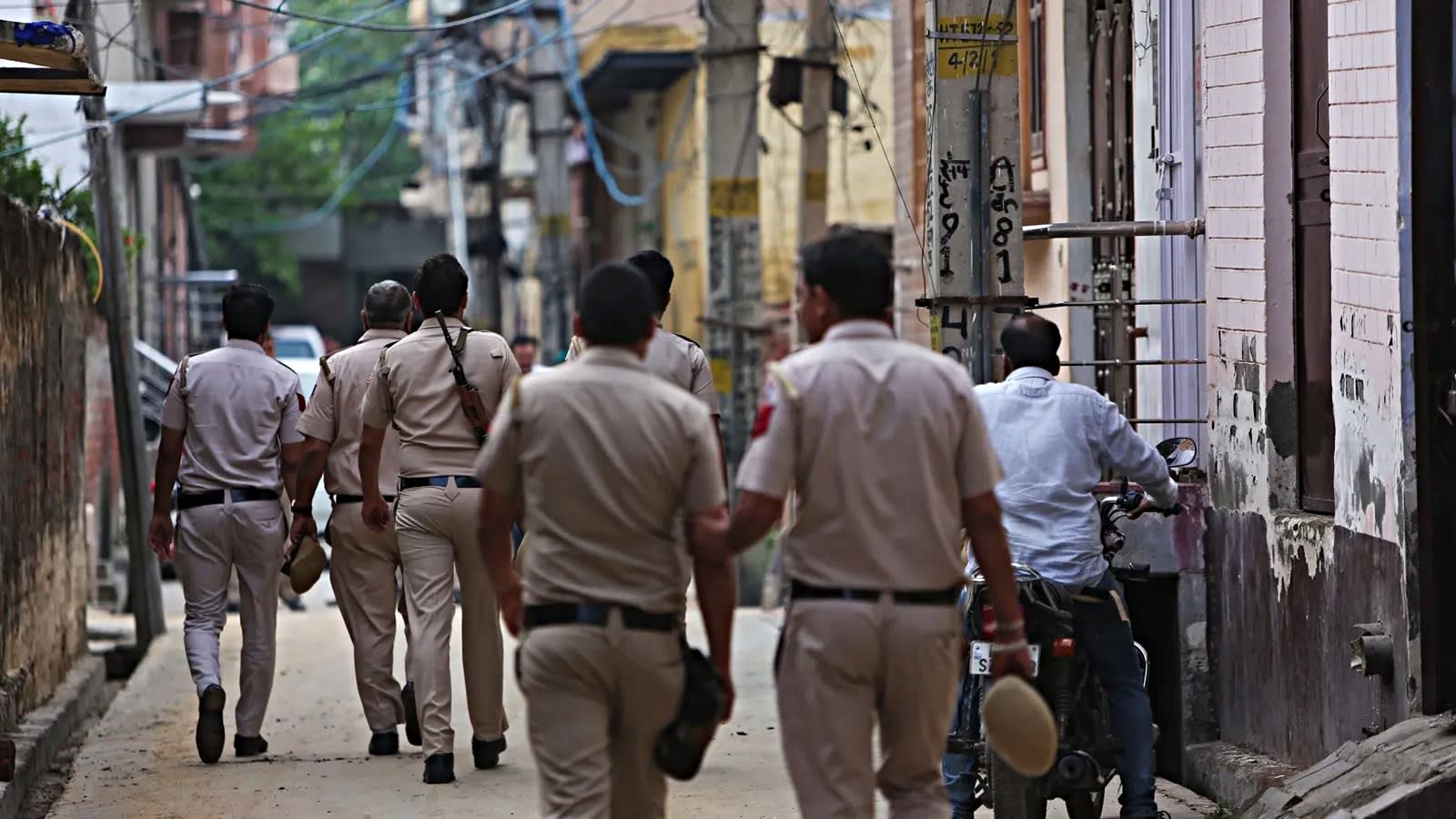
A 40-year-old homeless woman was beaten to death with a stone in North Delhi's Burari area after objecting to being moved by a laborer. The accused, identified as Pramod, has been arrested following a police investigation.
Violent Tragedy in North Delhi
A tragic incident occurred in the Burari area of North Delhi on the night of November 7, where a 40-year-old homeless woman was brutally killed. The victim, who had been lying on the roadside in an inebriated state, was allegedly targeted by a 36-year-old laborer named Pramod Singh. According to police reports, the altercation began when the suspect attempted to move the woman from the roadside to a nearby vacant plot, and she resisted his physical contact.
The Sequence of Events
Following the woman's objection to being touched, the suspect reportedly used a stone to beat her to death. The gravity of the crime came to light on the morning of November 8, when the victim's body was discovered near the vacant plot. Local shopkeepers, who had observed the woman in an unstable condition on the roadside prior to the incident, played a pivotal role in providing initial information to the investigators.
Investigation and Arrest
Following the discovery of the body, Delhi Police launched a comprehensive investigation, which included the review of local CCTV footage and the solicitation of witness accounts. These efforts led to the identification and subsequent arrest of the accused, Pramod Singh, on November 13. While initial reports contained slight discrepancies regarding the victim's age, the investigation successfully established the timeline and the nature of the confrontation.
Broader Implications of Urban Vulnerability
This incident highlights the extreme vulnerability of homeless individuals living in urban centers. Often invisible to the general public, individuals in such states are at a heightened risk of targeted violence. The fact that the victim was in an inebriated state further complicated her ability to defend herself or seek assistance, underscoring the need for better social safety nets and outreach programs for the unhoused population in metropolitan areas like Delhi.
Addressing Public Safety and Legal Accountability
The swift action taken by the Delhi Police in identifying and arresting the suspect serves as a necessary step toward justice. Crimes of this nature, particularly those involving extreme violence against marginalized individuals, underscore the importance of robust community policing and surveillance in high-traffic or neglected urban zones. The legal proceedings against the accused will now proceed, serving as a critical measure of accountability for this senseless act of violence.
Conclusion
The murder in Burari is a stark reminder of the safety challenges faced by vulnerable populations in dense urban environments. As the investigation concludes and the legal process begins, the case emphasizes the necessity of both improved monitoring of public spaces and increased support systems for those without permanent shelter to prevent such tragedies from recurring in the future.