Musk went to “war,” sought jail time for X ad boycotts—but case ends with a whimper
Source Entity
Ashley Belanger
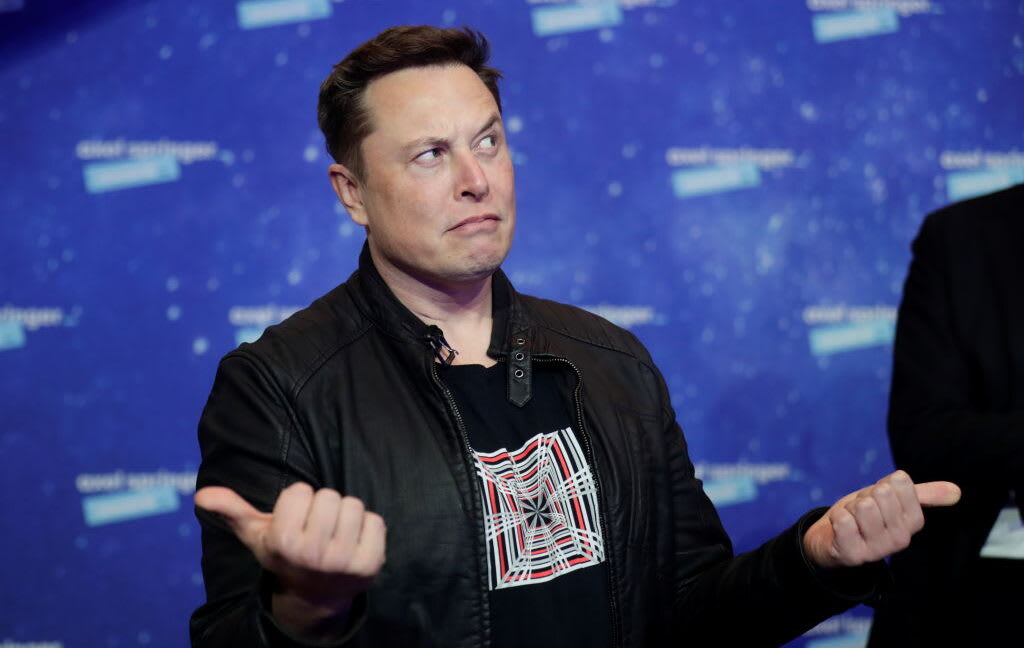
Elon Musk's X has settled its legal dispute with the World Federation of Advertisers regarding alleged ad boycotts. The agreement marks an end to the aggressive litigation initiated by X following significant revenue declines post-takeover.
The End of a High-Stakes Legal Confrontation
Elon Musk’s social media platform, X, has officially reached a settlement with the World Federation of Advertisers (WFA), effectively concluding a contentious multiyear legal battle. This dispute originated in 2024 when X filed a lawsuit accusing the WFA of orchestrating a 'systematic illegal boycott' of the platform. The legal action followed a period of severe financial turbulence for X, which saw its advertising revenue plummet by approximately $1.5 billion by the end of 2023, following Musk’s $44 billion acquisition of the company in 2022.
Origins of the Conflict: Brand Safety vs. Platform Autonomy
The core of the conflict centered on the Global Alliance for Responsible Media (GARM), an initiative under the WFA. Following Musk’s takeover, numerous major corporations—including Mars, CVS Health, Shell, and Lego—reduced or ceased their advertising spending on the platform. These brands cited concerns over 'brand safety,' a standard industry practice where advertisers curate the environments in which their ads appear to avoid association with controversial content. X, however, viewed these collective actions as a coordinated effort to suppress the platform’s financial viability, leading to Musk’s declaration of 'war' against the participants.
From 'War' to Reconciliation
Musk’s approach to the boycott was notably aggressive, characterized by combative rhetoric and threats of criminal prosecution against those he labeled 'perpetrators and collaborators.' This included his infamous public retort to advertisers who pulled their spending, telling them to 'go f*** yourself' during a public interview. The lawsuit represented an attempt to use the judicial system to force advertisers to maintain their commercial relationships with X, arguing that the boycott amounted to a racketeering scheme. The transition from such high-octane public hostility to a quiet settlement suggests a strategic pivot by X to mend fractured relationships with the advertising community.
Legal Hurdles and Judicial Skepticism
The legal path was far from smooth for X. In March, a federal court dismissed the initial lawsuit, with the presiding judge indicating that the claims lacked the necessary legal weight to proceed as a racketeering case. This judicial setback likely forced a reevaluation of the company’s scorched-earth legal strategy. By settling, both X and the WFA are putting the litigation involving GARM behind them, signaling a mutual desire to move forward rather than continuing an expensive and potentially futile court battle that had already faced significant skepticism from the bench.
Broader Implications for Social Media Advertising
The settlement highlights the delicate balance of power between social media giants and the global advertising industry. For years, platforms have relied on programmatic advertising as a primary revenue stream, but the 'brand safety' movement has empowered advertisers to exert significant influence over platform policies. By settling, X acknowledges that it cannot legally compel corporations to spend their marketing budgets on the platform. The 'reset' in the relationship suggests that X may be looking to regain credibility with major brands by shifting away from litigation and back toward a more traditional, albeit challenging, commercial negotiation strategy.
Future Outlook for X
The future of X’s advertising model remains uncertain as it attempts to recover from a $1.5 billion revenue decline. While the settlement removes the immediate friction of the lawsuit, the platform must still contend with the underlying brand safety concerns that originally triggered the boycott. Whether this 'reset' will lead to a meaningful return of major advertisers remains to be seen, but the move indicates a necessary de-escalation that could stabilize the company’s reputation with corporate partners moving forward.