Expert Explains | How India and China’s differing approaches to talks may hinder boundary resolution
Source Entity
The Indian Express
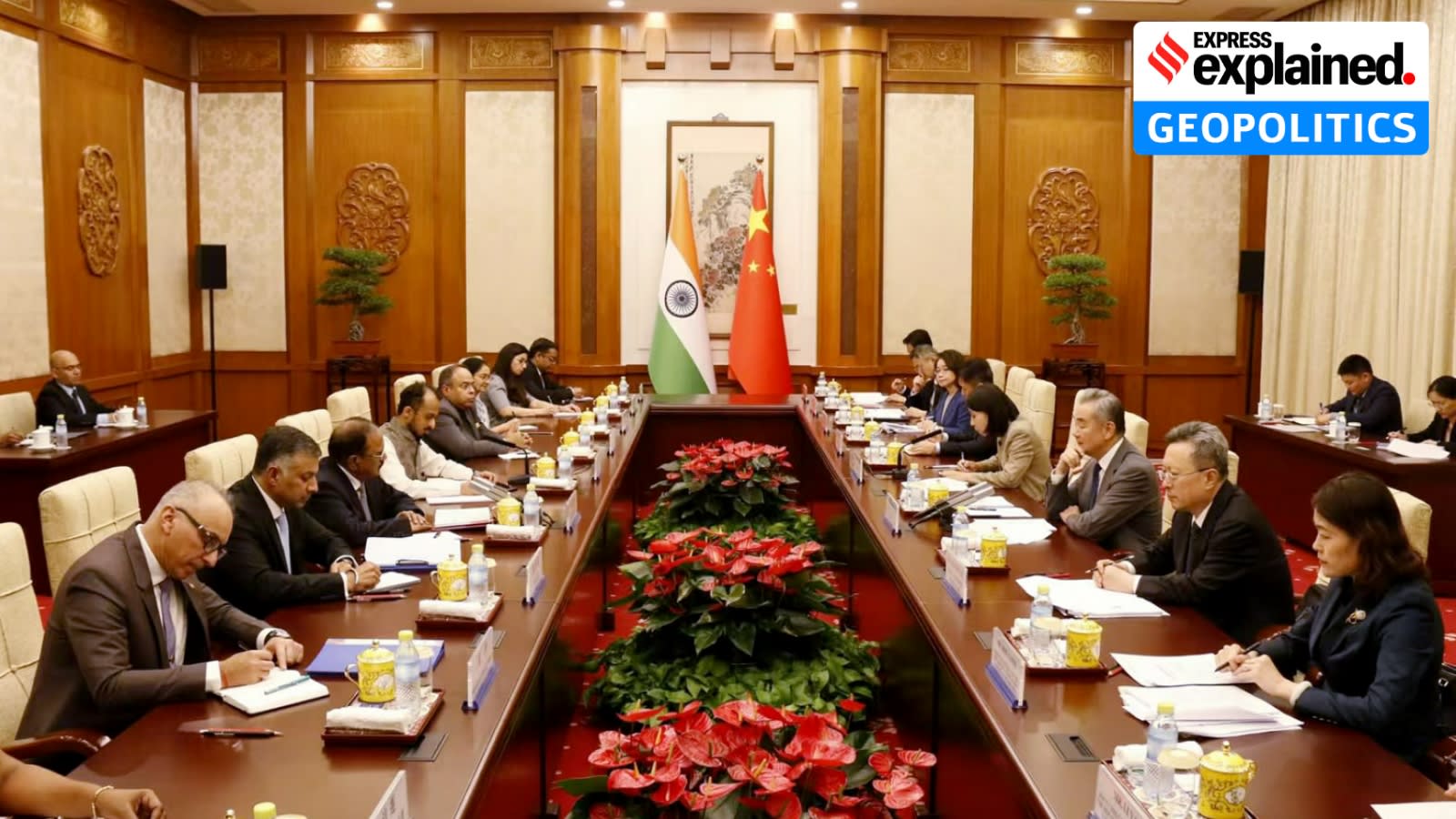
Chinese President Xi Jinping is expected to visit New Delhi for the 2026 BRICS summit, marking his first trip to India in seven years. This potential visit follows high-level diplomatic talks between NSA Ajit Doval and Foreign Minister Wang Yi aimed at resolving border disputes. The development signals a significant effort to normalize relations after the 2020 Galwan clashes.
A New Chapter in Sino-Indian Relations: The 2026 BRICS Summit
The Significance of the Potential Visit
Chinese President Xi Jinping is poised to visit New Delhi for the upcoming BRICS summit scheduled for September 12-13, 2026. This potential arrival would mark his first visit to India in nearly seven years, with his last appearance occurring in October 2019. The timing of this visit is highly symbolic, coming as both nations seek to reset a relationship that has been deeply fractured for years.
The Shadow of the 2020 Galwan Clashes
For the past several years, the bilateral relationship has been defined by the military standoff following the 2020 Galwan Valley clashes. This incident along the Line of Actual Control (LAC) in eastern Ladakh fundamentally altered the strategic calculus between New Delhi and Beijing. The upcoming visit serves as a litmus test for whether the two global powers can move past these military tensions and return to a functional diplomatic dialogue.
Diplomatic Breakthroughs in Beijing
Recent high-level engagements provide a framework for this potential thaw. National Security Advisor Ajit Doval recently met with China’s Foreign Minister Wang Yi in Beijing during the 25th round of talks between Special Representatives. The discussions focused on the critical issue of boundary delimitation and the necessity of maintaining peace and tranquility along the border, suggesting that both parties are prioritizing stability as a prerequisite for high-level summits.
Logistical Preparation and Security
Concrete signs of the visit are already manifesting in New Delhi. Reports indicate that an advance team from China has arrived in India to oversee security and protocol arrangements, including the finalization of hotel accommodations. The expected arrival of a large delegation, consisting of government officials, business leaders, and state-backed media, underscores the scale and importance China is placing on this diplomatic engagement.
Broader Implications and Future Trends
If the visit proceeds, it will likely act as a catalyst for broader economic and diplomatic cooperation. By focusing on "transboundary cooperation" and reinforcing peace efforts, both nations are signaling a desire to de-escalate tensions that have hindered regional integration. The success of this summit could pave the way for a more stable, albeit cautious, era in India-China relations, directly impacting the collective future of the BRICS bloc.
Multiple Citing Sources