The world has a new plan to save nature, but it still needs the money
Source Entity
Kenza Bryan, Financial Times
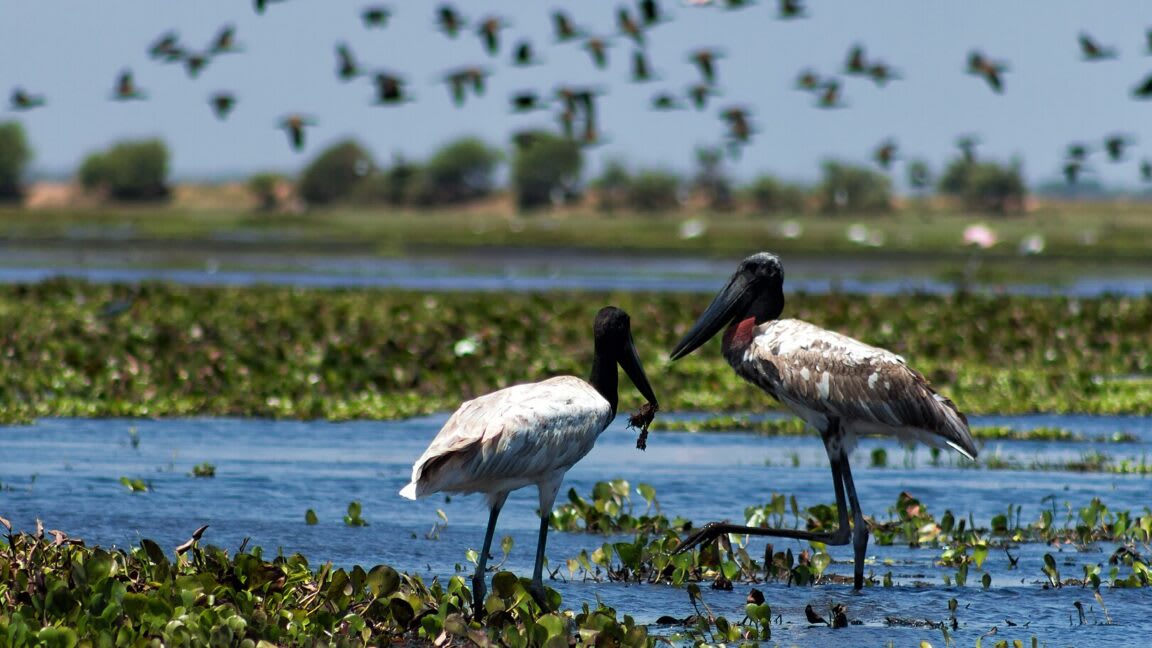
Global leaders at the COP17 biodiversity summit in Yerevan acknowledged that current conservation efforts are insufficient to meet 2030 targets. The newly adopted Yerevan Pathway seeks to accelerate progress, though the critical issue of inadequate financing remains a major obstacle.
The Yerevan Pathway: A Last-Ditch Effort for Global Biodiversity
At the recent COP17 biodiversity summit held in Yerevan, Armenia, representatives from nearly 200 nations confronted a stark reality: the world is currently off-track to meet its ambitious 2030 conservation targets. Four years after the establishment of the Kunming-Montreal Global Biodiversity Framework, which aimed to protect 30% of the world’s land and seas by 2030, the consensus among delegates is that progress has been dangerously slow. The summit concluded with a sobering recognition that without a radical shift in pace, these vital ecological goals will remain out of reach.
Addressing the Financing Gap
The most significant hurdle identified during the two-week summit is the persistent inadequacy of global financing. While the framework provides a robust roadmap for ecological preservation, the capital required to implement these changes has not materialized at the necessary scale. Conservation efforts are inherently expensive, requiring massive investments in land management, sustainable infrastructure, and the protection of endangered habitats. The Yerevan summit highlighted that political will, while present, is currently disconnected from the fiscal realities required to execute large-scale environmental restoration.
The Yerevan Pathway: A Strategic Pivot
In response to the stagnation, delegates agreed upon the 'Yerevan Pathway,' a strategic plan designed to accelerate conservation efforts before the next summit in Ecuador. This initiative serves as a bridge, aiming to streamline international cooperation and focus on the most critical '30 by 30' objectives. By formalizing this path, nations are attempting to create a more structured, granular approach to implementation, moving away from broad declarations toward actionable, time-bound milestones that can be measured before the 2026 gathering.
Global Implications and Ecological Stakes
The failure to meet the 2030 goals would have profound implications for global biodiversity, food security, and climate resilience. Ecosystems provide essential services—ranging from carbon sequestration to water purification—that are currently being degraded at an unsustainable rate. The Yerevan Pathway is not merely a bureaucratic exercise; it is an attempt to preserve the natural capital that underpins the global economy and human survival. The urgency expressed in the final overnight session underscores that the window for meaningful intervention is rapidly closing.
Looking Toward Ecuador 2026
As the international community pivots toward the next summit in Ecuador, the focus must shift from setting targets to securing tangible financial commitments. The Yerevan Pathway provides a framework, but its success will ultimately depend on whether developed and developing nations can bridge the funding divide. The next two years will be a crucial test of whether the global community can translate high-level agreements into the robust, well-funded action required to halt the current decline in global biodiversity.