SP, Cong glorified foreign invaders, ignored Maharaja Suheldev: Yogi
Source Entity
Latest News: Todays Latest News Headlines from India & World | Hindustan Times | Hindustan Times
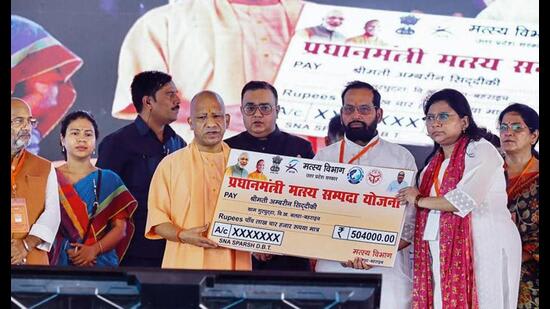
UP Chief Minister Yogi Adityanath has accused opposition parties of ignoring historical figures like Maharaja Suheldev in favor of foreign invaders. The statement came during the inauguration of development projects worth ₹352 crore in Bahraich.
The Politics of Historical Recognition in Uttar Pradesh
Chief Minister Yogi Adityanath recently utilized a public forum in the Bahraich and Shravasti districts to launch a pointed critique against the Congress and the Samajwadi Party (SP). By asserting that these parties historically glorified foreign invaders while sidelining local legends like Maharaja Suheldev, Adityanath is tapping into a broader ideological project aimed at re-evaluating the historical narrative of Uttar Pradesh. This rhetoric serves to position his administration as the true guardian of regional pride and cultural heritage, contrasting his governance with the past policies of his political rivals.
The Significance of Maharaja Suheldev
Maharaja Suheldev, a legendary king often associated with the 11th-century victory over the army of Ghazi Saiyyad Salar Masud, occupies a significant place in the cultural landscape of the Terai region. For the current administration, reclaiming his legacy is not merely a historical exercise but a strategic move to foster a sense of local identity. By emphasizing that the first honors of independent India should have been reserved for such figures, the Chief Minister is challenging the established post-independence political discourse that he characterizes as neglectful of indigenous heroes.
Infrastructure as a Vehicle for Ideology
This critique was delivered during the inauguration and foundation stone-laying ceremony for 70 development projects totaling over ₹352 crore. The integration of political messaging with developmental milestones is a hallmark of the current administration's strategy. By tying the restoration of historical legacy directly to tangible infrastructure improvements in the Mahsi and Nanpara constituencies, the government attempts to bridge the gap between cultural identity and economic progress, suggesting that true development is inseparable from the recognition of local historical contributions.
Shifting Political Narratives
Adityanath’s comments reflect a persistent effort to redefine the political legacy of Uttar Pradesh. The accusation that opposition parties prioritized foreign figures over local ones is designed to resonate with a specific electoral base that values cultural sovereignty. This narrative seeks to dismantle the influence of the Congress and the SP by painting them as entities that were ideologically disconnected from the region's historical roots, thereby creating a vacuum that the current government aims to fill through state-sponsored historical commemoration.
Broader Implications and Future Trends
Looking ahead, this trend of 'historical reclamation' is likely to continue as a central pillar of regional politics. As the government continues to fund development projects alongside efforts to spotlight figures like Suheldev, we can expect to see further attempts to institutionalize these narratives in education, public monuments, and state-led celebrations. The intersection of economic development and historical revisionism remains a powerful tool in the political arsenal, serving to both mobilize the electorate and reshape the collective memory of the state.
Conclusion
In summary, the Chief Minister’s visit to Bahraich serves as a microcosm of the current political environment in Uttar Pradesh. By leveraging the dual approach of infrastructure development and the elevation of local historical icons, the government is actively working to reshape the state's political landscape. Whether this approach effectively shifts long-term voter perceptions remains a subject of intense debate, but it undeniably underscores the importance of historical narrative in modern Indian governance.
Verification Required?