'Things got excessive after divorce': Yuzvendra Chahal opens up on alcohol addiction
Source Entity
AMIT KUMAR
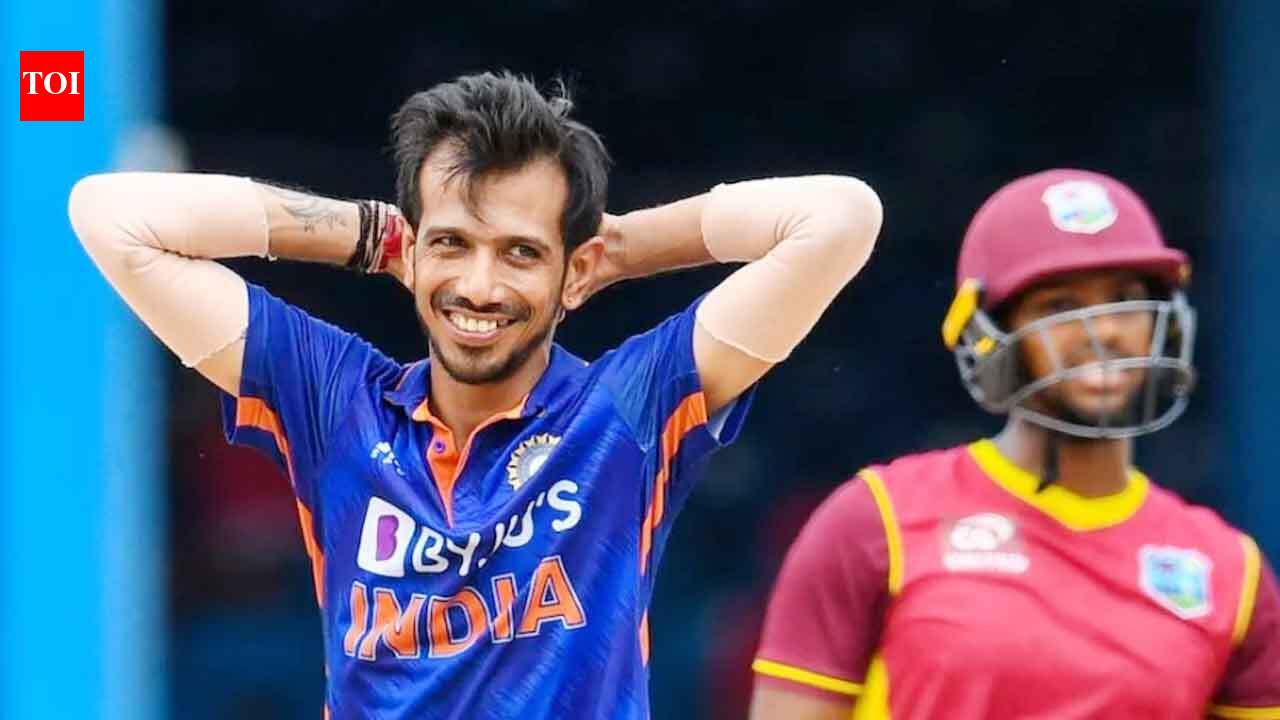
Indian spinner Yuzvendra Chahal has candidly discussed his 2023 ODI World Cup exclusion, his personal battle with alcoholism, and a traumatic past incident involving a teammate. These revelations highlight the immense professional and psychological pressures faced by elite athletes.
The Dual Narrative of Yuzvendra Chahal: Professional Setbacks and Personal Resilience
The 2023 World Cup Snub: Tactical Shifts and Selection Dilemmas
For Yuzvendra Chahal, the 2023 ODI World Cup represented a stark departure from his trajectory as one of India's premier white-ball wicket-takers. Having established himself as a frontline spinner during the 2019 tournament, his exclusion from the 2023 home World Cup squad came as a significant shock to cricket enthusiasts. In a candid conversation with Aakash Chopra, Chahal clarified that the decision was not necessarily a reflection of his individual form, but rather a strategic shift in team composition. Then-captain Rohit Sharma communicated to Chahal that the management prioritized strengthening the team’s batting depth, leading to the selection of an alternate squad structure.
Navigating Professional Displacement
The transition from being an indispensable asset in T20Is to being sidelined for the marquee ODI event underscores the volatility of international cricket selection. Chahal’s career, which saw a decline in ODI appearances after January 2023, reflects the broader challenge of adapting to evolving team philosophies. When management mandates higher batting utility from the lower order, specialized bowlers—even those with high strike rates—often find themselves on the periphery. This reality serves as a reminder that at the highest level, individual brilliance is frequently subservient to the aggregate tactical requirements of the squad.
Confronting Personal Turmoil and Substance Abuse
Beyond the cricket pitch, Chahal’s recent disclosures have shed light on the intense personal struggles that often remain hidden behind the public persona of an international athlete. His admission regarding a battle with alcoholism and subsequent 26-day stay in a rehabilitation center highlights the severe toll that high-pressure environments can take on mental health. By acknowledging that he had "crossed the line," Chahal demonstrates a level of maturity and self-awareness, noting that his journey through rehab has allowed him to handle his emotions more effectively and navigate his personal life with greater stability.
The Shadow of Past Trauma
Adding to the complexity of his journey are revelations regarding a disturbing incident during his 2013 IPL tenure. Chahal recounted a terrifying experience where he was held over a hotel balcony by an inebriated cricketer. This event, characterized by the cricketer's lack of impulse control while heavily intoxicated, serves as a dark backdrop to the glamorous world of franchise cricket. Recounting this incident today reinforces the narrative of Chahal’s resilience, as he has managed to channel his focus back toward his aspirations of an international comeback despite the trauma of his past.
Synthesis and Future Outlook
The convergence of these narratives—the tactical exclusion from the World Cup, the battle with personal health, and the memory of past professional abuse—paints a picture of a cricketer striving for redemption. Chahal’s transparency is not merely an exercise in public relations; it is a testament to the psychological burdens carried by elite performers. As he looks toward the future, his ability to reconcile these professional and personal challenges will be the defining factor in his potential return to the national setup. The broader implication here is the growing importance of mental health support systems within sports, ensuring that players have the resources to handle the intense scrutiny and internal pressures that accompany professional success.