Zelenskyy warns Ukraine is 'not real estate' as experts say a Russia peace deal remains elusive
Source Entity
US Top News and Analysis
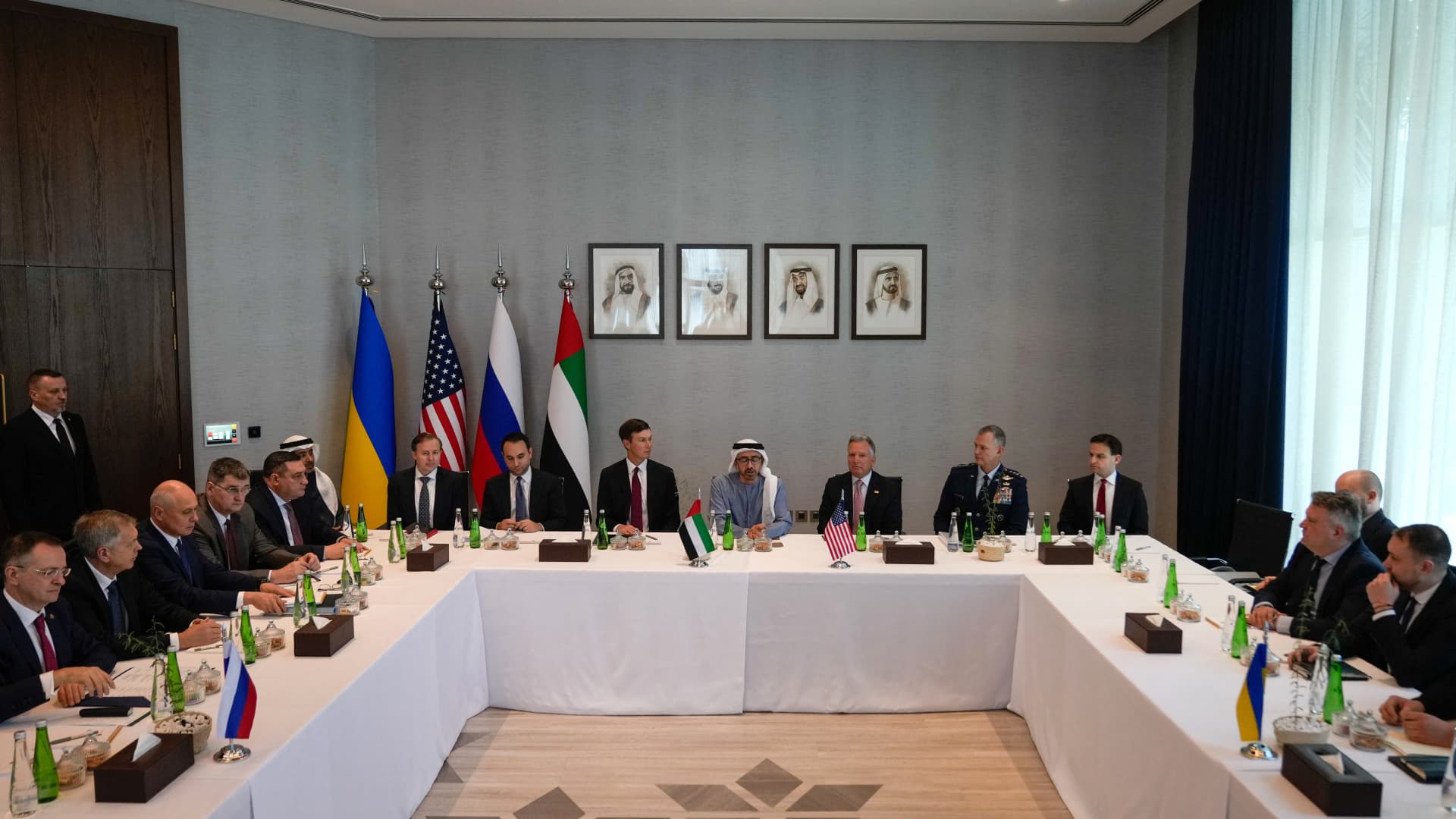
Ukrainian President Volodymyr Zelenskyy has signaled a potential window for peace talks before 2027 while emphasizing that Ukraine's sovereignty is non-negotiable. Despite U.S.-brokered discussions in Abu Dhabi, experts remain cautious, citing deep-seated disagreements over borders and security.
The Diplomatic Tightrope: Sovereignty vs. Settlement
President Volodymyr Zelenskyy’s recent remarks, characterizing Ukraine as a sovereign nation rather than "real estate," underscore the fundamental tension defining the current U.S.-brokered peace negotiations. As discussions involving U.S. envoys Steve Witkoff and Jared Kushner proceed, the Ukrainian leadership is actively framing the discourse to ensure that territorial integrity is not treated as a mere bargaining chip in a transactional real estate deal. This rhetoric serves as a firm boundary against any potential pressure to cede land in exchange for a cessation of hostilities.
The Abu Dhabi Negotiations and U.S. Involvement
The engagement of U.S. envoys in Abu Dhabi marks a critical phase in the diplomatic effort to find a pathway toward ending the protracted conflict. While Zelenskyy has expressed a degree of cautious optimism regarding the tone of these talks, the gap between Kyiv’s requirements for security guarantees and Moscow’s geopolitical objectives remains vast. The involvement of high-level envoys signals a concerted effort by the United States to facilitate a framework that could theoretically lead to a settlement, though the complexity of the conflict suggests that procedural progress does not equate to immediate peace.
Analyzing the "Window of Opportunity"
Zelenskyy’s assertion that a "window of opportunity" for a breakthrough exists before 2027 provides a timeline for international observers to watch. This specific horizon suggests that the Ukrainian administration recognizes the evolving geopolitical realities and the potential for shifting political landscapes in the West. By setting this temporal goal, the leadership in Kyiv is likely balancing the urgent need for stability with the necessity of ensuring that any eventual agreement is robust enough to prevent future Russian aggression.
Expert Skepticism and the Reality on the Ground
Despite the diplomatic activity, analysts like Mykola Bielieskov of the NGO Come Back Alive maintain a sober outlook. The core issues—specifically the future of Ukraine's borders and the nature of post-war security guarantees—are points of extreme contention that have historically defied easy resolution. Experts argue that the fundamental incompatibility of the two nations' war aims continues to render a near-term, comprehensive peace deal elusive, regardless of the frequency of high-level meetings.
Broader Implications for European Security
The outcome of these negotiations will have profound implications for the architecture of European security. If a breakthrough is achieved, it will likely necessitate a complex system of international oversight and security commitments that extend well beyond the current combatants. Conversely, should these talks fail to bridge the divide, the conflict risks settling into a long-term state of attrition, further straining global economic stability and the unity of the international coalition supporting Ukraine.
Conclusion: A Measured Path Forward
As the diplomatic process continues in Ireland and beyond, the narrative remains one of guarded anticipation. Zelenskyy’s insistence on the sanctity of Ukrainian territory acts as a moral and political anchor, preventing the negotiations from drifting into territory that would undermine the nation’s future. While the "window of opportunity" remains open, the path toward a sustainable settlement is fraught with significant hurdles that require both diplomatic dexterity and a steadfast commitment to the principles of national sovereignty.