Zelenskyy says Starshield speed curbs still in place over 'occupied territories' of Ukraine
Source Entity
US Top News and Analysis
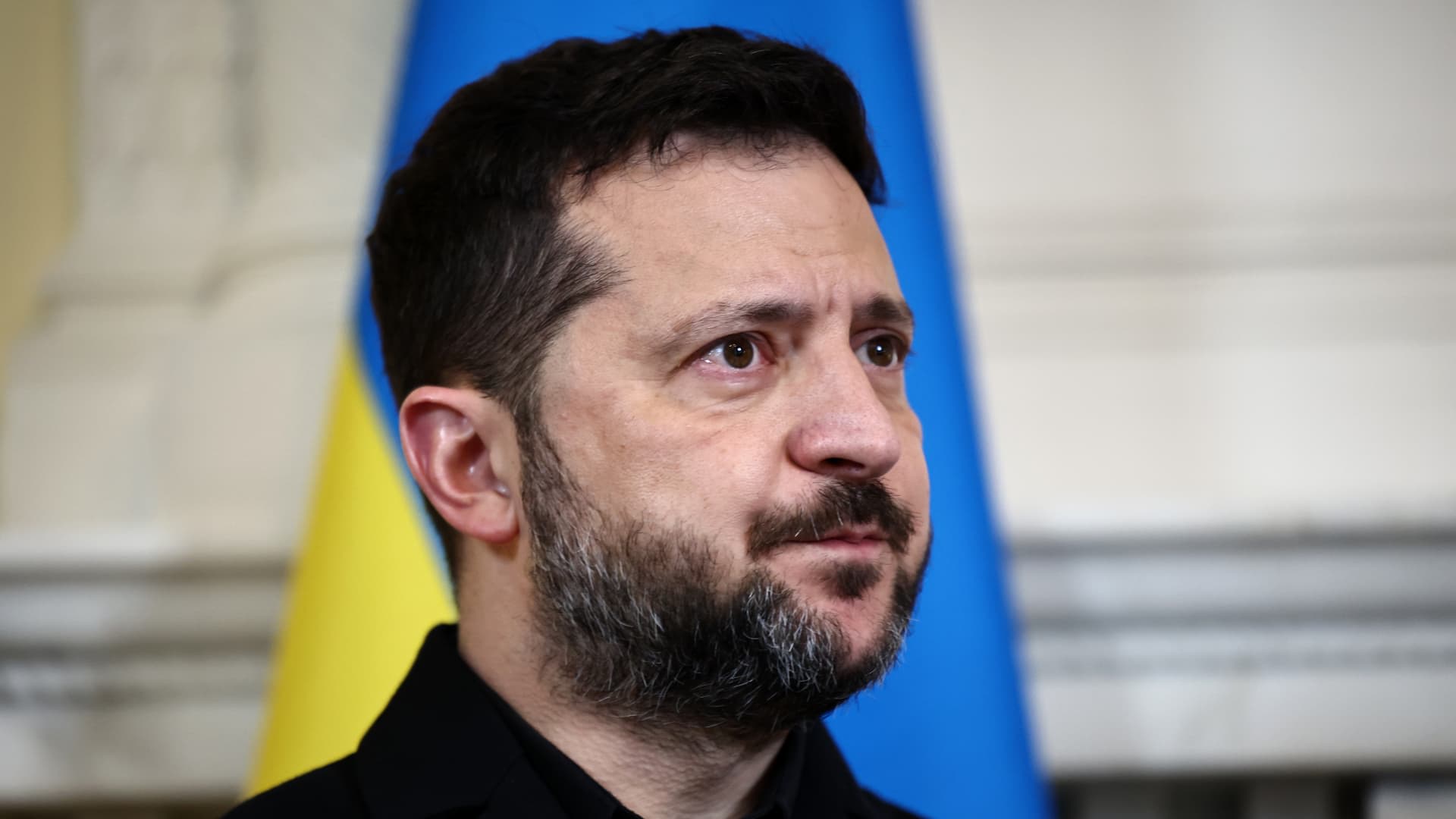
Ukrainian President Volodymyr Zelenskyy has confirmed that Starshield satellite services remain speed-limited in Russian-occupied territories. Kyiv is currently in diplomatic discussions with the U.S. to address these restrictions, which are hindering Ukraine's defensive operations.
The Starshield Dilemma: Connectivity as a Battlefield Asset
Recent statements by Ukrainian President Volodymyr Zelenskyy have brought the critical role of satellite communication in modern warfare to the forefront of international discourse. By confirming that Starshield—the government-focused iteration of SpaceX’s satellite constellation—remains subject to speed limitations within Russian-occupied territories, the Ukrainian government has highlighted a significant friction point in the ongoing conflict. This technical constraint acts as a bottleneck for frontline forces, complicating the coordination of defensive maneuvers and real-time intelligence gathering in contested zones.
Geopolitical Implications of Commercial Tech
The reliance on commercial satellite infrastructure for state-level defense presents a unique geopolitical paradox. While systems like Starshield have revolutionized tactical connectivity for the Ukrainian Armed Forces, they remain subject to the policies and technical configurations dictated by their parent corporation. The ongoing negotiations between Kyiv and the American administration suggest that these speed caps are not merely technical glitches but rather intentional policy-driven boundaries. This raises broader questions about the sovereignty of nations when their defensive capabilities are inextricably linked to private-sector infrastructure.
Operational Challenges on the Frontline
According to Denys Sienik, Ukraine's charge d'affaires to the U.S., these speed restrictions have been active for at least seven days, creating a palpable disadvantage on the battlefield. When bandwidth is throttled, the efficacy of drone operations, command-and-control communications, and artillery targeting—all of which rely on high-speed, low-latency data—is severely diminished. For an army currently engaged in defensive operations against a well-entrenched adversary, these technological limitations effectively create "dead zones" where the Ukrainian military’s situational awareness is degraded.
Historical Context and Strategic Dependency
The integration of satellite internet into the Ukraine conflict represents a paradigm shift in how wars are fought in the 21st century. Unlike previous conflicts where military-grade satellite communications were the sole domain of state actors, the current war has seen an unprecedented reliance on dual-use commercial technologies. This shift has democratized high-tech warfare but has also introduced significant vulnerabilities, as these systems are subject to corporate oversight, regulatory pressures, and the potential for unilateral adjustments by the service provider.
Future Trends in Satellite Warfare
Looking forward, this situation serves as a bellwether for how future conflicts will be managed. Governments worldwide will likely reassess their dependency on private satellite constellations, potentially moving toward developing more resilient, state-owned, or sovereign satellite networks to avoid similar bottlenecks in the future. The ongoing dialogue between Zelenskyy and the American side underscores the necessity for clear protocols regarding the use of private satellite technology in active combat zones, ensuring that technical capabilities align with geopolitical commitments.
Conclusion
Ultimately, the issue of Starshield speed limits is a microcosm of the larger struggle to maintain technological parity in a high-stakes conflict. As Ukraine continues to push for the removal of these restrictions, the resolution of this matter will likely hinge on the delicate balance between commercial risk management and the urgent defensive requirements of a nation under siege. The outcome of these discussions will not only influence the immediate trajectory of the war but will also set a precedent for the role of private technology providers in global security.