Himanta Sarma To Approach Court Over Threat To Gherao Home In Zubeen Case
Source Entity
NDTV News Search Records Found 1000
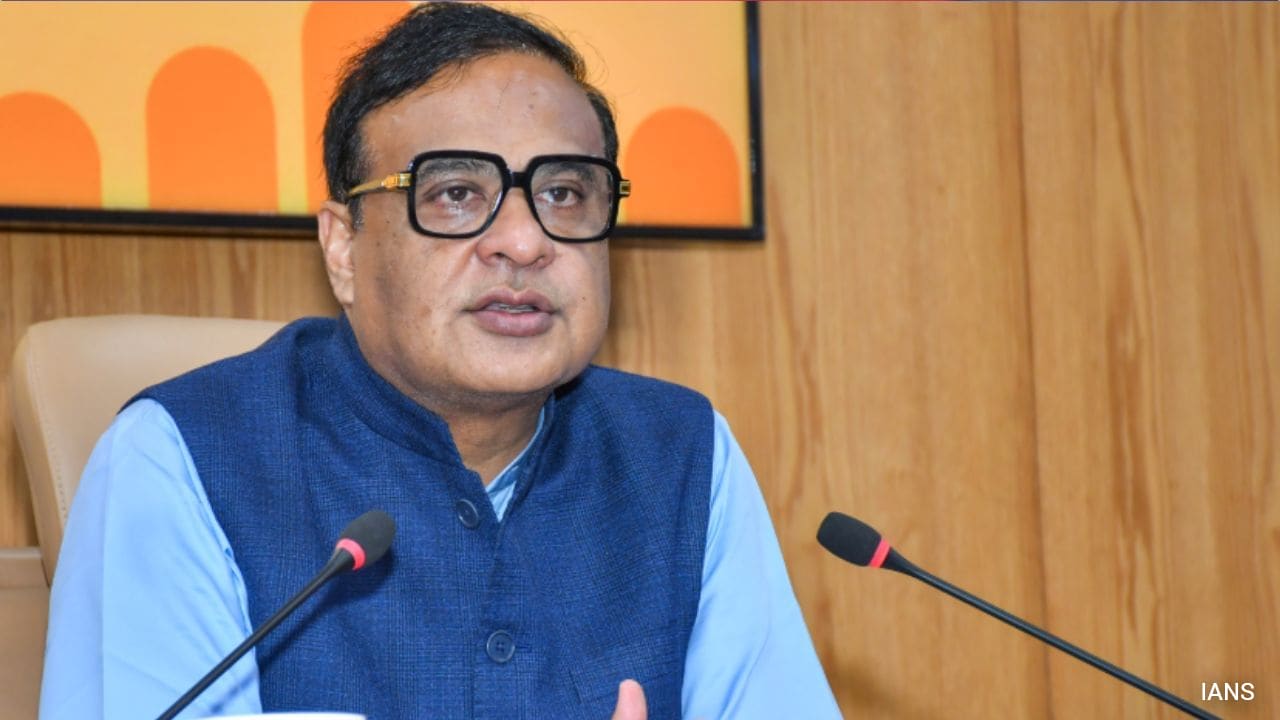
Assam Chief Minister Himanta Biswa Sarma has threatened legal action after a group led by MLA Akhil Gogoi vowed to besiege his residence over the Zubeen Garg death case. The standoff has escalated into a public confrontation, with both sides accusing each other of undermining the judiciary and legal processes.
Tensions Escalate in Assam Over Zubeen Garg Death Case
The political landscape in Assam has reached a fever pitch following a volatile exchange between Chief Minister Himanta Biswa Sarma and Sivasagar MLA Akhil Gogoi regarding the ongoing investigation into the death of Zubeen Garg. Garg, who tragically passed away while swimming off the coast of an island in Singapore on September 19, 2025, has become the center of a high-stakes legal and political battle. Seven individuals, including prominent figures Shyamkanu Mahanta and Siddharth Sharma, have been arrested in connection with the incident, triggering intense public scrutiny.
The Threat of Siege and Security Concerns
On November 6, 2026, Chief Minister Sarma publicly raised alarms regarding a threat issued by the 'Zubeen Garg Nyay Dabi Samiti,' a group led by MLA Akhil Gogoi. The group announced plans to surround the Chief Minister’s private residence should the prime accused in the case be granted bail. Sarma has characterized this threat as a direct danger to his family’s safety, explicitly stating that he intends to bring the matter before the Supreme Court and the Gauhati High Court, labeling the threatened action as an 'attempt to murder.'
Accusations of Contempt and Political Maneuvering
In response to the Chief Minister’s stated intent to involve the judiciary, Akhil Gogoi has mounted a counter-offensive. Gogoi, the president of the Raijor Dal, has accused Sarma of weaponizing the situation to distract from the government's perceived failures in the investigation. Furthermore, Gogoi argues that Sarma’s public rhetoric is an attempt to incite protests against judges and witnesses, which the MLA claims amounts to contempt of court. Gogoi maintains that his organization’s protest is directed solely at the state’s handling of the case rather than the judiciary itself.
Broader Implications for Judicial Independence
This confrontation highlights a dangerous intersection of street-level political agitation and judicial proceedings. By threatening to 'besiege' the residence of a sitting Chief Minister, the protest group has pushed the boundaries of political dissent, prompting a sharp legal response from the state government. Conversely, the Chief Minister’s attempt to frame the protest as an 'attempt to murder' signals a hardening of the state's stance against agitators, raising questions about how far the executive branch can go in utilizing judicial intervention to quell political opposition.
Historical Context and Future Trends
The Zubeen Garg case has become a lightning rod for regional tensions in Assam, reflecting a deeper dissatisfaction with investigative transparency. As the case moves through the court system, the probability of further civil unrest remains high. The reliance on the Supreme Court and Gauhati High Court to resolve this impasse suggests that the judiciary will become the ultimate arbiter, not only of the criminal case itself but of the legal limits of political protest in the state. Moving forward, both the government and the opposition will likely continue to use the legal system as a battleground to secure public sympathy and maintain political leverage.
Multiple Citing Sources
Verification Required?