‘System can’t be honest when you win and rigged when you lose’: 124 ex-bureaucrats defend Election Commission, SIR exercise
Source Entity
Latest News: Todays Latest News Headlines from India & World | Hindustan Times | Hindustan Times
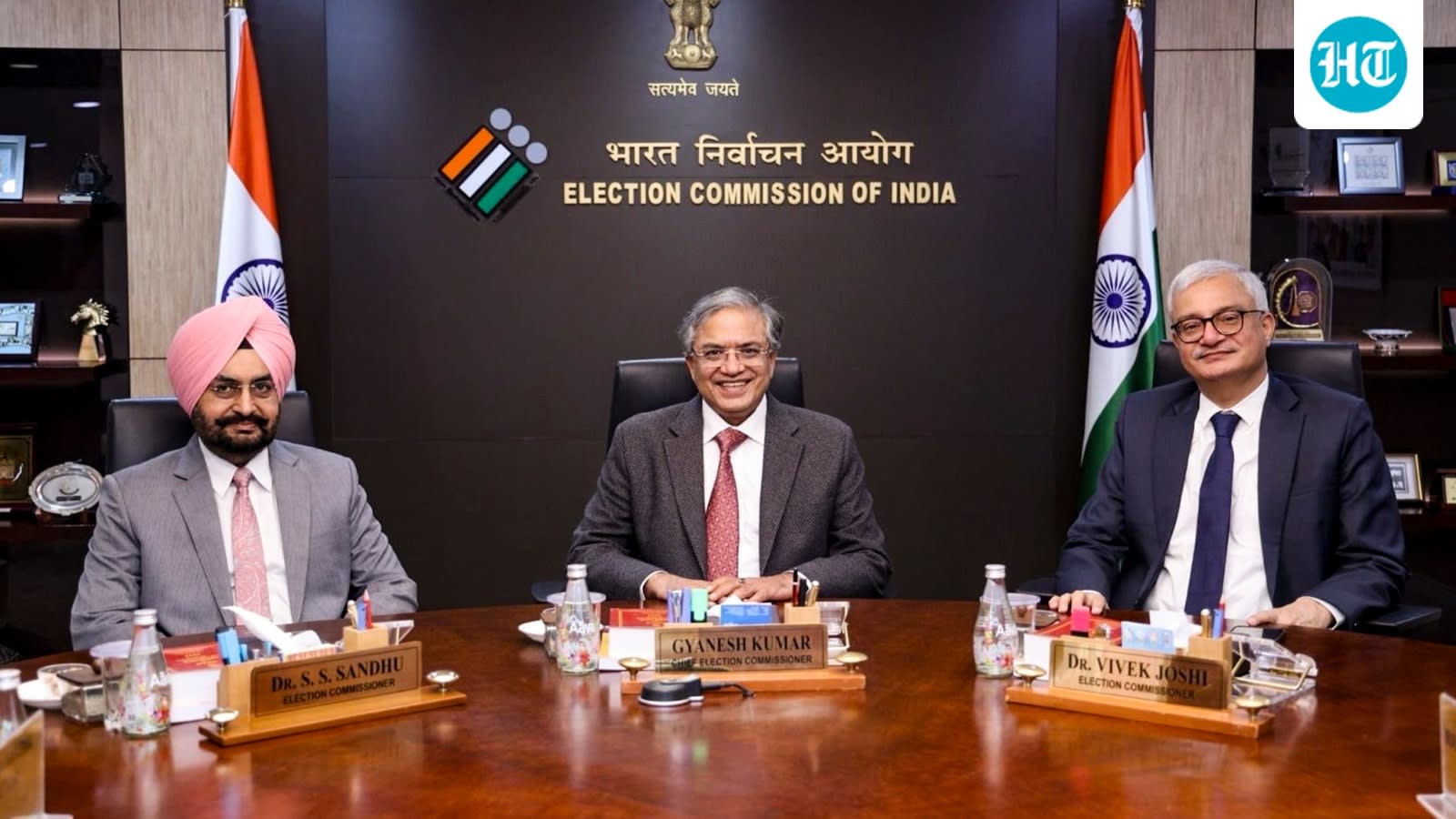
A group of 124 retired Indian bureaucrats and diplomats has issued an open letter defending the Election Commission and the current electoral process. They argue that questioning election results without evidence undermines democratic stability and ignores significant improvements in institutional integrity.
Defending Institutional Integrity: The Stance of 124 Former Officials
In a significant public intervention, 124 former bureaucrats, including retired members of the Indian Administrative Service (IAS) and the Indian Foreign Service (IFS), have released an open letter strongly defending the Election Commission of India (ECI) and the Special Intensive Revision (SIR) process. This collective action serves as a pushback against growing narratives of electoral malpractice, specifically challenging the rhetoric that often labels election outcomes as 'rigged' only when specific parties face defeat.
Challenging the 'Rigged' Narrative
The core of the officials' argument centers on the paradox of democratic participation: the assertion that a system cannot be deemed honest when a candidate wins and simultaneously rigged when they lose. By framing these allegations as lacking 'credible evidence,' the group highlights the potential dangers of delegitimizing electoral outcomes. They caution that such narratives are not merely political posturing but function as a direct threat to public trust in the fundamental pillars of Indian democracy.
From Historical Volatility to Modern Safeguards
To provide context for their defense, the signatories contrast the current electoral environment with India’s historical challenges. They invoke the memory of an era defined by 'booth capturing, ballot box stuffing, and electoral violence.' By positioning these past issues against today’s robust framework, they aim to emphasize the progress made in stabilizing the democratic process through structural reforms.
The Mechanics of Trust
The letter meticulously lists the technical layers of protection that characterize contemporary Indian elections. These include the presence of polling agents, the stringent sealing of Electronic Voting Machines (EVMs), the security protocols surrounding strong-rooms, and the verification process provided by Voter Verifiable Paper Audit Trails (VVPAT). According to the signatories, these multi-layered safeguards are designed to prevent the very irregularities that critics currently allege.
Evidence from the Field: The Bihar Case
As a practical validation of their claims, the officials pointed to the 2025 Bihar Assembly elections. They noted that this specific election cycle recorded the highest voter turnout since 1951, while simultaneously requiring zero re-polling. This data point serves as a cornerstone of their argument, suggesting that the system is not only functional but is actively facilitating higher levels of civic engagement without the systemic failures of the past.
Future Implications for Democratic Discourse
Looking forward, this intervention by former civil servants signals a growing concern among the retired intelligentsia regarding the health of public discourse. By demanding evidence-based critiques rather than broad, unsubstantiated claims of 'vote chori' (vote theft), these officials are advocating for a more disciplined approach to political opposition. Their stance suggests that the future of Indian democracy depends on the ability of political actors to accept electoral outcomes as legitimate, thereby preserving the stability of the institutions that make such elections possible.
Verification Required?