IGP reviews passenger security at Vijayawada railway station
Source Entity
India Latest News: Top National Headlines Today & Breaking News | The Hindu
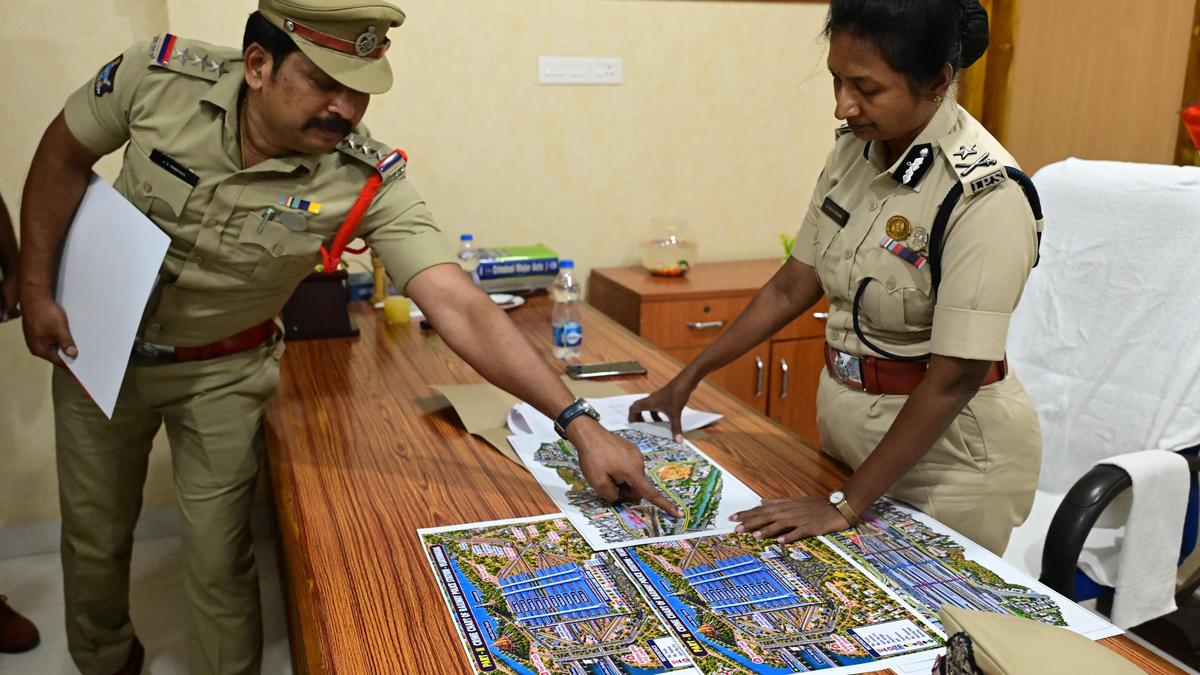
IGP (Railways) B. Raja Kumari conducted a comprehensive security review at Vijayawada railway station. The inspection focused on inter-agency coordination and the efficacy of the station's 190-camera surveillance network.
Enhanced Security Oversight at Vijayawada Railway Station
Inspector-General of Police (Railways) B. Raja Kumari recently conducted a high-level security audit at the Vijayawada railway station, a critical transit hub in Andhra Pradesh. This review, which extended to neighboring stations, serves as a proactive measure to ensure the safety of thousands of daily commuters and transit passengers. By physically inspecting infrastructure ranging from platforms and foot overbridges to lounges and eateries, the IGP emphasized the importance of a holistic security posture.
Strengthening Inter-Agency Synergy
A primary focus of the IGP’s visit was the necessity for seamless coordination between the Government Railway Police (GRP), the Railway Protection Force (RPF), and the various operational wings of the Indian Railways. Historically, security lapses in large transit hubs often stem from fragmented communication between these agencies. By mandating closer collaboration, the police leadership aims to create a unified security framework that can respond to threats more fluidly, ensuring that jurisdictional boundaries do not impede public safety.
Technological Integration and Surveillance
The inspection highlighted the current technological capabilities of the Vijayawada station, specifically the implementation of 190 CCTV cameras integrated into a centralized server system. The transition toward digital surveillance is a cornerstone of modern railway security. By monitoring these feeds around the clock, law enforcement can track suspicious activities in real-time, effectively deterring crime and providing essential evidence for investigative processes.
Operational Infrastructure and Public Access
Beyond digital surveillance, Ms. Raja Kumari scrutinized high-traffic areas including ticket booking counters, reservation offices, and entry points. These zones are historically the most vulnerable to overcrowding and security breaches. By personally reviewing these areas, the IGP ensures that crowd control measures are effectively managed and that the physical security infrastructure remains robust enough to handle the station's significant daily footfall.
Future Trends in Railway Security
The emphasis on round-the-clock monitoring by specialized teams signals a trend toward data-driven policing within the Indian Railways. Moving forward, the integration of advanced analytics with the existing CCTV infrastructure could further enhance threat detection. As Vijayawada continues to function as a vital node in India's rail network, such rigorous oversight and the commitment to inter-agency cooperation will remain the bedrock of passenger safety and operational integrity.
Verification Required?