Himachal Pradesh: At least 13 feared dead after taxi crushed by boulders
Source Entity
ROHIT MULLICK
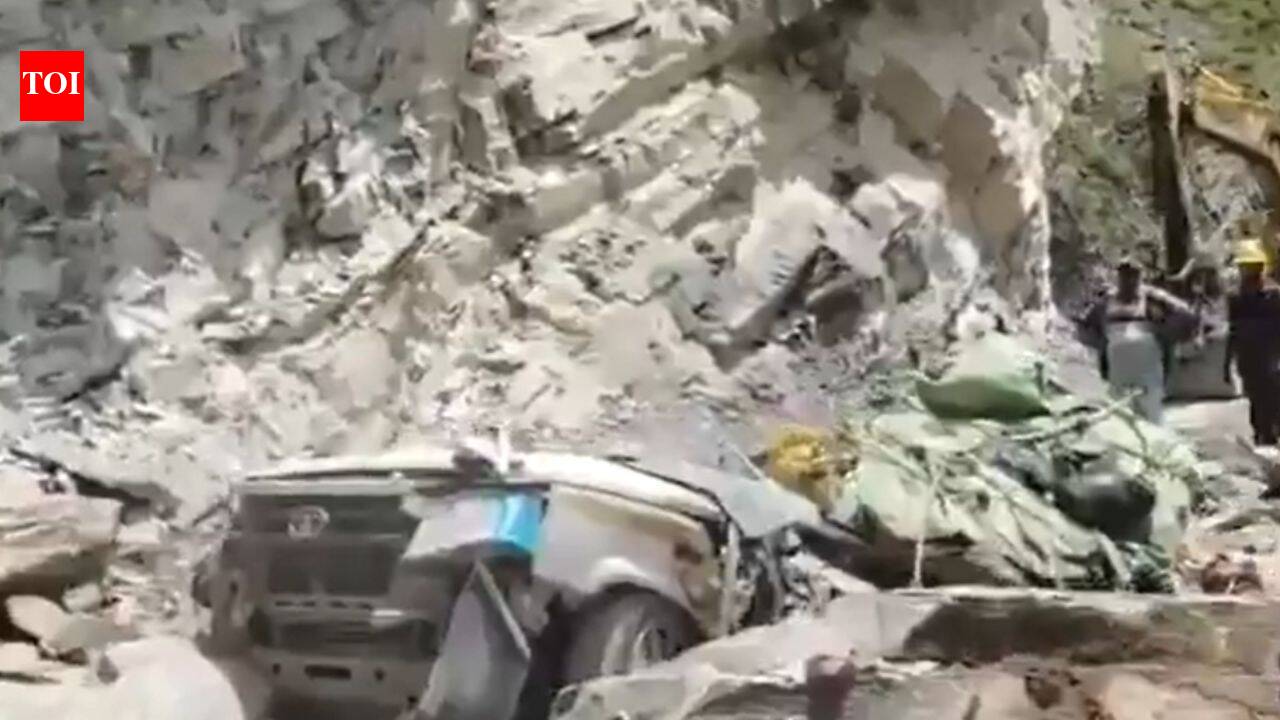
A tragic landslide in Himachal Pradesh's Lahaul-Spiti district claimed the lives of 13 people after boulders crushed their taxi. The vehicle, carrying 15 passengers, caught fire following the impact, resulting in an immediate rescue operation.
Tragedy in Lahaul-Spiti: Landslide Claims 13 Lives
A devastating incident occurred on Friday in the Lahaul-Spiti district of Himachal Pradesh, where a moving taxi was struck by massive boulders falling from a hillside. The accident, which took place near the Kuddu Nala on the Udaipur-Killad road, resulted in the loss of 13 lives. The vehicle, a Tata Sumo, was carrying 15 passengers at the time of the impact, leading to a catastrophic scene that left the community and local authorities in shock.
The Sequence of Events
Preliminary reports indicate that the passengers had been stranded overnight at Tindi due to prior road closures caused by earlier landslides. The route, known as the Sansari–Killar–Tandi (SKTT) road, had only recently been reopened to traffic before the fresh slide occurred. As the vehicle attempted to navigate the stretch, a large section of the hillside collapsed, pinning the vehicle beneath the debris. The force of the impact was so severe that it crushed the vehicle, subsequently causing the rear section to erupt in flames.
Victims and Rescue Efforts
Local administration, police, and Army personnel were promptly dispatched to the site to conduct rescue operations. MLA Anuradha Rana confirmed the tragic loss, noting that the victims included residents from both Pangi in the Chamba district and the local Lahaul-Spiti region. Among the deceased were a woman and her six-month-old infant, highlighting the immense human toll of this natural disaster. While 13 individuals perished, two passengers were reported to have escaped the wreckage.
Environmental and Infrastructural Context
The Lahaul-Spiti region, known for its rugged and fragile terrain, is highly susceptible to landslides, particularly during periods of intense weather. The reliance on mountain roads like the SKTT route poses perpetual risks to commuters, especially when geological instability is exacerbated by heavy rainfall or previous seismic activity. The fact that the road had been closed previously highlights the volatile nature of the landscape, where even reopened routes remain high-risk zones.
Broader Implications for Mountain Travel
This tragedy underscores the critical need for enhanced geohazard monitoring and stricter traffic management in Himalayan districts. The incident raises questions regarding the safety protocols for overloaded public transport vehicles in mountainous regions and the necessity for real-time monitoring of unstable slopes. As Himachal Pradesh continues to grapple with the challenges of climate change and extreme weather events, the vulnerability of its infrastructure remains a primary concern for regional planning and disaster management authorities.
Conclusion
The loss of 13 lives in this sudden, violent accident serves as a somber reminder of the dangers inherent in Himalayan travel. As investigations continue, the focus remains on supporting the affected families and evaluating the structural integrity of vital transport corridors. Future infrastructure projects in the region will likely need to incorporate more robust slope stabilization techniques to mitigate the risk of such sudden geological failures in the future.
Multiple Citing Sources