“To satisfy their greed, they brought disrepute to nation”: Delhi court denies bail to key accused
Source Entity
Nirbhay Thakur
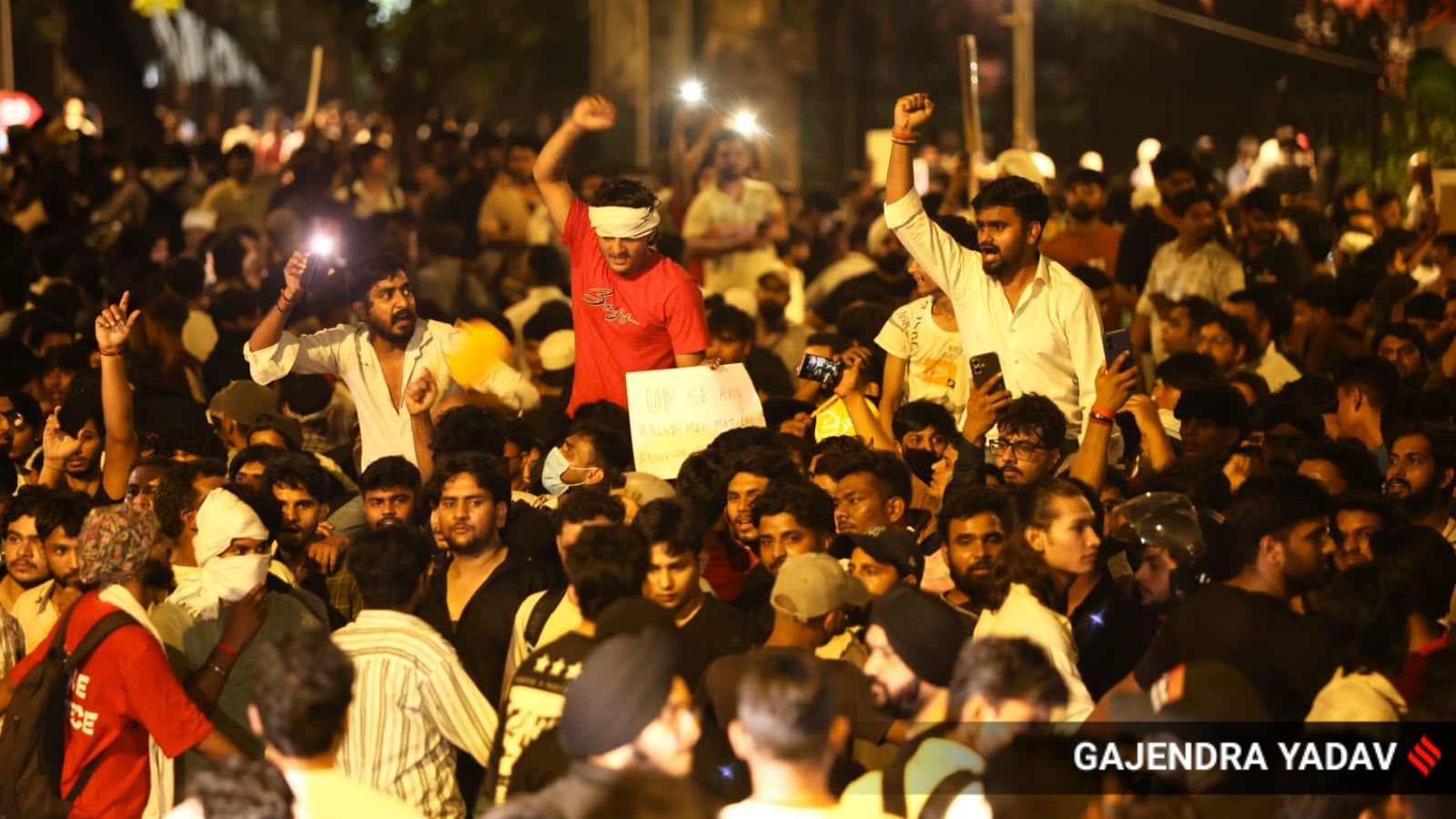
A Delhi court has denied bail to Dr. Manoj Shirure regarding the 2026 NEET-UG paper leak, citing severe national disrepute. Meanwhile, the CBI has cleared Sanjeev Mukhiya of direct involvement in the 2024 NEET-UG paper theft due to lack of evidence.
The Integrity Crisis: NEET Examination Scandals
The recent judicial proceedings in Delhi regarding the 2026 NEET-UG paper leak underscore the profound crisis currently facing India's competitive examination ecosystem. Special Judge Ajay Gupta’s decision to deny bail to paediatrician Manoj Shirure serves as a stark reminder of the judiciary's stance on systemic corruption. The court’s assertion that the accused prioritized personal greed over the integrity of a national process highlights the severity of the situation, which has impacted millions of students both domestically and internationally.
The Impact of Systemic Sabotage
When examinations meant to serve as the gateway for medical education are compromised, the collateral damage extends beyond the students. The court noted that such illegal acts have brought "disrepute to the Nation," reflecting the erosion of public trust in administrative frameworks. By sabotaging an exam intended to be conducted fairly and flawlessly, the accused have not only manipulated academic outcomes but have also undermined the credibility of the entire medical entrance infrastructure.
Judicial Scrutiny and Professional Accountability
It is particularly notable that the accused, Dr. Manoj Shirure, is a professional in the medical field. His alleged involvement raises difficult questions about the ethical standards governing those who should be the architects of a meritocratic system. The court's refusal to grant bail highlights that the judiciary views these offenses not merely as procedural violations, but as significant moral failings that warrant stringent legal consequences to serve as a deterrent.
CBI Investigations: The Case of Sanjeev Mukhiya
While the 2026 case moves through the courts, the legacy of the 2024 NEET-UG paper leak continues to unfold. The Central Bureau of Investigation (CBI) recently provided a critical update regarding Sanjeev Kumar, alias Sanjeev Mukhiya. Despite his high-profile arrest in April 2025 following an extensive 11-month manhunt, the agency has issued a clean chit regarding his specific link to the theft or distribution of the 2024 paper. This development highlights the complexity of investigating large-scale examination scams.
Challenges in Investigative Accuracy
The CBI's decision to clear Mukhiya of specific charges, despite his history of involvement in at least four other examination scams, illustrates the rigorous evidentiary threshold required for prosecution. The 2024 investigation, which began with Patna police detecting irregularities on May 5, 2024, and was subsequently transferred to the CBI on June 23, 2024, demonstrates how difficult it is to trace the flow of leaked materials once they enter the underground market.
Future Trends in Exam Security
Looking forward, these dual events suggest a shifting landscape for national testing agencies. The combination of judicial pressure on accused individuals and the high burden of proof required for central investigations indicates that the state is attempting to balance swift justice with legal precision. Moving forward, the focus will likely remain on systemic reform to prevent the "greed" identified by the court from exploiting the vulnerabilities in the examination process, ensuring that future NEET cycles are protected from similar instances of national disrepute.
Multiple Citing Sources