Supreme Court bars recording, sharing of court proceedings without permission
Source Entity
The Indian Express
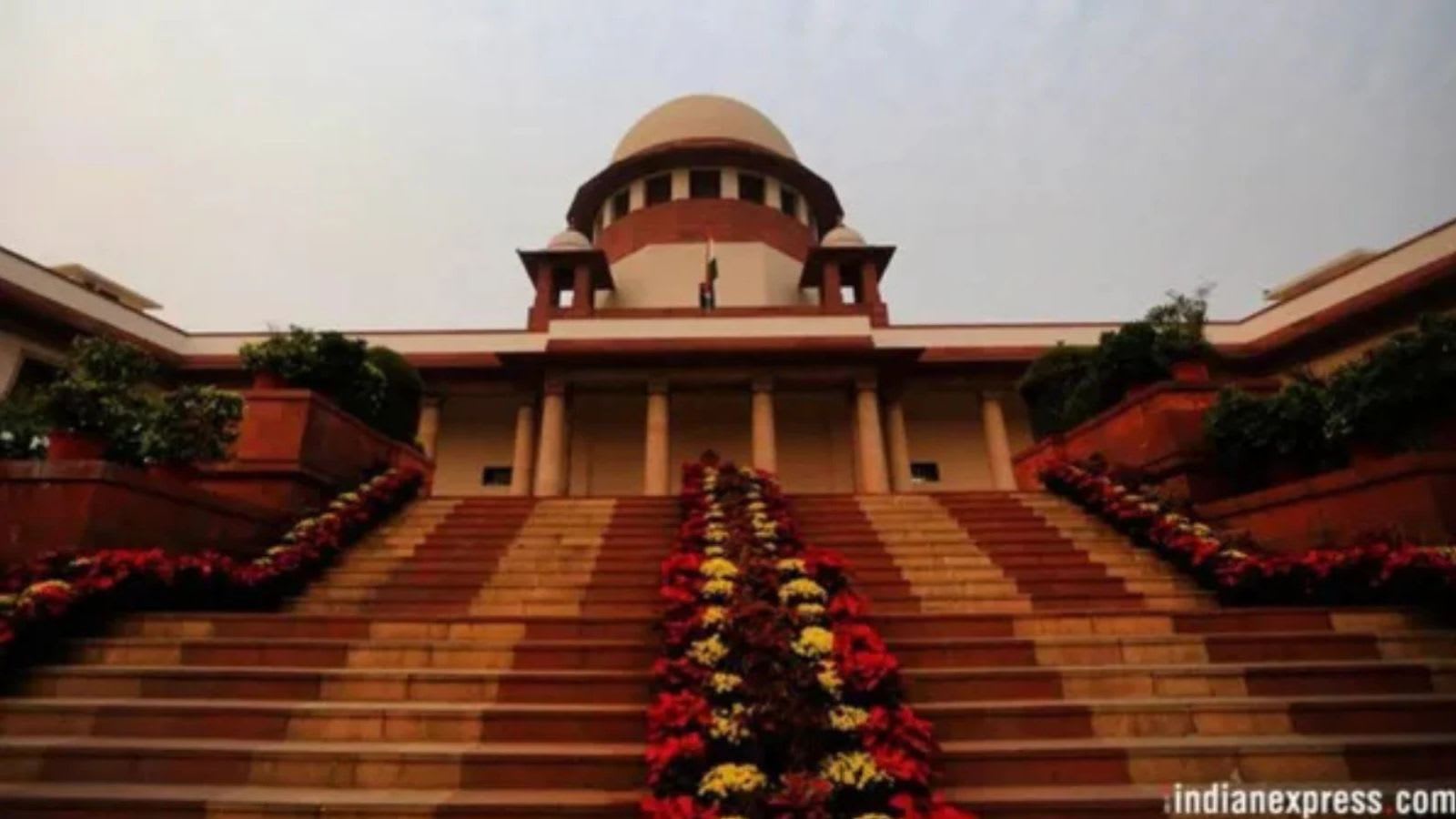
The Supreme Court of India has issued an interim order prohibiting the unauthorized recording and distribution of courtroom proceedings on social media. This directive aims to curb the misuse of live-streamed content while explicitly protecting the rights of legitimate news reporting.
Safeguarding Judicial Integrity in the Digital Age
In a significant move to preserve the sanctity of the judicial process, the Supreme Court of India, led by Chief Justice Surya Kant, has implemented an interim order restricting the unauthorized recording, modification, and dissemination of court proceedings. The bench, which included Justices Joymalya Bagchi and V. Mohana, issued this mandate following concerns raised by petitioner representatives, such as senior advocate Vikas Singh, regarding the rampant misuse of courtroom footage on social media platforms.
Curbing Digital Misinformation and Manipulation
The court’s decision addresses the growing threat of out-of-context clips, manipulated audio-visual content, and sensationalized edits that often circulate on digital platforms. By requiring prior permission from the Secretary General of the Supreme Court or the Registrar Generals of High Courts, the judiciary aims to ensure that the dissemination of its proceedings is not exploited for malicious purposes, misinformation, or unauthorized monetization that could undermine public trust in the legal system.
Balancing Transparency with Regulation
While this directive introduces a strict regulatory framework, the court has explicitly clarified that it does not intend to hinder legitimate news reporting. This distinction is vital; it preserves the public's right to be informed while preventing the unrestricted 'repurposing' of judicial events. The measure serves as a necessary guardrail, ensuring that the transparency afforded by live-streaming remains an instrument of justice rather than a tool for inflammatory social media discourse.
Broader Implications for Legal Proceedings
The requirement to seek approval for extracting or modifying content represents a major shift in how digital media engages with the judiciary. This move will likely force digital creators and social media influencers to adhere to stricter ethical standards when sharing legal content. Furthermore, it sets a precedent for how high courts across India will manage their digital footprints, moving toward a more controlled environment where the dignity of the court is prioritized over viral engagement.
Future Trends and Regulatory Outlook
As the Supreme Court seeks responses from the Centre regarding this plea, we can expect a more robust policy framework to emerge concerning digital courtroom etiquette. This interim order is likely the precursor to comprehensive guidelines that will define the intersection of open-court justice and modern digital media. In the coming years, the judiciary will likely leverage this precedent to hold digital platforms accountable for hosting unauthorized, edited, or defamatory content derived from official court broadcasts.
Conclusion
The Supreme Court’s intervention is a calculated effort to mitigate the risks associated with the digital age. By asserting control over the distribution of judicial proceedings, the Court is protecting the integrity of legal discourse. While this restricts the speed at which casual social media commentary can proliferate, it reinforces the necessity of accuracy and decorum in the reporting of judicial affairs.