A strategist draws a 1980s parallel to argue bipartisanship could power a ‘bull stampede’
Source Entity
Steve Goldstein
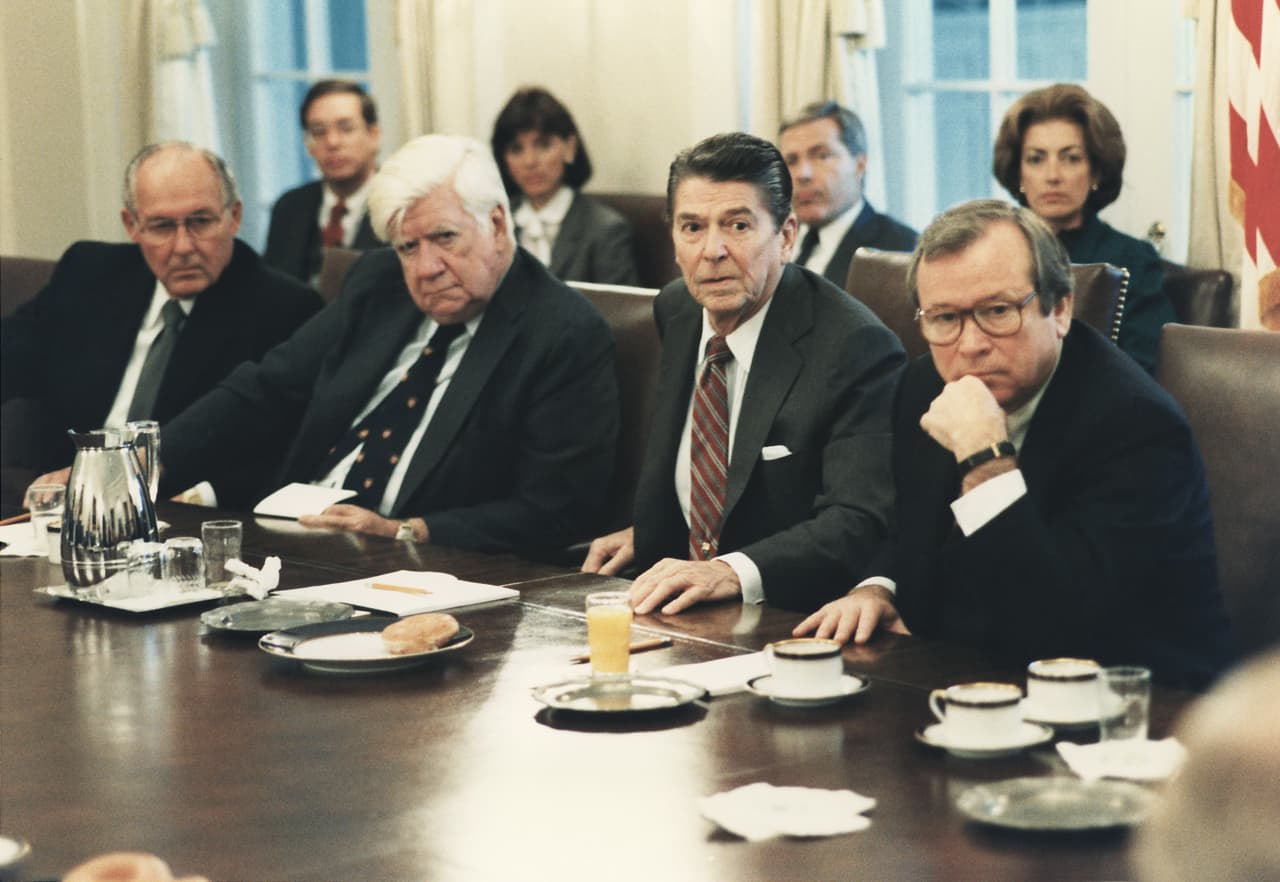
Market analysts are drawing parallels between the 1980s economic environment and current political dynamics. A combination of bipartisan governance and central bank policy is being cited as a potential catalyst for a new stock market rally.
The 1980s Blueprint: Lessons for Modern Market Growth
Recent market analysis has turned toward historical precedent, specifically the economic landscape of the 1980s, to forecast potential future stock market trajectories. The core thesis suggests that a unique alignment of political and monetary forces—specifically a Republican executive, a Democratic legislative leader, and a hawkish Federal Reserve—created the necessary conditions for a historic bull market. By examining this era, observers are attempting to determine if similar bipartisan cooperation could trigger a ‘bull stampede’ in today’s volatile economic climate.
The Anatomy of the 1980s Rally
The 1980s served as a transformative period for American capital markets. During this decade, the interplay between the White House and the Speaker of the House facilitated legislative compromises that provided the fiscal stability investors crave. When paired with a Federal Reserve chairman committed to curbing inflation, the result was a environment where capital could be allocated with greater certainty. This historical synergy is now being presented as a potential roadmap for modern policymakers seeking to reignite investor confidence.
Bipartisanship as an Economic Catalyst
At the heart of this argument is the belief that ideological gridlock is the primary enemy of market growth. In the 1980s, the necessity of working across the aisle forced both parties to prioritize economic fundamentals over partisan rhetoric. If modern political actors can emulate this model, the market may perceive the resulting policy stability as a signal to increase risk appetite. The theory posits that when legislative friction is minimized, the market can focus exclusively on corporate earnings and macroeconomic health, driving asset prices higher.
The Role of the Federal Reserve
Beyond fiscal policy, the role of the Federal Reserve remains the most critical variable in this equation. The 1980s success story was predicated on a central bank that took aggressive, often unpopular, actions to anchor inflation expectations. Today’s market participants are looking for a similar level of resolve from current monetary authorities. The alignment of a disciplined central bank with a functional, bipartisan legislative branch creates a powerful narrative that suggests the conditions for sustained growth are not merely accidental, but structural.
Future Trends and Market Implications
If the current market environment continues to mirror the 1980s, we may see a pivot toward sectors that benefit from long-term policy predictability. Investors are increasingly evaluating the potential for a 'bull stampede' based on the assumption that legislative cooperation will lower the risk premium associated with American equities. If historical patterns hold, the market will likely reward those who identify the intersection of fiscal pragmatism and monetary stability early, potentially setting the stage for a period of extended capital appreciation.
Verification Required?