Helicopters, influencers and nail art: The money trail of 2026 assembly elections
Source Entity
ARGHYA PRASUN ROYCHOWDHURY
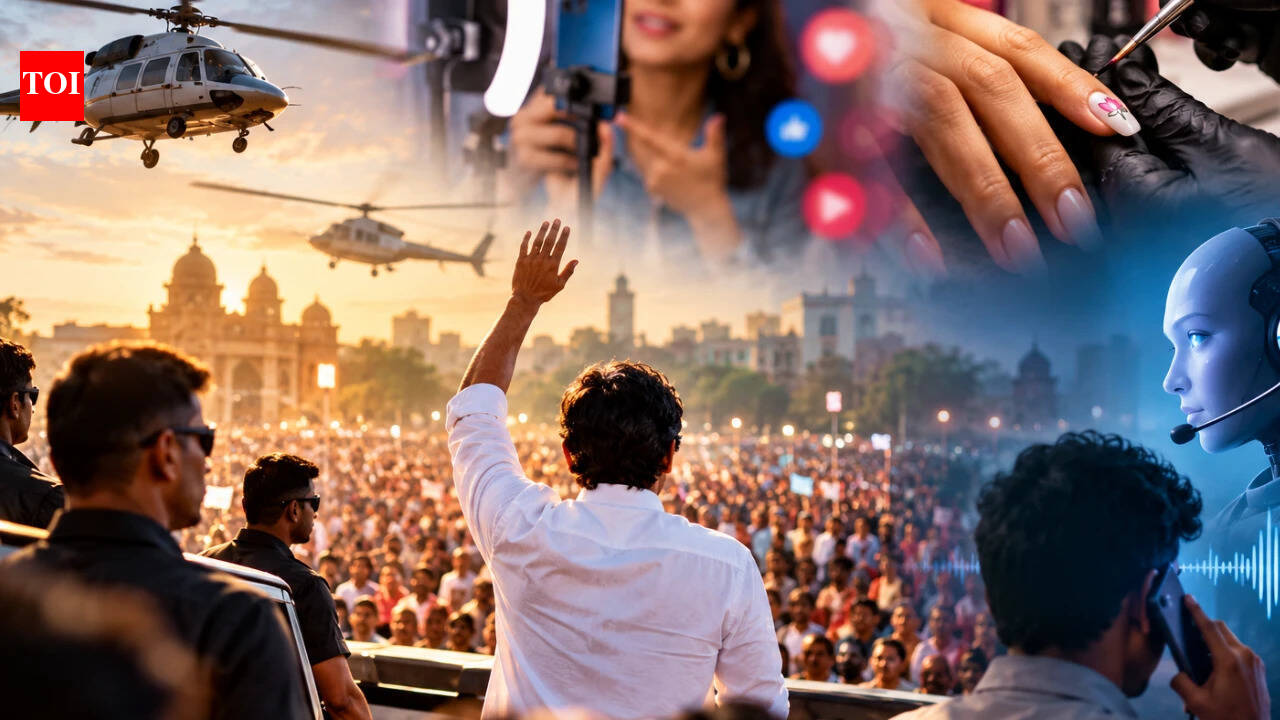
The BJP and Congress have disclosed their 2026 assembly election expenditures, with the BJP spending Rs 529.39 crore compared to Congress's Rs 248.55 crore. These figures highlight divergent campaign strategies and spending priorities across five key states, including West Bengal and Keralam.
Financial Disclosures in the 2026 Assembly Elections
The recent release of election expenditure reports by the Bharatiya Janata Party (BJP) and the Indian National Congress provides a rare, transparent glimpse into the fiscal mechanics of modern Indian democracy. With the BJP reporting a total expenditure of Rs 529.39 crore and the Congress reporting Rs 248.55 crore across five states, the data underscores a significant disparity in resource mobilization and campaign investment. These figures are not merely accounting entries; they represent the evolving landscape of political mobilization in the 2026 election cycle.
The Mechanics of Modern Campaigning
Modern electioneering has transcended traditional rallies, moving into a complex ecosystem that includes high-cost logistics like helicopter charters and sophisticated digital outreach. The reference to 'influencers and nail art' in the context of these expenditures points to a shift toward hyper-targeted, lifestyle-oriented political marketing. By integrating cultural markers and social media personalities, parties are attempting to capture the attention of younger demographics, moving away from purely ideological messaging to personalized, aestheticized political branding.
Strategic Divergence: West Bengal and Keralam
The report highlights that the spending patterns were particularly distinct in West Bengal and Keralam. These states represent unique political battlegrounds where both parties have historically faced significant challenges. The heavy investment in these regions suggests that both the BJP and Congress are prioritizing these states as critical nodes for their national expansion or consolidation strategies. The variation in spending levels indicates that each party is deploying resources to address specific regional voter behaviors and competitive pressures.
The Cost of Political Competition
The contrast between the BJP’s Rs 529.39 crore and the Congress’s Rs 248.55 crore raises fundamental questions about the relationship between capital and electoral outcomes. As political campaigns become increasingly expensive, the reliance on large-scale funding mechanisms becomes more pronounced. This trend suggests that the barrier to entry for political competition is rising, potentially altering the democratic landscape by favoring entities with robust fundraising infrastructure.
Future Trends and Electoral Efficacy
Looking ahead, the debate persists: does higher spending guarantee electoral victory? While the BJP’s significantly larger budget reflects a strategy of total saturation, the Congress's lower expenditure suggests a more focused or resource-constrained approach. As we move further into the 2026 election cycle, analysts will be watching to see if these financial inputs translate into seat share. The outcome of these elections will likely set the precedent for how parties allocate their war chests in future national and assembly contests, influencing the future of political financing in India.