A.P. Congress chief accuses CEC of bias, seeks probe into alleged voter deletions
Source Entity
India Latest News: Top National Headlines Today & Breaking News | The Hindu
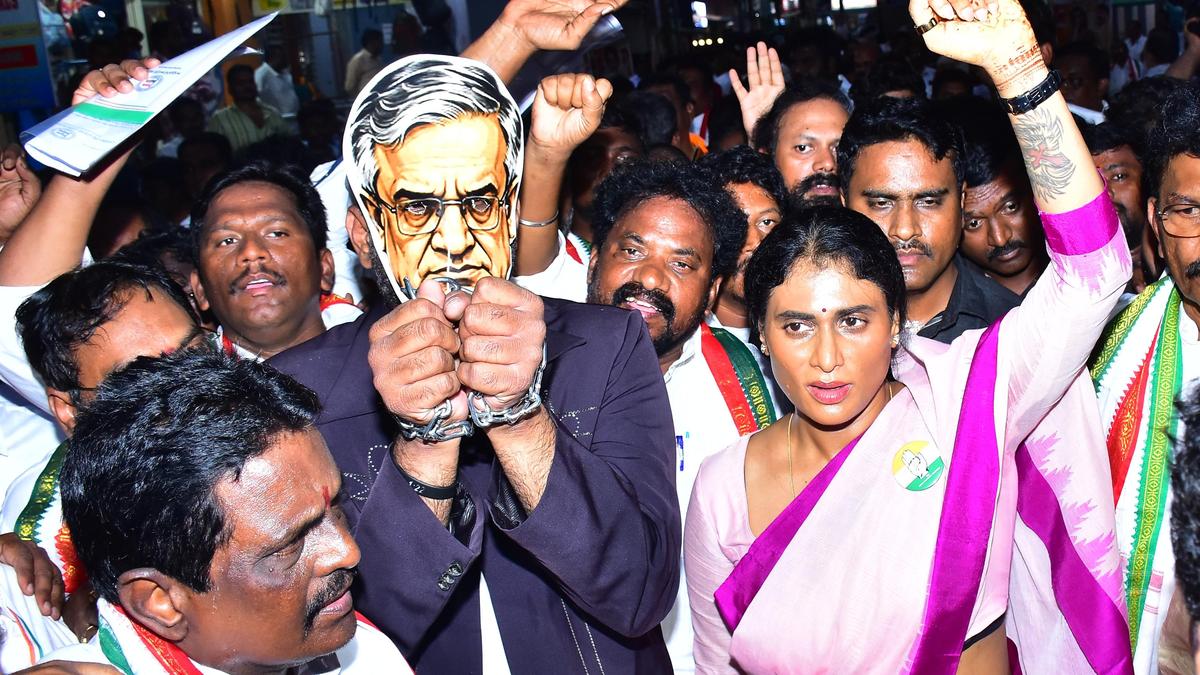
The Cockroach Janta Party, led by Abhijeet Dipke, has launched a nationwide protest demanding the resignation of CEC Gyanesh Kumar over alleged electoral roll irregularities. The movement, starting October 2 in Mumbai, calls for freezing the 2025 electoral rolls and reforming the appointment process for the Election Commission.
The Rise of the CJP: Challenging the Election Commission
The Cockroach Janta Party (CJP), under the leadership of founder Abhijeet Dipke, has initiated a high-stakes political agitation targeting the integrity of India’s electoral process. The movement, which officially commenced on October 2—coinciding with Gandhi Jayanti—seeks to directly challenge the authority of Chief Election Commissioner (CEC) Gyanesh Kumar. The core of this protest stems from an investigative report highlighting internal discord within the Election Commission of India regarding the Special Intensive Revision (SIR) of voter rolls, which the CJP claims has resulted in the mass deletion of legitimate voters.
Core Demands and Structural Grievances
The CJP’s demands are both specific and systemic. Primarily, they are calling for the immediate resignation of CEC Gyanesh Kumar, alleging that his tenure has been marked by partiality and procedural irregularities. Beyond the demand for resignation, the party has called for the freezing of the 2025 electoral rolls and a re-evaluation of how elections are conducted based on these records. Furthermore, Dipke has advocated for a fundamental overhaul of the Election Commissioner appointment process, insisting on a transparent, independent mechanism that includes meaningful participation from civil society, rather than the current executive-led appointment model.
The 'Jail Bharo Andolan' Strategy
By adopting the 'Jail Bharo Andolan' (Fill the Jails) strategy, the CJP is utilizing a historic form of civil disobedience deeply rooted in India’s democratic struggle. Starting from Mumbai’s Shivaji Park, the movement is designed to be a nationwide campaign. Dipke has announced that the protests will expand from Mumbai to major urban centers including Goa, Bengaluru, and Kolkata, eventually culminating in a final, sustained sit-in at Jantar Mantar in New Delhi. This geographical expansion indicates an attempt to build a cross-regional coalition of citizens who believe their voting rights have been compromised.
Political Rhetoric and Allegations
Abhijeet Dipke’s rhetoric has been uncompromising, labeling the current CEC a "traitor" and accusing the Commission of acting as an extension of the executive branch under Prime Minister Narendra Modi and Home Minister Amit Shah. Dipke has gone as far as to suggest that if the CEC does not step down, the protests will escalate to demand the resignation of the Prime Minister himself. These accusations are anchored in the CJP's claims regarding the deletion of millions of voters, which they assert has systematically skewed electoral outcomes in favor of the incumbent government.
Broader Implications for Indian Democracy
The CJP’s agitation highlights a growing anxiety regarding the perceived neutrality of constitutional bodies in India. When a political organization challenges the legitimacy of the Election Commission, it signals a deeper crisis of confidence in the institutions meant to safeguard the democratic process. The demand for civil society oversight in appointing constitutional heads reflects a wider debate in Indian political discourse about the balance of power between the executive and independent regulatory bodies.
Future Trends and Outlook
As the CJP plans to move its protests toward the national capital, the success of this movement will depend on its ability to sustain public interest and navigate the legal challenges that often accompany such intense political mobilizations. Whether this movement gains significant traction beyond the initial protests or remains a localized phenomenon, it has successfully brought the issue of electoral roll management and Commission transparency back into the public eye. The coming weeks, as the protests move toward Jantar Mantar, will be critical in determining how the administration responds to these unprecedented calls for accountability.
Multiple Citing Sources
Verification Required?