Angry Trump leaks GOP senator Tom Cotton's phone number over Sunshine Protection Act: What is it?
Source Entity
Latest News: Todays Latest News Headlines from India & World | Hindustan Times | Hindustan Times
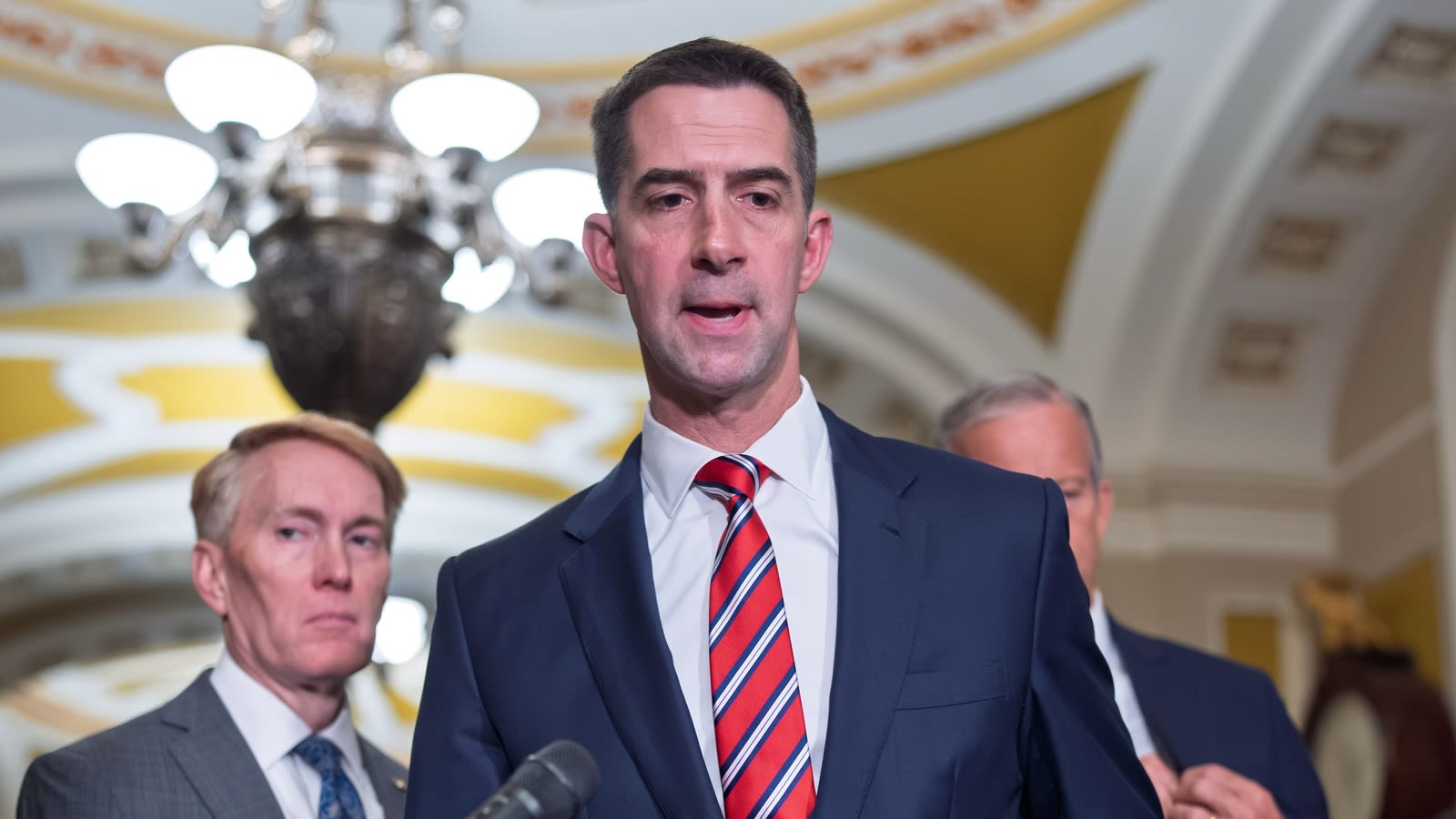
Donald Trump publicly shared Senator Tom Cotton's phone number on Truth Social, accusing him of obstructing the Sunshine Protection Act. The incident highlights internal GOP friction regarding the proposed shift to permanent daylight saving time.
The Sunshine Protection Act and Internal GOP Friction
The recent public confrontation between Donald Trump and Senator Tom Cotton (R-Ark.) regarding the Sunshine Protection Act marks a significant escalation in tensions within the Republican party. By disseminating Senator Cotton's private cellular telephone number on the Truth Social platform, the former president has utilized his digital influence to exert direct pressure on a high-ranking legislative official. This move underscores the ongoing struggle within the party to align on domestic policy initiatives that deviate from traditional legislative processes.
Understanding the Sunshine Protection Act
The Sunshine Protection Act represents a bipartisan legislative effort aimed at establishing permanent daylight saving time across the United States. Proponents of the bill argue that ending the biannual ritual of shifting clocks would provide economic benefits, improve public health outcomes, and increase consumer activity during evening hours. However, the legislation has faced procedural hurdles in the Senate, where a single member can effectively stall a bill's progression under certain rules, a mechanism Trump explicitly referenced in his critique of Cotton.
The Mechanics of Senate Obstruction
In the United States Senate, the ability of an individual senator to delay or block legislation is a hallmark of the chamber's procedural design. Donald Trump’s assertion that "it only takes one" senator to stop a bill highlights the frustration often felt by proponents of the Sunshine Protection Act when facing institutional gridlock. By calling out Senator Cotton specifically, the former president is signaling to his base that the legislative inertia regarding daylight saving time is a result of individual obstructionism rather than a broader failure of the legislative body.
Digital Pressure as a Political Tool
The act of sharing a legislator's personal phone number is a potent, albeit controversial, form of political mobilization. By encouraging the "Great People of Arkansas" to contact their senator, Trump is attempting to weaponize grassroots pressure to force a change in Cotton's legislative stance. This strategy reflects a shift in modern political discourse, where personal communication channels are increasingly used to bypass traditional lobbying or committee-based negotiation tactics.
Broader Implications for the GOP
This public disagreement highlights the ideological and strategic fissures that exist within the Republican party. While the Sunshine Protection Act is framed as a bipartisan priority by its supporters, the resistance from a prominent conservative like Tom Cotton demonstrates that there is no monolithic consensus on the issue. These internal debates over policy priorities, such as the regulation of time, suggest that the party is currently navigating complex tensions between legislative tradition and the populist demand for rapid, visible results.
Future Trends in Legislative Advocacy
Looking forward, the use of social media to target individual lawmakers likely points toward a future where legislative transparency and pressure campaigns are inextricably linked to digital platforms. As voters become more accustomed to direct access to their representatives, the line between constructive political discourse and targeted harassment will continue to be a subject of intense debate. The outcome of the Sunshine Protection Act will serve as a bellwether for whether such high-pressure tactics can effectively override procedural barriers in the Senate.
Verification Required?