Could El Niño mean there are no Atlantic hurricanes this year?
Source Entity
BBC News
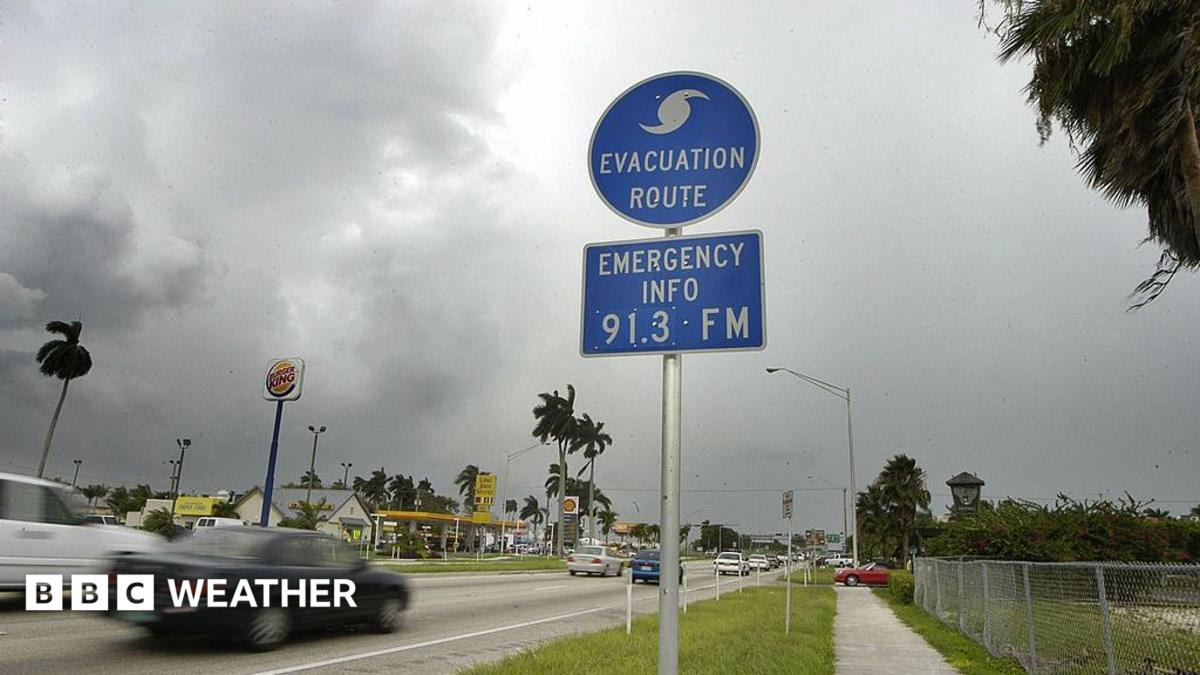
The 2026 Atlantic hurricane season has seen no hurricanes in September for the first time in three decades. This unusual lack of activity is largely attributed to a strong El Niño effect, potentially making this the only season in the satellite era without a hurricane.
The Unprecedented Quiet: Analyzing the 2026 Atlantic Hurricane Season
For the first time in over thirty years, the Atlantic basin has concluded the month of September—historically the peak period for tropical cyclogenesis—without a single hurricane formation. This meteorological anomaly has drawn significant attention from climate scientists and meteorologists alike, as September typically serves as the engine room for Atlantic storm development due to optimal sea surface temperatures and reduced wind shear.
The Role of El Niño in Atmospheric Suppression
The primary driver identified for this atmospheric stagnation is the presence of a strong El Niño event. El Niño, characterized by anomalous warming of equatorial Pacific waters, creates a distinct feedback loop that influences global weather patterns. Specifically, it enhances vertical wind shear across the Atlantic basin. This increased shear acts as a disruptive force, effectively tearing apart the structural development of nascent storms before they can reach hurricane-strength status.
Historical Significance and the Satellite Era
This absence of activity is not merely a statistical curiosity; it represents a potential milestone in the satellite era of weather observation. If the current trend persists through the remainder of the season, 2026 could become the only year on record without a single hurricane. This highlights the profound impact that large-scale climate oscillations like El Niño can have on regional weather, often overriding the typical seasonal expectations established over the past several decades.
Evaluating Pre-Season Predictions
The National Hurricane Center (NHC) had anticipated a quieter-than-normal season back in May, specifically accounting for the expected strength of El Niño. Their initial forecast projected between eight to 14 named storms, with three to six reaching hurricane status. The fact that actual activity has fallen so far below even these conservative estimates suggests that the environmental inhibition caused by the current climate patterns is significantly more potent than historical models had initially projected.
Broader Implications and Future Trends
As we look toward the final two months of the defined hurricane season, the implications of this "hurricane-free" September are vast. While the immediate absence of destructive storms is a relief for coastal populations, it provides a unique dataset for researchers studying the limits of tropical cyclone formation under specific climate forcings. Understanding how El Niño effectively shuts down the Atlantic "conveyor belt" of storms is essential for improving long-range forecasting models in an era of shifting global climate dynamics.
Conclusion
In summary, the 2026 Atlantic hurricane season serves as a stark reminder of the influence of Pacific-based climate drivers on Atlantic weather. While the season is not yet officially closed, the lack of activity in September is a historical anomaly. Moving forward, the scientific community will continue to monitor these developments to refine how we predict the intersection of seasonal climate oscillations and tropical storm development.