In 1998, 12,000 tonnes of orange peels and pulp covered ruined Costa Rican cattle pasture; 16 years on, tree diversity tripled, woody biomass up 176%
Source Entity
Latest News: Todays Latest News Headlines from India & World | Hindustan Times | Hindustan Times
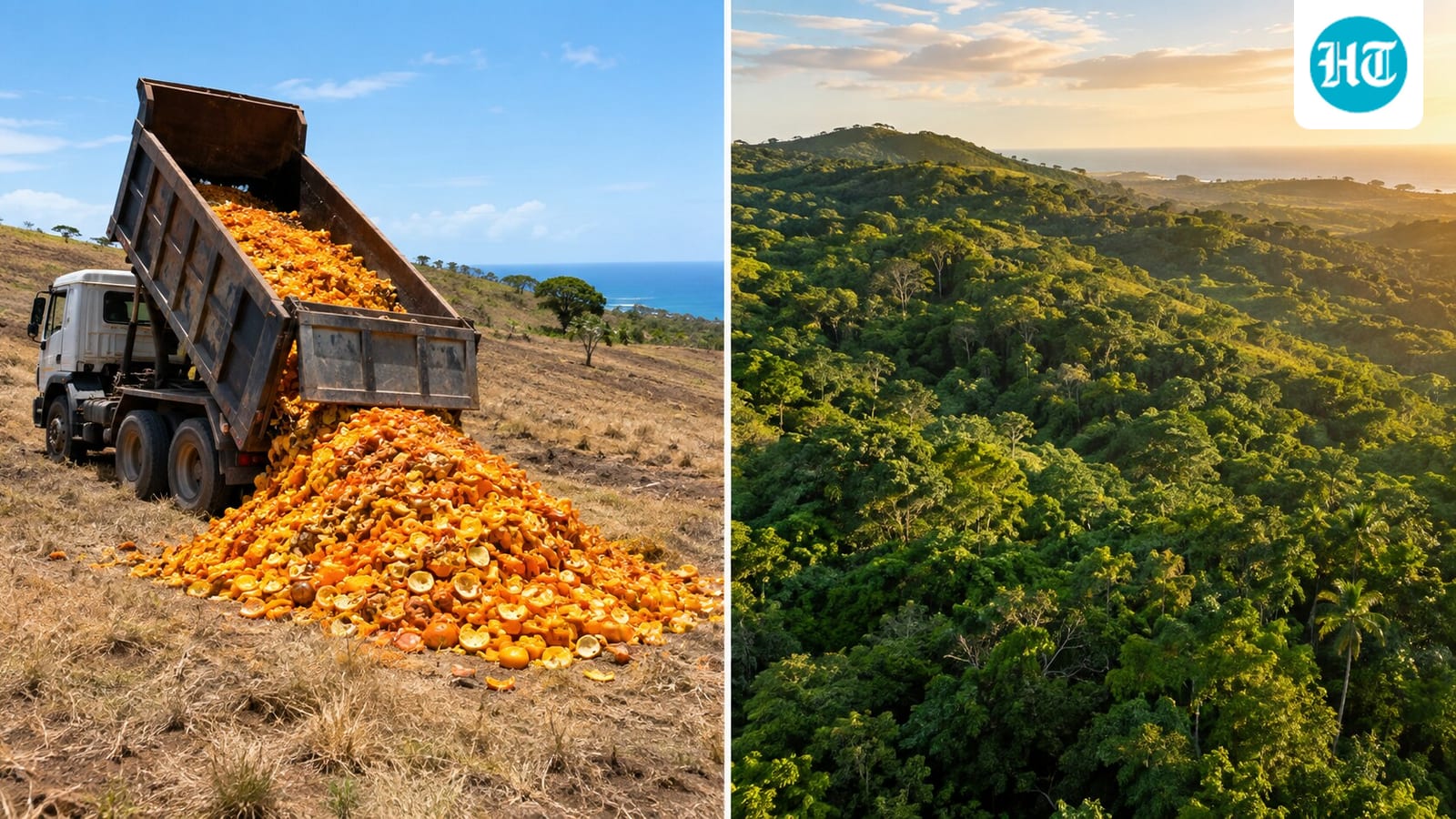
A 1998 initiative in Costa Rica saw orange peel waste used to restore degraded pasture land. Sixteen years later, the site showed significantly increased tree diversity and woody biomass compared to untreated areas.
The Orange Peel Restoration Project: A Case Study in Ecological Recovery
In 1998, a unique environmental experiment began within the Área de Conservación Guanacaste in Costa Rica. Facing the challenge of disposing of massive quantities of organic waste, a local juice company, Del Oro, entered into a landmark agreement with park science advisers Daniel Janzen and Winnie Hallwachs. The proposal was simple: the company would donate forested land to the park in exchange for the right to dispose of its orange peels and pulp on a severely degraded pasture site spanning approximately three hectares.
Overcoming Historical Land Degradation
Before the intervention, the selected plot of land was in a dire ecological state. Years of intensive overgrazing and the widespread use of fire-based land management techniques had stripped the soil of its nutrients, leaving it hard, rocky, and inhospitable. Furthermore, the site was dominated by an invasive grass species known as jaragua. This grass not only outcompeted native vegetation but also fueled intense fires, creating a cycle of destruction that effectively prevented the natural succession of woody plants and forest regeneration.
The Mechanism of Transformation
By dumping thousands of tonnes of orange peels and pulp onto this barren landscape, the researchers essentially provided a massive influx of organic matter that acted as a restorative catalyst. While most see orange waste as mere trash, in this context, it functioned as a nutrient-dense mulch. The decomposition of this organic material likely improved soil structure, moisture retention, and fertility, providing the necessary foundation for native species to gain a foothold against the encroaching jaragua.
Quantifiable Ecological Success
When researchers returned to the site 16 years later in 2014, the results were striking. The treated area demonstrated a profound ecological resurgence, with tree diversity tripling compared to the baseline and adjacent untreated plots. Perhaps most impressive was the 176% increase in woody biomass. This data suggests that the application of organic waste can effectively bypass the standard barriers to forest succession in degraded tropical pastures.
Broader Implications for Ecological Restoration
This project serves as a compelling proof-of-concept for the potential of circular economy principles in environmental conservation. By repurposing industrial agricultural byproducts, conservationists can potentially accelerate the recovery of damaged ecosystems at a low cost. This approach challenges the traditional view of industrial waste and highlights how collaborative agreements between private industry and public conservation agencies can yield significant environmental dividends.
Future Trends in Land Management
Looking forward, the success of the Guanacaste project may influence future restoration strategies globally. As climate change and land degradation continue to threaten biodiversity, the use of organic amendments like citrus waste offers a scalable, nature-based solution. Future research will likely focus on determining which types of organic waste provide the most effective results across different soil types and climates, potentially turning agricultural waste streams into vital tools for global reforestation efforts.
Verification Required?